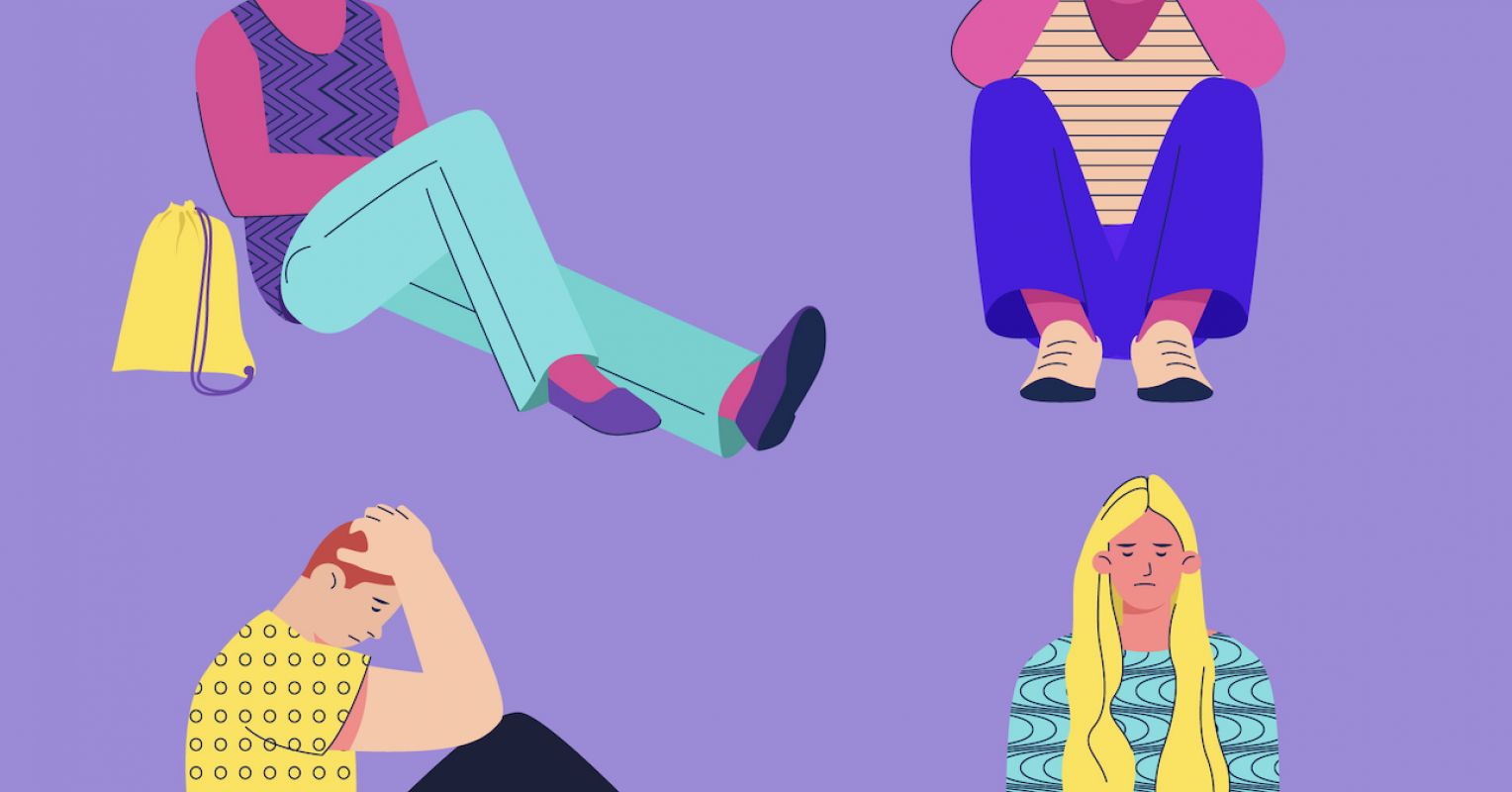
"Joel is 20 and living with his parents. He struggles in college, taking only one class while working part-time. He has been arguing with his parents and friends and recently broke up with his high school girlfriend, who attends university out of town. Joel is preoccupied with the state of the world and obsessively reads about climate disasters and wars."
"He struggles to sleep and spends hours scrolling through Instagram. He can relax only when using cannabis. His mother called a local mental health clinic and was told there was a three-month wait for counseling. The alarm has increasingly been sounded about a crisis in youth mental health, including a 2021 Surgeon General Advisory, and a position statement documenting a National State of Emergency in Children's Mental Health, citing increased prevalence of mental disorders, suicide, and related emergency department visits."
"The youth mental health crisis has been a focus of news articles, addressing topics including barriers to help-seeking and ways adults can support adolescents, gaps in the mental health system for youth, and the importance of funding youth mental health research. Here are highlighted the distinct challenges of young adults ages 18 to 25. The Transition to Adulthood Young adulthood is a critical developmental stage when people typically establish career trajectories,"
Rates of mental disorders, suicide, and emergency visits have increased among young adults aged 18 to 25, with trends predating and persisting after the COVID-19 pandemic. Social media use, climate concerns, and evolving views on mental health and help-seeking contribute to distress. Young adults face developmental challenges establishing careers, relationships, and independence while managing stressors. Access to care is limited, with long counseling wait times. Strategies to improve mental health include digital detoxes, engaging in climate action, and using digital mental health solutions. Support from adults and increased funding and system changes are needed to address gaps.
Read at Psychology Today
Unable to calculate read time
Collection
[
|
...
]