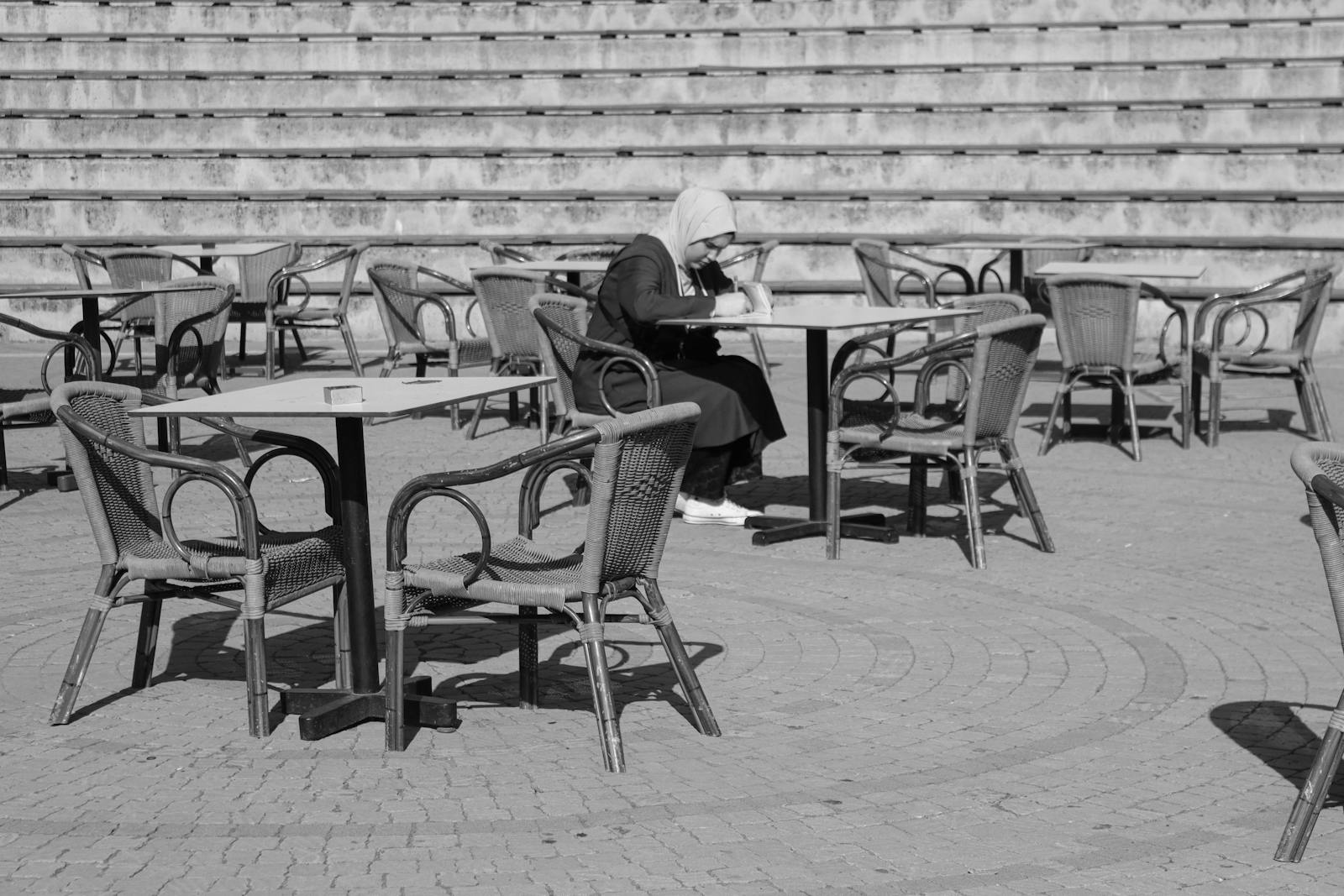
"What presents as the absence of preference is, more often than not, the presence of a very old and very efficient suppression system; one that reclassifies every want as a potential threat before it reaches conscious expression."
"Preference-erasure is not a personality trait. It is a strategy, and one might argue it is among the most sophisticated survival strategies a child can develop, because it requires the simultaneous monitoring of one's own desires and the emotional state of everyone in proximity."
"If a child liked something, it could be taken away as leverage. If they wanted something, they were being difficult. If they chose wrong, the fallout was disproportionate to the offence."
Preference-erasure is often misread as a sign of flexibility, but it is a complex survival strategy rooted in childhood experiences. Children learn to suppress their desires to avoid becoming targets for criticism or punishment. This behavior is not a personality trait but a coping mechanism developed in environments where expressing preferences leads to negative consequences. The implications of this suppression affect both the individual and those around them, as it creates a dynamic where preferences are ignored or unacknowledged.
#preference-erasure #childhood-trauma #emotional-suppression #survival-strategies #parenting-effects
Read at Silicon Canals
Unable to calculate read time
Collection
[
|
...
]