#subnautica-2
#subnautica-2
[ follow ]
#krafton #unknown-worlds #early-access #game-development #video-games #legal-dispute #lawsuit #survival-mode
fromGameSpot
1 day agoHow To Unlock The Bioreactor In Subnautica 2
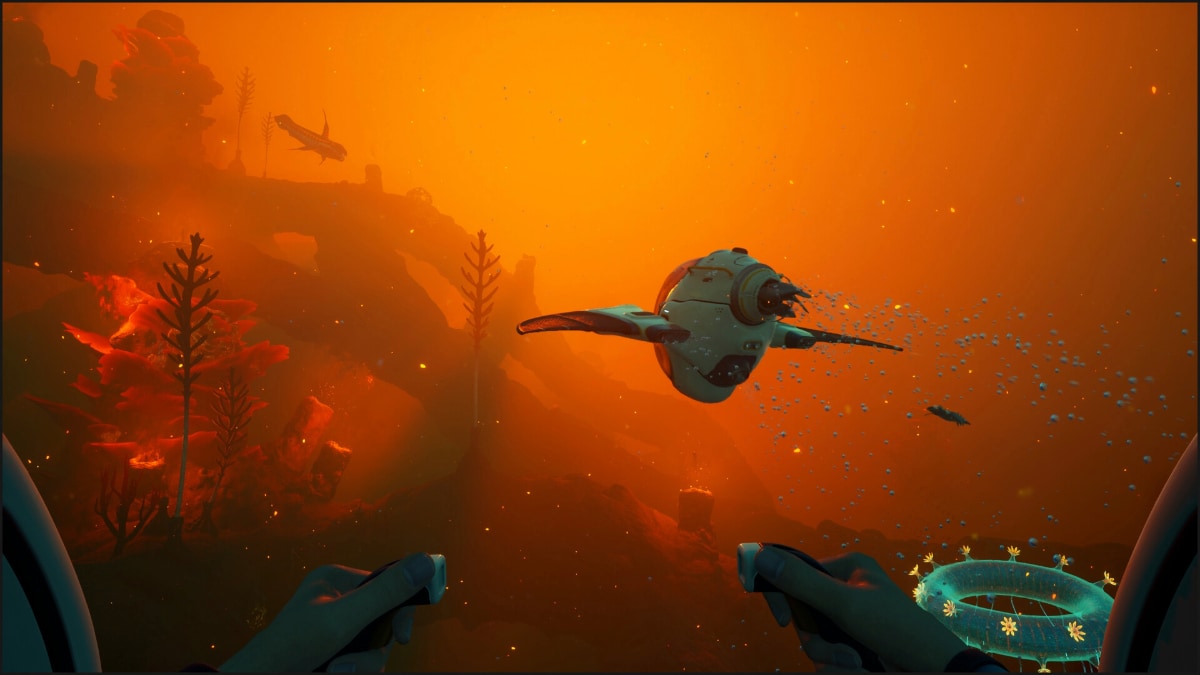
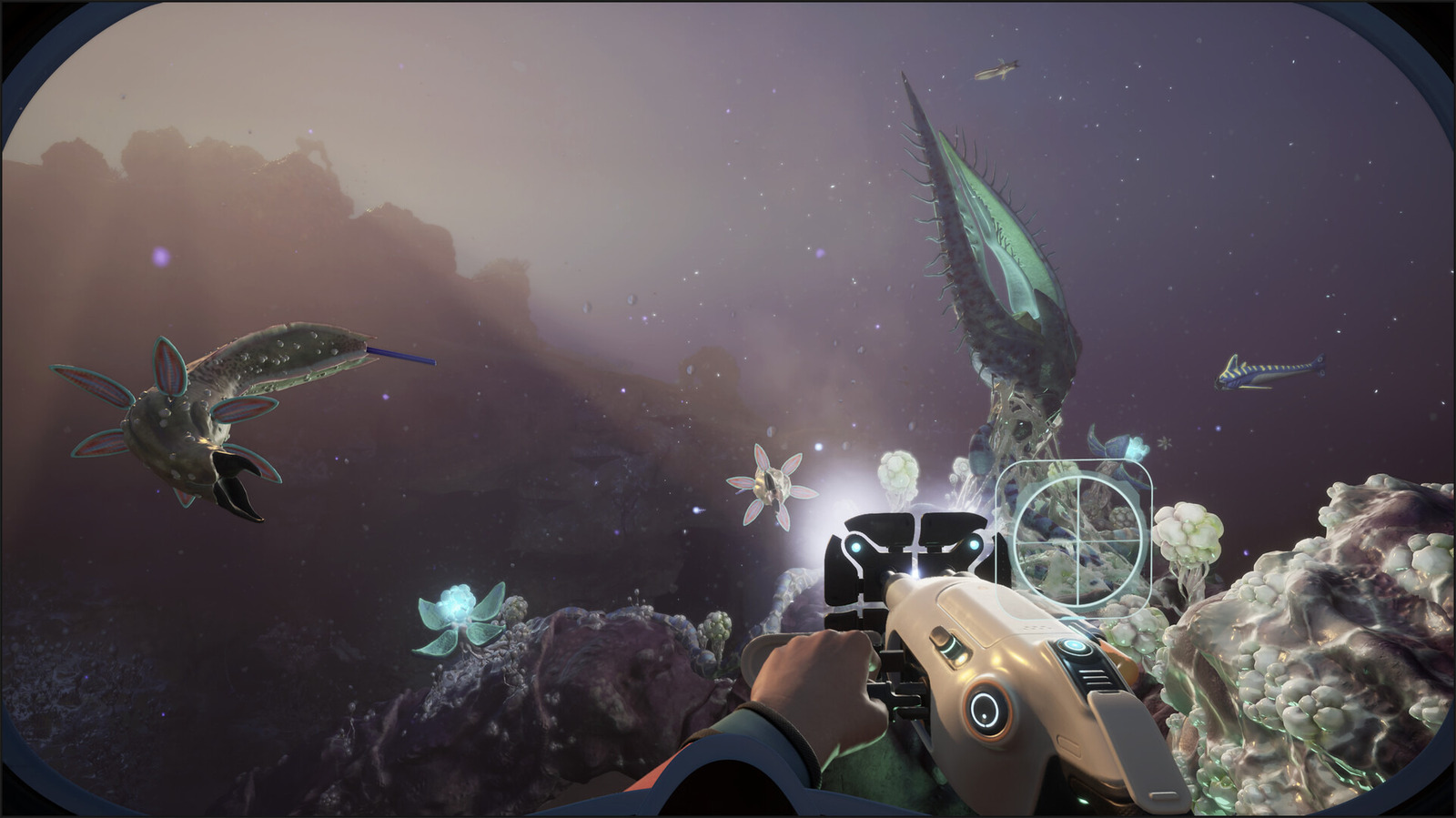
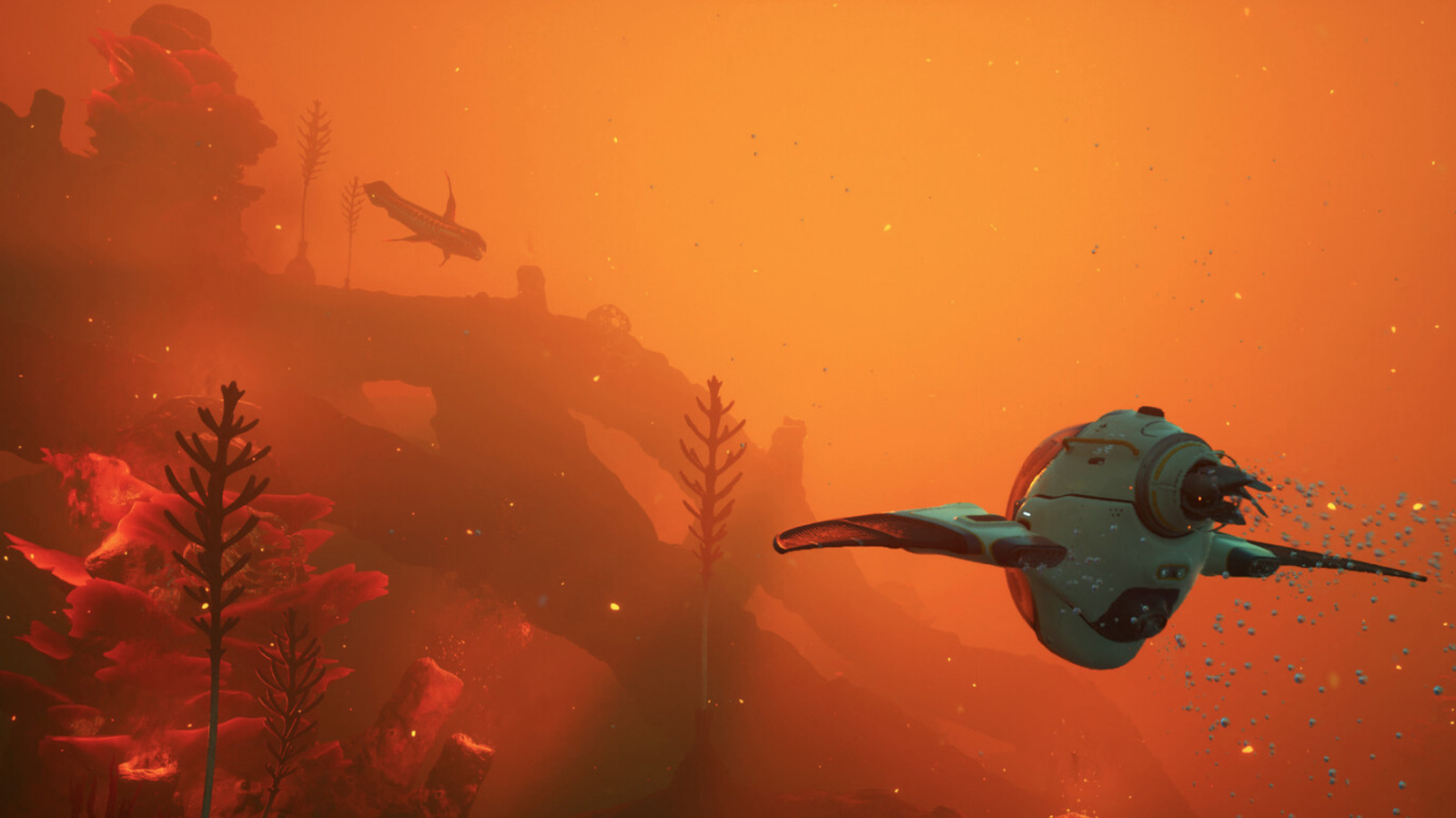
The Subnautica 2 Bioreactor can only be unlocked upon scanning three fragments. Several are scattered in the Shallows region, and we've listed a few that we've found in our playthrough. As usual, we encourage you to read our mini-walkthrough, since it gives you an idea as to where you ought to go next for the campaign.
Science


fromGameSpot
5 days agoHow To Build And Use The Dive Elevator In Subnautica 2
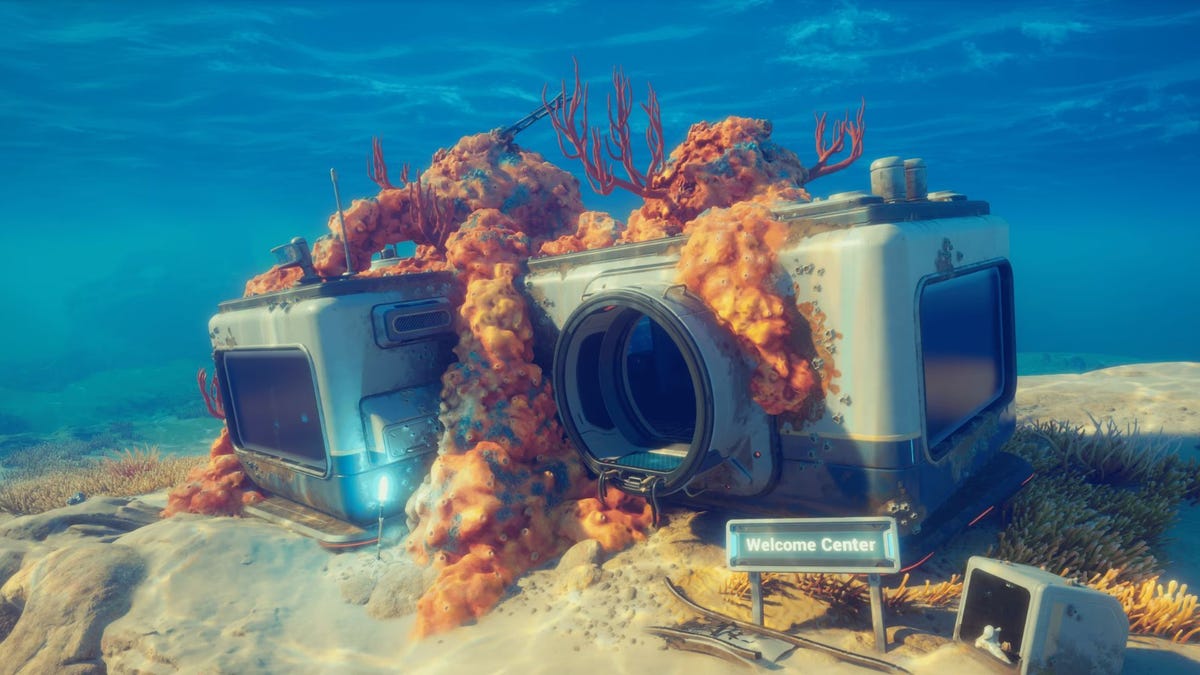
To unlock the Dive Elevator, you have to scan two of its blueprints, which are located relatively close to the starting lifepod. You can follow the directions below to scan both of the Dive Elevator blueprints: The first Dive Elevator blueprint is located in the wreck directly adjacent to the Welcome Center, which is found around 105 meters southwest of the lifepod. The Dive Elevator blueprint is submerged in rock near the cliff of the wreck. Next, you need to travel around 300 meters south/southeast of the lifepod to find a shipwreck 45 meters below the surface. In the shipwreck's salvage, you'll find the Dive Elevator blueprint right in the middle of the wreck, in some rocks.
Django

fromGameSpot
6 days agoSubnautica 2 Tips To Survive On Planet Proteus
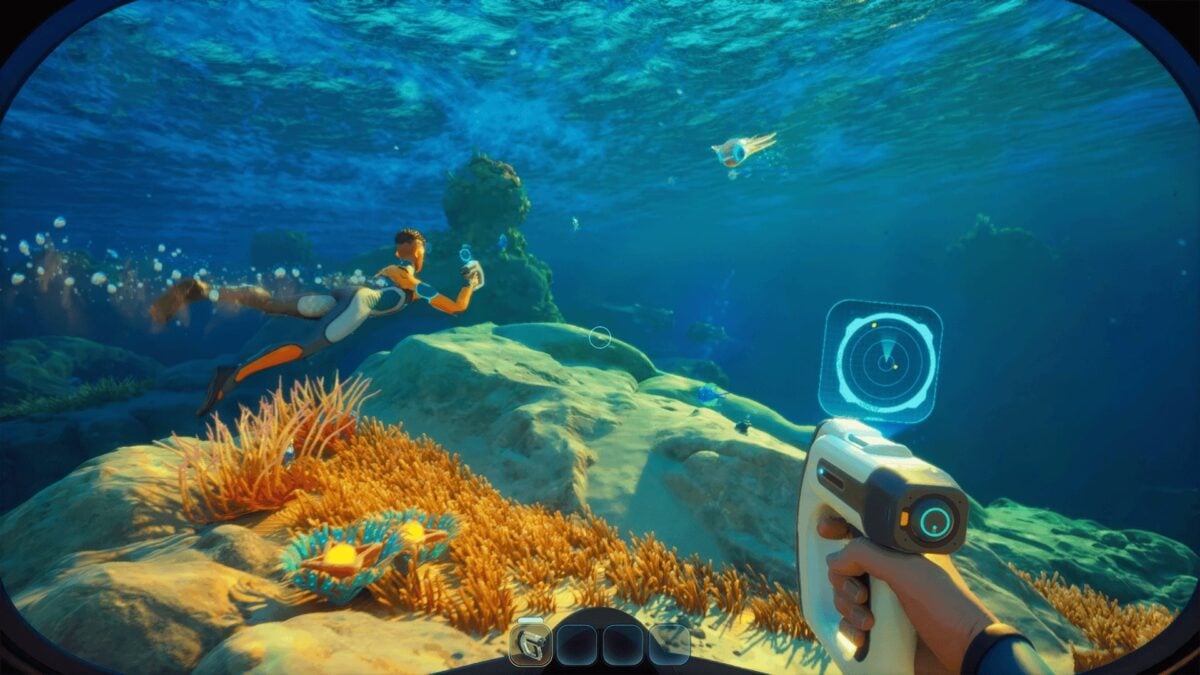
Right from the start of the game, you'll have access to your scanner, which allows you to learn more about a creature or object after you spend a few seconds examining it with the device. The general rule of thumb in Subnautica that you want to live by is to scan everything and anything. You want to have the most knowledge possible at your fingertips, and the only way to learn more about the world around you is to scan whatever kind of object or creature you come across.
Games
fromGameSpot
6 days agoI'm Deeply Upset Subnautica 2 Won't Let Me Mutate Into A Little Aquatic Freak
“I would say, even though [Subnautica 2] is one of the biggest games the studio has made, we're still a pretty small studio--when you look at AAA developers, they often have more designers than we have people on the entire team, for instance, we're pretty small,” Subnautica 2 game design lead Anthony Gallegos told me. “So we're not trying to focus on genetic adaptations that change the player's look very often.”
Video games


#legal-dispute

Games
fromEngadget
2 months agoJudge rules that Krafton must rehire fired Subnautica director
A Delaware judge ruled that Krafton must reinstate Ted Gill as CEO of Unknown Worlds Entertainment after the publisher violated contract terms by firing him and other co-founders over Subnautica 2 development.

Games
fromEngadget
2 months agoJudge rules that Krafton must rehire fired Subnautica director
A Delaware judge ruled that Krafton must reinstate Ted Gill as CEO of Unknown Worlds Entertainment after the publisher violated contract terms by firing him and other co-founders over Subnautica 2 development.



fromGameSpot
6 months agoSubnautica 2 Devs Claim There's No GenAI In Game After Publisher's "AI-First" Shift
"We're not using generative AI to develop Subnautica 2," Abramo wrote. "We have an 'AI system' in the game that is similar to ones that have always been in our games: the creature behavior trees."
Artificial intelligence


[ Load more ]