#orthopedic-braces
#orthopedic-braces
[ follow ]
#injury-recovery #injury #injury-prevention #rehabilitation #knee-injury #mlb #recovery #fitness #injury-report
fromhttps://amplify.upworthy.com
1 day agoHer boyfriend convinced doctors to call her in for an X-ray after her broken wrist exam - then a tiny detail on one finger stopped her cold
Wright explained his plan to the clinic staff, and after some discussion, they agreed to help him carry it out during her appointment.
Medicine

fromTNW | Startups-Technology
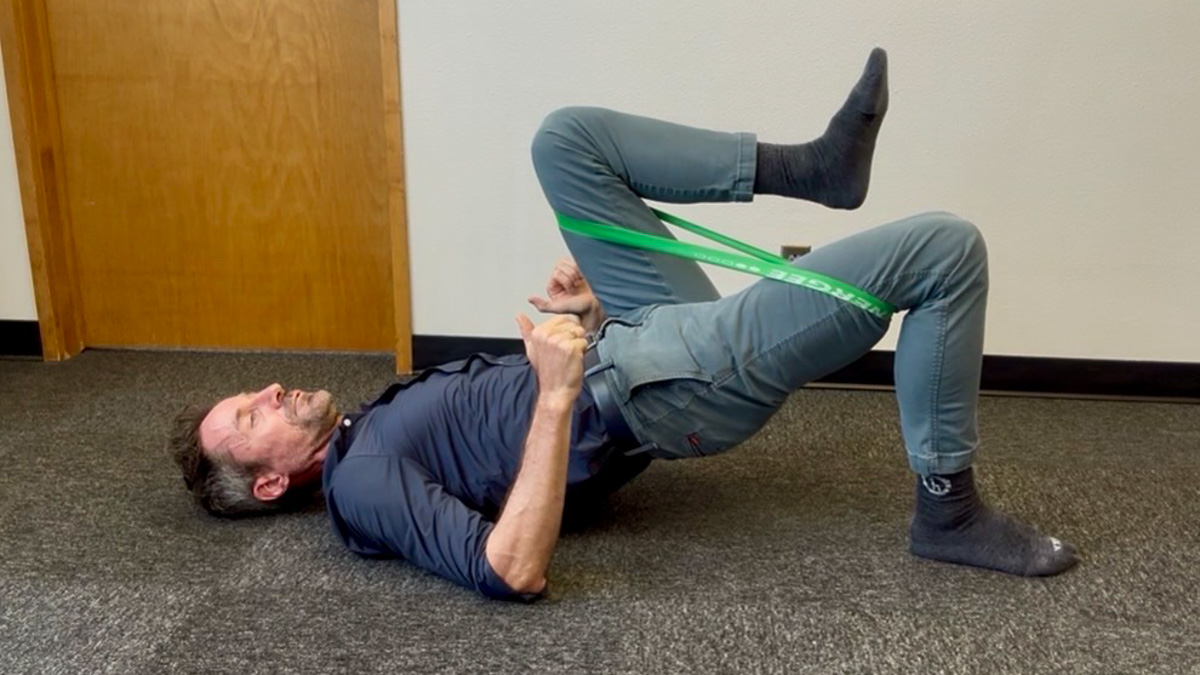
2 weeks agoWearable Robotics raises 5M to expand its arm exoskeleton
The ALEX RS is a bilateral upper-limb exoskeleton designed for post-stroke rehabilitation, covering 92% of the human arm's natural range of motion and is CE certified as a Class IIa medical device.
European startups
fromSherdog
2 weeks agoEx-UFC champ shatters nose in training, elects against corrective surgery
"What a good day, and what a stupid accident...again. Five years after [my previous nose break], my nose is f---ed up even worse [laughs]. As you see, it's even more cracked the same direction, and when I touch [my nose], my bones are broken inside."
MMA


fromdesignboom | architecture & design magazine
3 weeks agobody agency and the ways wearable devices let people regain control of their physical forms
Body agency is a power returned after an incident took it away from the user's physical form, and some wearable devices and technologies have this exact goal in mind.
Wearables
fromwww.theguardian.com
2 weeks agoWild west' reformer pilates boom is causing rise in injuries, experts warn
The boom in reformer pilates has created a wild west of studios where poor regulation has resulted in inexperienced teachers and a rise in injuries, professional standards bodies have warned.
Exercise
fromThe Walrus
1 month agoWhat I Learned from Breaking My Pelvis for the Second Time | The Walrus
On a sunny and warmish late-November day, my husband and I were meeting some close relatives to deposit our brother-in-law's ashes in a columbarium beside the remains of his late wife, my husband's only sibling. She had died during the pandemic, and her husband had subsequently moved away, but none of us were going to let the grim reaper separate a couple who had been conjoined by a lifetime of shared experiences.
Writing
Healthcare
fromdesignboom | architecture & design magazine
1 month agofoldable medical brace adapts to user's injured arm using adjustable cables
Bracesys is an adjustable foldable medical brace using Kevlar cables that adapts to individual arm sizes and healing stages, eliminating the need for custom orders or replacements.
fromMLB Trade Rumors
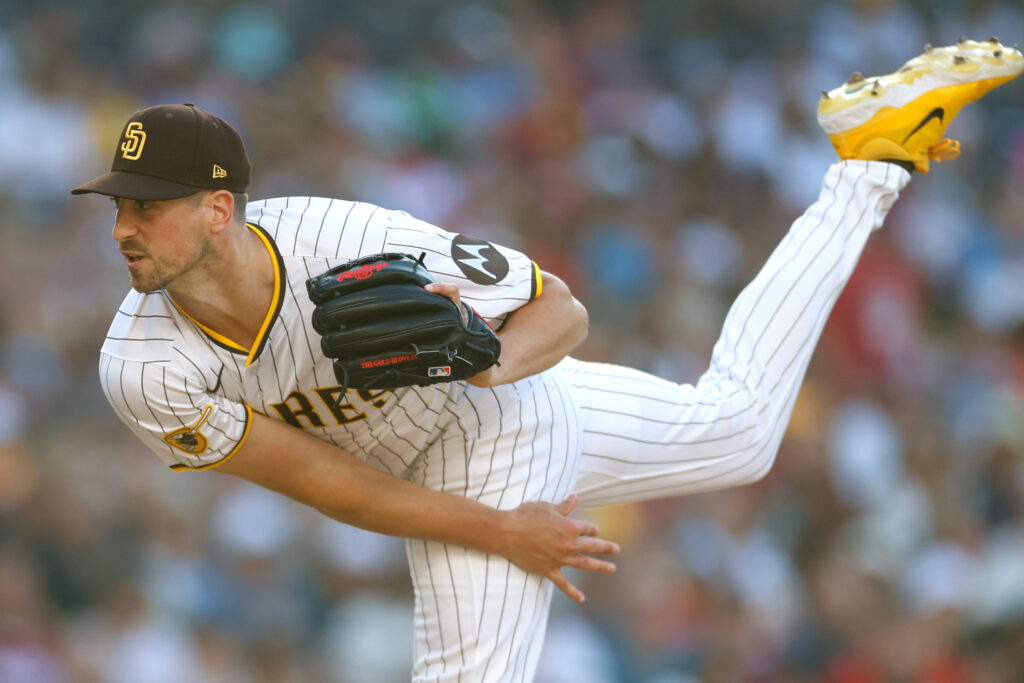
1 month agoRobert Stock Recommended For Thoracic Outlet Syndrome Surgery
Stock, 36, has appeared in parts of five MLB seasons to this point in his career. A second-round pick by the Cardinals back in 2009, he made a strong impression with the Padres in 2018, his first season as a big leaguer. He posted a 2.50 ERA in 39 2/3 innings of work that year, but unfortunately he's struggled at the big league level since then.
New York Mets
Health
fromwww.theguardian.com
2 months agoBouncing back: from an ankle sprain to a shoulder pinch, experts on the best way to recover from common injuries
Address underlying imbalances with targeted, consistent movement, proper diagnosis and professional care; combine rest, sleep, nutrition and graduated training to prevent and recover from pain.
fromStrength Running
1 month agoCross Training and Running: How to Add Other Sports to Your Training - Strength Running
Cross training and running go together like peanut butter and jelly. If you build it into your schedule intentionally, strategically, and with a clear understanding of what you're trying to accomplish, you'll thrive. Megan makes the case that cross-training serves runners for several distinct reasons, and the right reason for you will shape how you approach it.
Running
Relationships
fromhttps://amplify.upworthy.com
2 months agoHer boyfriend convinced doctors to call her in for an X-ray after her broken wrist exam - then a tiny detail on one finger stopped her cold
A boyfriend arranged for clinic staff to place a 3.47-carat yellow canary diamond ring on an X-ray image during his girlfriend's wrist exam to stage a surprise proposal.


fromWIRED
2 months agoWe Strapped on Exoskeletons and Raced. There's One Clear Winner
An exoskeleton is a relatively new class of wearable device designed to enhance, support, or assist human movement, strength, posture, or even physical activity. The main piece goes around your waist like a belt, and from it, a pair of hinged, mechanized splints extend down over the hips to strap onto each thigh, where they provide some robotic assistance to normal movements like walking, running, or squatting.
Medicine
fromdesignboom | architecture & design magazine
2 months agofoldable medical brace adapts to user's injured arm using adjustable cables
A foldable, reusable medical brace uses adjustable Kevlar cables and modular segments to provide precise, adaptable support and reduce pressure points during healing.
Major League Baseball
fromBattery Power
1 month agoDoes having a sword make Chris Sale more likely or less likely to get injured?
Chris Sale received a custom-made sword as promotional gear, raising questions about sword specifications and whether such gifts might paradoxically protect injury-prone athletes.
fromYanko Design - Modern Industrial Design News
2 months agoThis Kevlar Medical Brace Folds Flat Like Origami and Might Finally Kill the Plaster Cast - Yanko Design
Bracesys sidesteps all these limitations with an adjustable framework of segmented units, articulating connectors, and tension dials. The entire system weighs just 150 grams and folds flat into an envelope, yet provides rigid support comparable to traditional casts. More remarkably, clinicians can customize it to each patient's anatomy in real time, adjusting the fit as swelling decreases and healing progresses.
Medicine
fromInsideHook
1 month agoAre You in Alignment? How to Unlock Pain-Free Movement.
The brain is the conductor of the orchestra, the muscles are the instruments. When your body is out of alignment, the orchestra is playing out of tune. Misalignment in the musculoskeletal system is frequently the root cause of chronic pain and the resulting poor posture.
Health
fromScience of Running
2 months agoFit and Fast: Achieving Robustness in Training
In this episode of the On Coaching Podcast, Steve Magness and Jon Marcus discuss the concept of 'fit but flat,' exploring the phenomenon where athletes excel in metabolic fitness but fail to perform competitively due to a lack of neuromuscular coordination. Using examples like middle-distance runner Ingram Brion, the hosts delve into how metabolic training alone can lead to race failures.
Running
fromYanko Design - Modern Industrial Design News
2 months ago3 Designers Built the Knee Recovery Tool 40% of Seniors Need - Yanko Design
There's something quietly radical about designing for pain. Not the dramatic, cinematic kind, but the daily grind of chronic discomfort that shapes how millions of people move through their lives. That's exactly what Madhav Binu, Kriti V, and Himvall Sindhu set out to tackle with Revive, a home-based rehabilitation device for knee osteoarthritis patients. The numbers tell a sobering story. Forty percent of India's elderly population lives with knee osteoarthritis, a condition that doesn't just hurt.
Medicine
fromSilicon Canals
2 months agoThe walking mistake most people over 50 make that actually damages their knees - Silicon Canals
Most people think walking faster and taking longer strides equals better exercise. After all, covering more ground should mean burning more calories and getting fitter, right? But here's what I've learned after interviewing physical therapists and orthopedic specialists over the years: that aggressive, overextended walking style is actually one of the worst things you can do to your knees, especially after 50.
Exercise
fromwww.theguardian.com
2 months agoIt's such a complex little area': how to really look after your wrists
The wrist is such a complex little area, Evans says, as they have evolved to allow an extraordinary range of movement while also supporting a high level of fine motor control the wrists mean we have the capacity to do both handstands and neurosurgery. It's got eight little carpal bones they're the axis of the wrist and then you've got your radius and your ulna, which are your two forearm bones, and then that joins in with your hand bones, your metacarpals, Evans says.
Medicine
Exercise
fromScienceDaily
1 month agoMillions with joint pain and osteoarthritis are missing the most powerful treatment
Exercise is the most effective treatment for osteoarthritis, yet fewer than half of patients are referred to it, with many instead receiving unnecessary treatments or premature surgery.
[ Load more ]