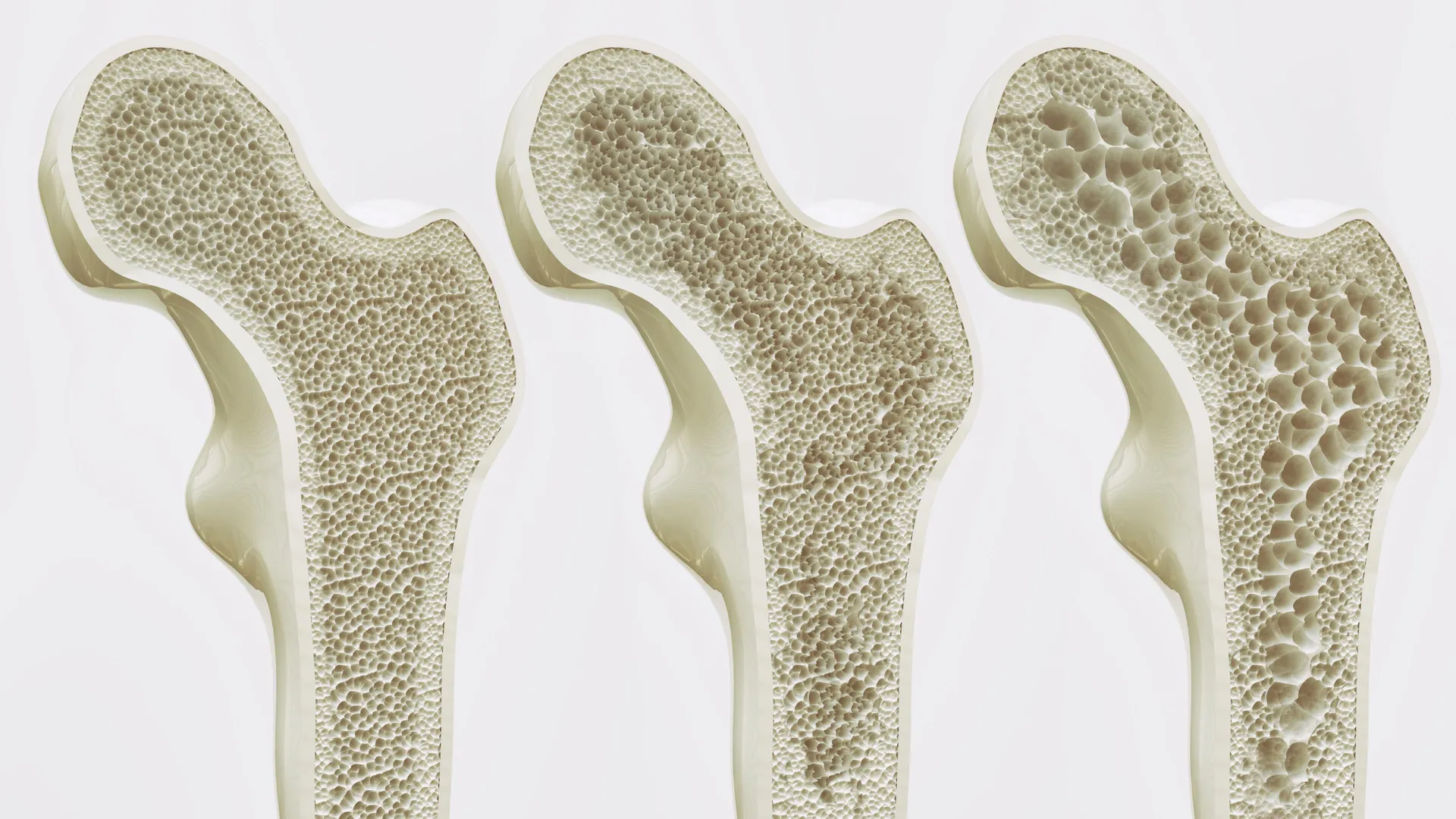
"Researchers from the Department of Medicine at the School of Clinical Medicine, LKS Faculty of Medicine, University of Hong Kong (HKUMed) have identified a biological process that explains how physical activity helps maintain strong bones. The discovery could lead to new treatments for osteoporosis and bone loss, particularly for people who are unable to exercise. The team found that a specific protein acts as the body's internal "exercise sensor," allowing bones to respond to physical movement."
"This insight opens the possibility of developing medications that replicate the benefits of exercise, offering new hope for older adults, bedridden patients, and individuals with chronic illnesses who face a higher risk of fractures. The findings were published in the journal Signal Transduction and Targeted Therapy. "Osteoporosis and age-related bone loss affect millions worldwide, often leaving elderly and bedridden patients vulnerable to fractures and loss of independence," said Professor Xu Aimin,"
A protein in bone tissue functions as an internal exercise sensor that detects mechanical movement and converts it into molecular signals that promote new bone formation. Activation of this sensor stimulates pathways that increase bone strength and counteract age-related bone loss. Pharmacological agents that mimic the sensor’s effects could replicate exercise benefits and prevent osteoporosis in individuals unable to maintain physical activity. Such treatments could reduce fracture risk and preserve independence among older adults, bedridden patients, and people with chronic illnesses. Identification of the sensor provides a molecular target for developing therapies against bone loss.
Read at ScienceDaily
Unable to calculate read time
Collection
[
|
...
]