"How could such a small, innocent movement trigger such paralysing pain that lasts for weeks, months, years or, in some cases, decades? The reason is that most cases of lower back pain are not the result of damage to muscles, tendons or bone. Most start with something as benign as a muscle spasm, which then sets the lower back on a pathway of nerve sensitisation and pain that is hard to treat."
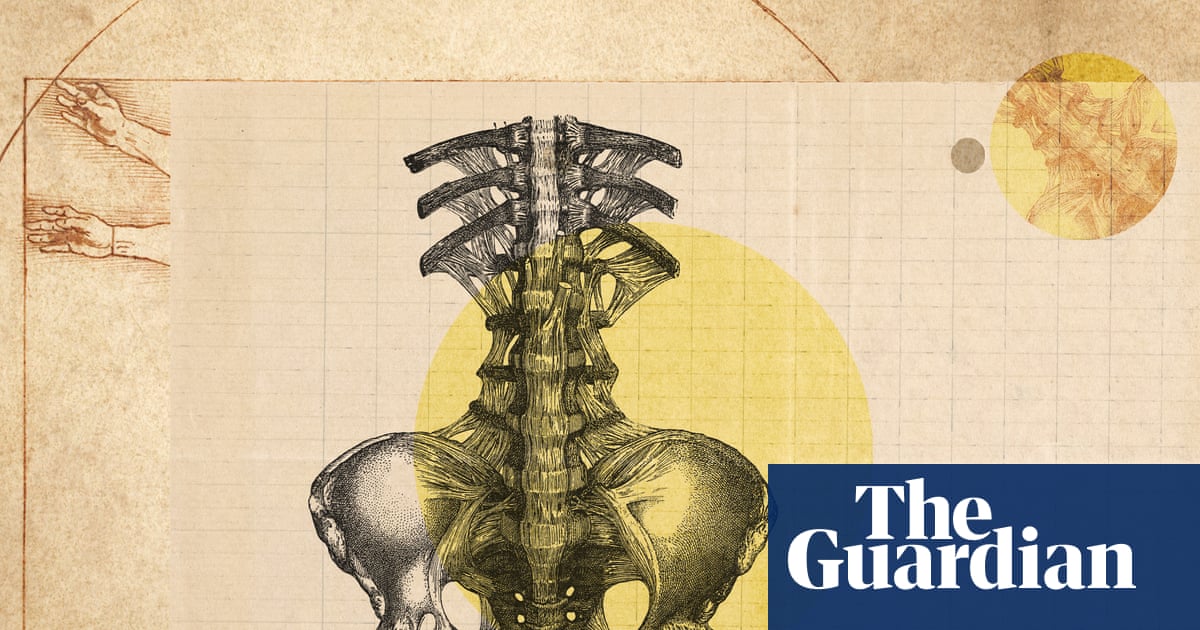
"The spine is essentially a pillar that protects the spinal cord and nerves and supports us to stand, but at the same time it allows us to bend and turn and twist, says Prof Manuela Ferreira, head of musculoskeletal health at the George Institute for Global Health in Sydney. This requires a lot of moving parts. There are so many structures that could be involved in the process of back pain; so many joints, so many muscles big muscles, small muscles the disks, Ferreira says."
"Getting out of bed. Picking up a coffee mug. Waving at a friend. Bending down to pat a dog. Turning to flush the toilet. Many who have experienced doing their back in have been baffled by the discrepancy between the mildness of the precipitating action and the severity of the resulting pain. How could such a small, innocent movement trigger such paralysing pain that lasts for weeks, months, years or, in some cases, decades?"
Most lower back pain begins with a muscle spasm rather than damage to muscles, tendons or bone. A benign action can trigger a spasm that initiates nerve sensitisation and prolonged, hard-to-treat pain. Approximately 80% of people will experience lower back pain at some point. Prevention is generally easier than treatment, and many episodes resolve over time. The spine must both protect nerves and allow movement, relying on many joints, large and small muscles, and discs. Insufficient movement and excessive load on the lumbar spine increase risk, so maintaining mobility reduces burden.
Read at www.theguardian.com
Unable to calculate read time
Collection
[
|
...
]