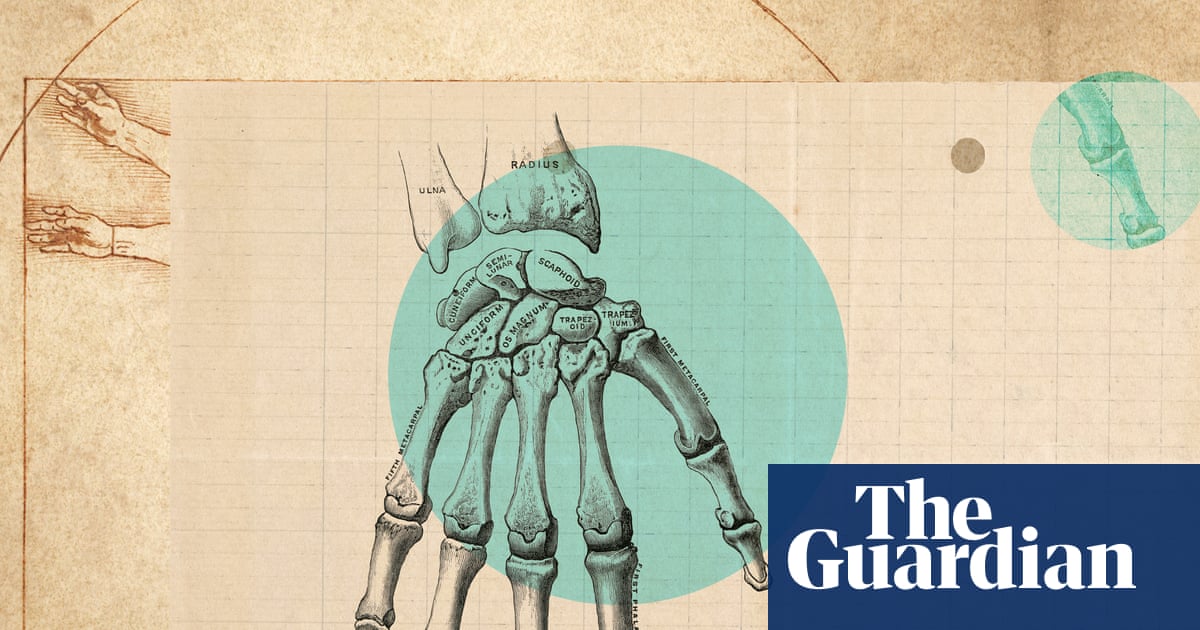
Holiday activities and older adults riding children's scooters or bikes increase fall risk, often resulting in wrist injuries from landing on an outstretched hand. The instinct to extend the arms to protect the body transmits much force into the wrist. The wrist comprises eight small carpal bones, the radius and ulna forearm bones, and metacarpals, all linked by ligaments and traversed by tendons that connect arm and hand muscles to bones. This complex structure enables both broad movement and fine motor control but creates many potential failure points. Repetitive movements and prolonged position-holding can inflame tendons, and De Quervain tenosynovitis commonly affects new parents, grandparents, and heavy phone or computer users by irritating the two tendons that connect arm muscles to the thumb bones.
"The wrist is such a complex little area, Evans says, as they have evolved to allow an extraordinary range of movement while also supporting a high level of fine motor control the wrists mean we have the capacity to do both handstands and neurosurgery. It's got eight little carpal bones they're the axis of the wrist and then you've got your radius and your ulna, which are your two forearm bones, and then that joins in with your hand bones, your metacarpals, Evans says."
"One common wrist condition that therapists see a lot of is called De Quervain tenosynovitis, which is sometimes called mother's thumb, says physiotherapist Nicola Wheeler from Bondi Junction Hand Therapy. It's common in new parents, new grandparents, because of this position in lifting up under the arm, as well as feeding postures, Wheeler says. That new repetitive movement or position-holding is inevitable with a new baby although it's also seen with lots of scrolling or computer use"
Read at www.theguardian.com
Unable to calculate read time
Collection
[
|
...
]