#dermatillomania
#dermatillomania
[ follow ]
#mental-health #anxiety #eating-disorders #body-image #therapy #emotional-regulation #addiction #perfectionism #ocd
Relationships
fromIndependent
3 days agoAsking for a friend: I can't keep an erection during sex and sometimes can't get hard at all. I'm not depressed or on medication, but I do watch a lot of porn
Erectile issues do not define masculinity; men are whole humans with real anxieties beyond physical performance.
fromPsychology Today
4 days agoHow to Be Methodical
Being methodical usually involves creating a process that you trust will eventually lead to an acceptable result, and then committing to executing it over and over. This reduces a lot of mental load, and helps when you don't know exactly how long something will take or how many attempts you'll need to make.
Productivity
#anxiety
Psychology
fromSilicon Canals
2 weeks agoPsychology says people who compulsively tidy and reorganize aren't control freaks - they learned early that the one thing they could control was the physical space around them - Silicon Canals
Compulsive tidying is a response to anxiety, rooted in a need for control and predictability in unpredictable environments.
#emotional-regulation
Mental health
fromSilicon Canals
1 month agoPsychology says people who use alcohol, shopping, scrolling, or constant socializing to regulate their emotional state aren't lacking in willpower - they've found something that reliably interrupts the signal their inner life is trying to send, and they will keep using it for exactly as long as the signal remains more frightening than the interruption - Silicon Canals
Behaviors labeled as bad habits are often successful emotional regulation strategies developed in response to overwhelming internal discomfort, not character flaws or willpower failures.
fromNature
3 weeks agoStress can cause eczema to flare-up - now we know why
The study shows "how a feeling, such as psychological stress, can translate into a biological event, namely inflamed skin", says co-author Shenbin Liu, a neurobiologist at Fudan University in Shanghai, China.
Alternative medicine






#hoarding-disorder
Mental health
fromPsychology Today
3 weeks agoHoarding Disorder May Lead to Increased Suicide Risk
Hoarding disorder affects 2-6% of the population, characterized by compulsive accumulation and clutter, with 13% of sufferers attempting suicide and significant associations with depression and social isolation.
fromPsychology Today
2 months agoA Parent's Guide to Body-Focused Repetitive Behaviors
Body-focused repetitive behaviors (BFRBs), like hair pulling, skin picking, and nail biting, can take up a lot of space in a family's life. Not just in bathrooms and bedrooms, but in conversations, emotions, and worries about the future. Parents want to help, kids want relief, and everyone is exhausted by the cycle of noticing, reminding, trying harder, and feeling discouraged.
Parenting
fromFast Company
1 month agoSelf-discipline can be your worst enemy
Looking back, I think the incident happened because I was at an internal breaking point between who I had been and who I was becoming. It was Blair's first indication that the self-discipline she imposed on herself-insisting that she could do everything perfectly on her own-wasn't healthy. In addition to the significant stress of her high-pressure job, she was also still carrying the grief of losing her partner five years earlier.
Mental health
Mental health
fromwww.theguardian.com
1 month agoI can't stop picking at my pimples. How do I break this habit?
Compulsive skin and hair picking may indicate body-focused repetitive behaviors (BFRBs) like trichotillomania or dermatillomania, which are mental illnesses requiring professional treatment beyond willpower or habit-breaking strategies.
Mental health
fromPsychology Today
1 month agoWhy Do I Worry?
Worry is future-focused mental rehearsal that distracts from deeper emotions, harms physical and emotional health, persists through perceived protection and habit, and requires compassionate awareness and boundaries to transform into growth.
Psychology
fromSilicon Canals
2 months agoIf you still check all your doors twice before going to bed even though you know you already locked them, psychology says you have these 7 vigilance traits that careless people find exhausting - Silicon Canals
Hypervigilance causes repeated checking, mental rehearsal, and heightened attention to details, draining mental energy and causing exhaustion.
Mental health
fromSilicon Canals
2 months agoPsychology says people who check everything multiple times before leaving usually grew up in these 7 household environments - Silicon Canals
Repetitive checking behaviors often originate in childhood household dynamics that foster uncertainty, leading to lifelong coping routines around security and control.
Psychology
fromSilicon Canals
2 months agoPsychology says people who double-check that the door is locked display these 8 anxiety-driven traits that make them more reliable - Silicon Canals
Double-checking behaviors reflect heightened error-detection and responsibility bias, making individuals more detail-oriented, reliable, and trusted for preventing mistakes and ensuring task completion.
fromPsychology Today
2 months agoAvoidance Is Not Always About Triggers
Many people going through grief, infertility, loss, or prolonged stress find themselves quietly withdrawing from family gatherings, holidays, baby showers, weddings, and even casual get-togethers. Often, this is explained in terms of not wanting to get triggered. That explanation is valid. Triggers are real, and the emotional pain can be sharp, sudden, and last for hours. Framed this way, stepping back can feel like a very good form of self-care.
Mental health

fromPsychology Today
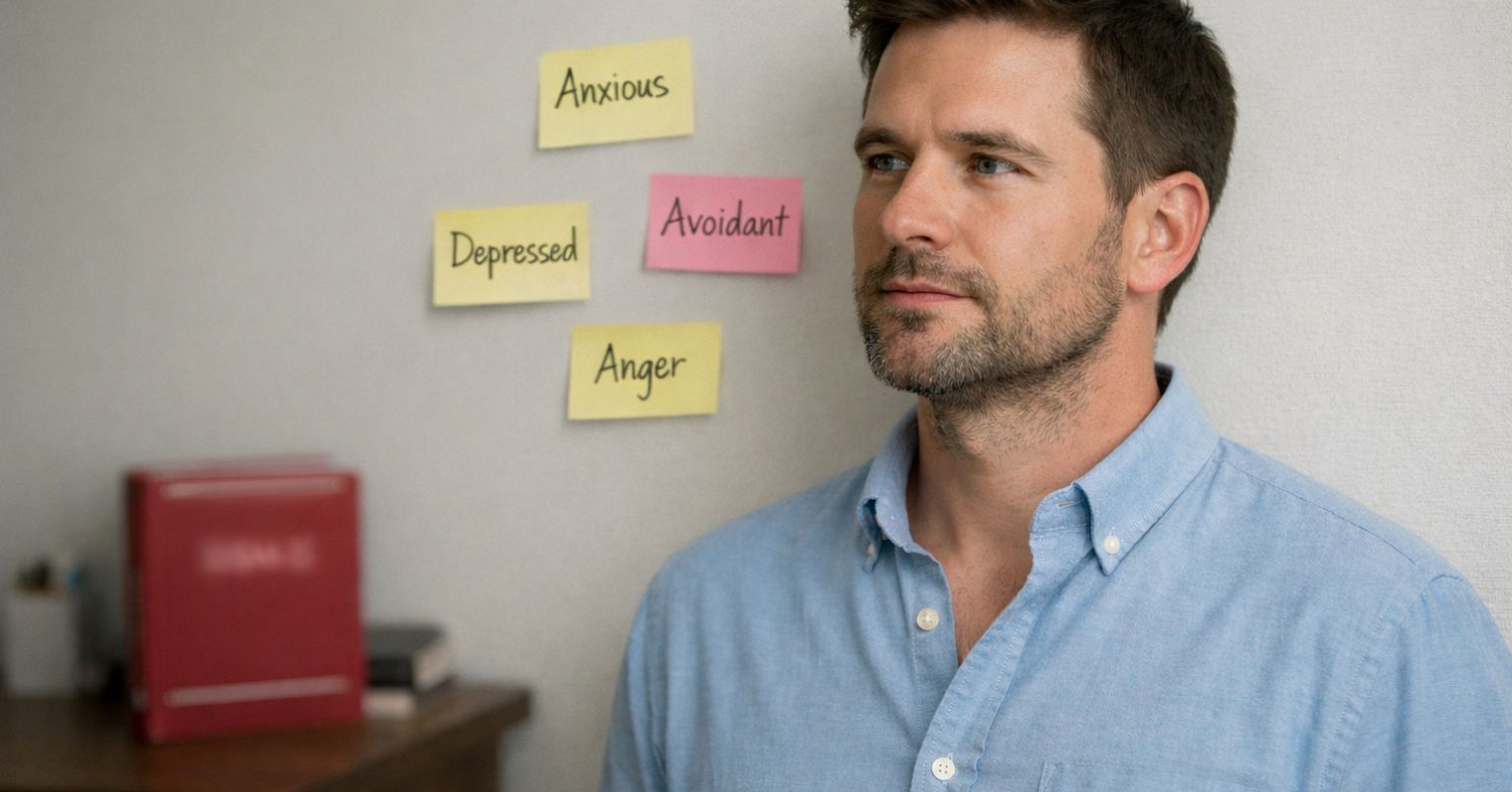
2 months agoThe Hidden Costs of Compulsive Caring
Caring is usually seen as an unquestioned virtue. We admire the devoted partner, the endlessly patient friend, and the person who is always available in a crisis. But in adult relationships, caring can sometimes become more than a loving response to another person's needs; it can become a relational pattern, a central way of organizing intimacy, identity, and self-worth. When this happens, it becomes a psychological role.
Mental health
fromPsychology Today
2 months agoCan Avoiding Dating Be Relationship OCD?
People may avoid romantic relationships for various reasons. Some genuinely prefer being single, others are focused on other life goals, and some may simply not feel drawn to dating at a certain stage in life. But for some, avoiding dating is not a free choice. Instead, it is driven by fear, doubt, and attempts to protect themselves from emotional distress. In these cases, relationship obsessive-compulsive disorder ( ROCD) may be operating quietly in the background, shaping decisions from behind the scenes.
Mental health
[ Load more ]