The audit, commissioned by the Healthcare Quality Improvement Partnership and funded by NHS England, found there were more community teams to support children than there were for adults. On average, adults with eating disorders had to wait twice as long as children for an assessment, and more than 10 times as long for treatment, the report found. The eating disorder charity Beat said the growing disparity between child and adult services was particularly worrying.
This can be hard for onlookers to understand, but for people who have lived through trauma, chronic emotional invalidation, or unsafe relationships, self-blame can become an organizing principle. It offers a painful kind of order. If suffering is my fault, then at least it makes sense. Over time, that belief does not stay confined to memory. It begins to shape behavior.
Imagine sitting down to a holiday meal with family and friends while battling an eating disorder. The experience can feel completely different from that of those who are not struggling. Many people look forward to holiday meals-the flavors, the enjoyment of good food, and the satisfaction of a hearty appetite. Most of all, they anticipate the warmth of gathering with loved ones. But for someone coping with an eating disorder, these moments can be fraught with anxiety rather than comfort.
In late May 2023, Sharon Maxwell posted screenshots that should have changed everything. Maxwell, struggling with an eating disorder since childhood, had turned to Tessa-a chatbot created by the National Eating Disorders Association. The AI designed to prevent eating disorders gave her a detailed plan to develop one. Lose 1-2 pounds per week, Tessa advised. Maintain a 500-1,000 calorie daily deficit. Measure your body fat with calipers.
The rising cost of living continues to strain many households, and interruptions to food assistance programs during the temporary government shutdown added new stress for those already trying to stay afloat. According to the U.S. Department of Agriculture, in 2023, about 13.5 percent of U.S. households, including 7.2 million children, experienced food insecurity. This is an increase over the previous year's figures, highlighting how quickly families can slip into hardship when basic needs become unstable.
Eating disorders are among the most chronic and life-threatening psychiatric illnesses, with many affected individuals experiencing fatal outcomes. Recovery is often difficult because patients may fear changes to their bodies, struggle to relinquish control over eating and exercise, and live within a culture that reinforces disordered eating behaviors and unrealistic beauty ideals. As a result, harm reduction has increasingly been discussed as a necessary approach for individuals with long-term, chronic eating disorders.
Staff at a specialist eating disorder unit have been photographed sleeping when they should have been looking after patients who were at risk of harming themselves. There were multiple "unsafe" incidents because of staff failings, according to whistleblowers. Many seriously ill patients have told the BBC they felt their time on the unit had made their condition worse. Schoen Clinic York said "where specific concerns have been raised, they have been fully investigated and addressed" but no "systemic issues" were found.
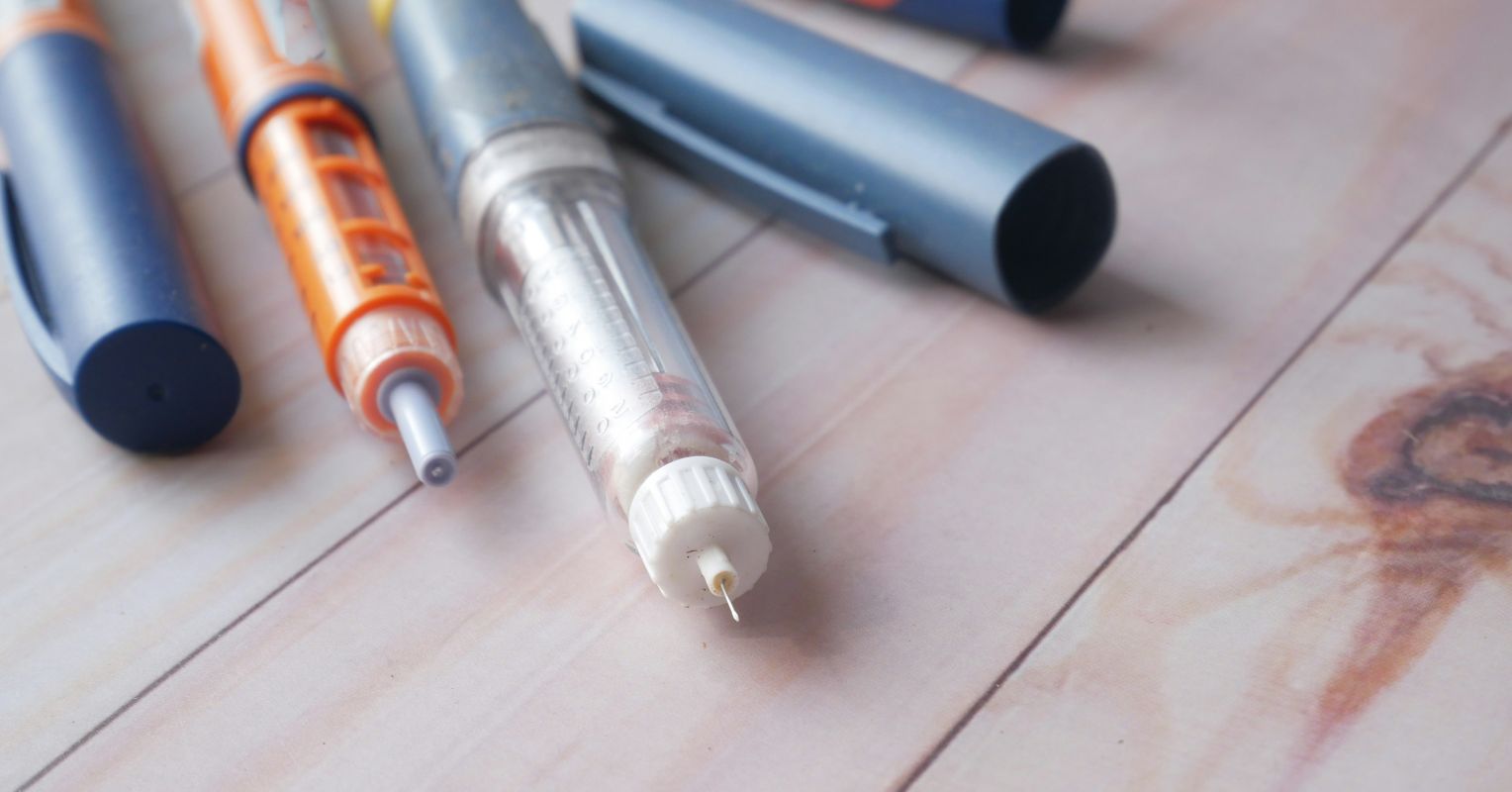
Before I explain, I want to clarify that I firmly believe in body autonomy. If someone chooses to take a weight loss medication, they should be able to do so without judgment. I hope all potential users are fully informed about the risks and benefits of these medications and are followed responsibly by medical providers. Ideally, they would also be screened for a current or past eating disorder or any other condition that might contraindicate the use of GLP-1s and GIPs.
Engagement is the highest priority of chatbot programming, intended to seduce users into spending maximum time on screens. This makes chatbots great companions-they are available 24/7, always agreeable, understanding, and empathic, while never judgmental, confronting, or reality testing. But chatbots can also become unwitting collaborators, harmfully validating self-destructive eating patterns and body image distortions of patients with eating disorders. Engagement and validation are wonderful therapeutic tools for some problems, but too often are dangerous accelerants for eating disorders.
Eating disorders often look like they're about discipline or willpower, weight loss or weight gain, control or chaos. That's precisely how diet culture wants us to see them. But underneath, they're about pain, about regulation, about protection.
"I found that calorie counts gave me some semblance of control in the aftermath of my mother's death; I couldn't control what happened to her body, but I could regulate what I put in mine."
You never know what someone else is going through and why they're eating what they're eating, highlighting the complexities behind dietary choices and interpretations of comments.
To see how deep this connection runs, this team decided to test it out using Kool-Aid. The study introduced a group of mice to Grape Kool-Aid, a novel flavor to them. Half of the mice were then injected with lithium chloride, a chemical that induces nausea.