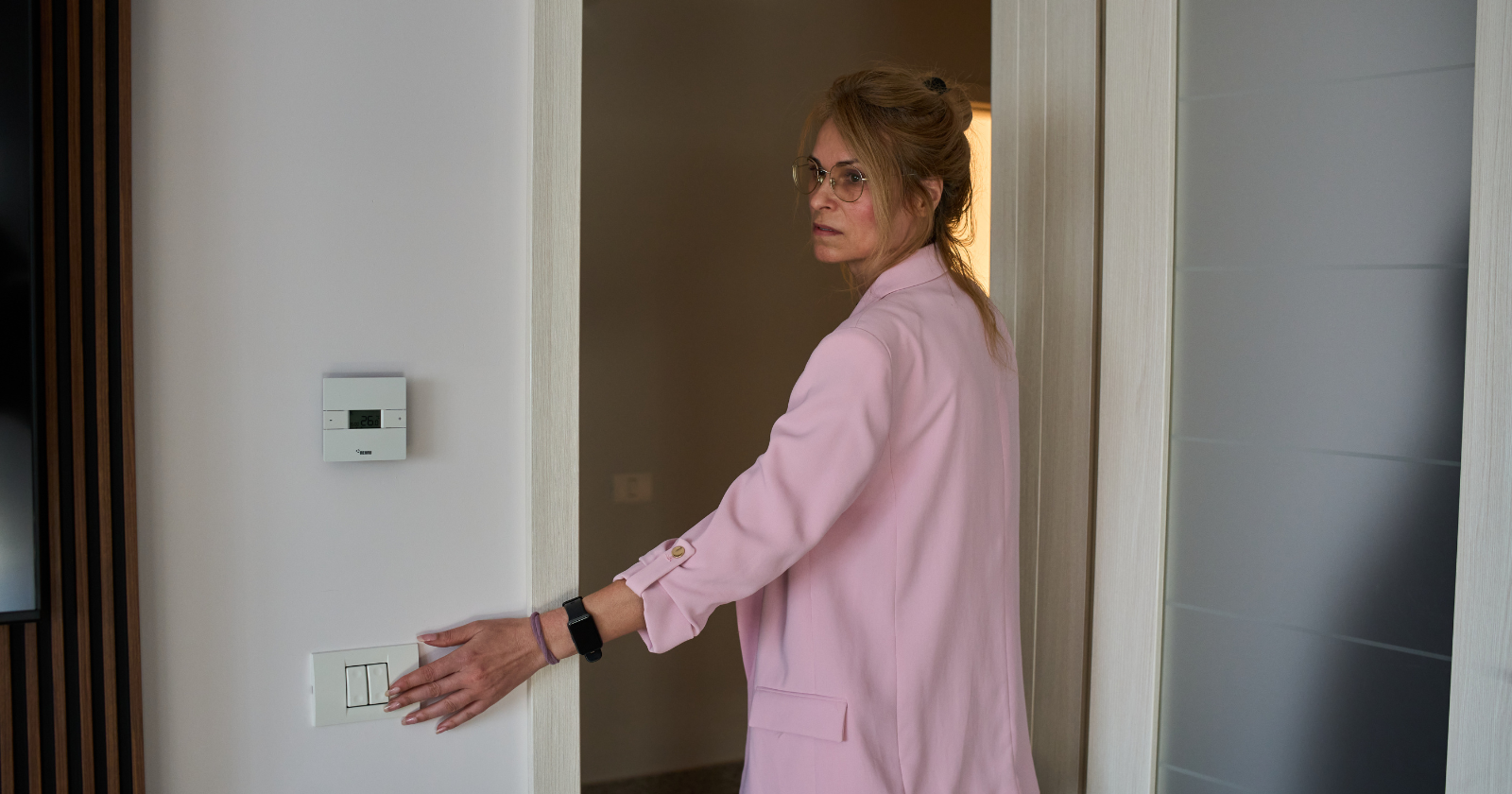
"Each time, it was locked. Each time, I knew it would be. And each time, I still had to check. If this sounds familiar, you're not alone. What we call "double-checking" is actually a complex psychological trait that reveals something deeper about how our minds work. According to research, this behavior isn't just about being careful, it's part of a broader pattern of hypervigilance that shapes how we navigate the world."
"This mental rehearsal is a classic sign of hypervigilance. According to Psychology Today, our brains are constantly scanning for potential threats, and for some of us, social interactions register as situations that need careful preparation. I used to spend hours mentally scripting work meetings, playing out every possible question and crafting perfect responses. The irony? The conversations never went according to my script anyway."
Double-checking and repeated lock-checks reflect a pattern of hypervigilance characterized by persistent internal alarm systems. People with this trait mentally rehearse conversations, including mundane exchanges, to anticipate and control outcomes. The brain constantly scans for potential threats, so social interactions can register as situations requiring careful preparation. This leads to extensive scripting of meetings and responses that often do not match reality. Hypervigilance also manifests as noticing environmental details others miss, and it consumes mental energy. The need to avoid being caught off guard produces exhaustion for the individual and strains relationships and daily functioning.
Read at Silicon Canals
Unable to calculate read time
Collection
[
|
...
]