#content-quality
#content-quality
[ follow ]








fromTechCrunch
1 month agoX says it's reducing payments to clickbait accounts | TechCrunch
Bier stated, 'It became abundantly clear: flooding the timeline with 100 stolen reposts and clickbait everyday crowded-out real creators and hurt new author growth.' He emphasized that X will not compensate for manipulation of the program or its users.
Social media marketing



#seo
Online marketing
fromLondon Business News | Londonlovesbusiness.com
1 month agoImprove SEO with grammar checker, plagiarism checker, and free AI content detector techniques - London Business News | Londonlovesbusiness.com
High-quality, original content is essential for SEO, with tools like grammar checkers and plagiarism detectors improving content quality and user trust.

Online marketing
fromLondon Business News | Londonlovesbusiness.com
1 month agoImprove SEO with grammar checker, plagiarism checker, and free AI content detector techniques - London Business News | Londonlovesbusiness.com
High-quality, original content is essential for SEO, with tools like grammar checkers and plagiarism detectors improving content quality and user trust.


Miscellaneous
fromSearch Engine Roundtable
2 months agoFebruary 2026 Google Discover Core Update Done Rolling Out
Google's February 2026 Discover Core Update completed rollout on February 27, prioritizing locally relevant content, reducing clickbait, and elevating in-depth original articles while reducing non-US publisher visibility in US Discover feeds.
fromBuffer: All-you-need social media toolkit for small businesses
3 months agoReplying to Your Instagram Comments Can Boost Engagement by 21%
The fact is, though, those hacks, in the truest sense, really don't exist. The quality of your content is the be-all and end-all of Instagram post performance. But there are a handful of things you can do to give your content a helpful little boost. Posting at a good time for the platform can help, as can keeping up a consistent posting cadence.
Social media marketing
fromThe Verge
4 months agoMerriam-Webster's 2025 word of the year is 'slop'
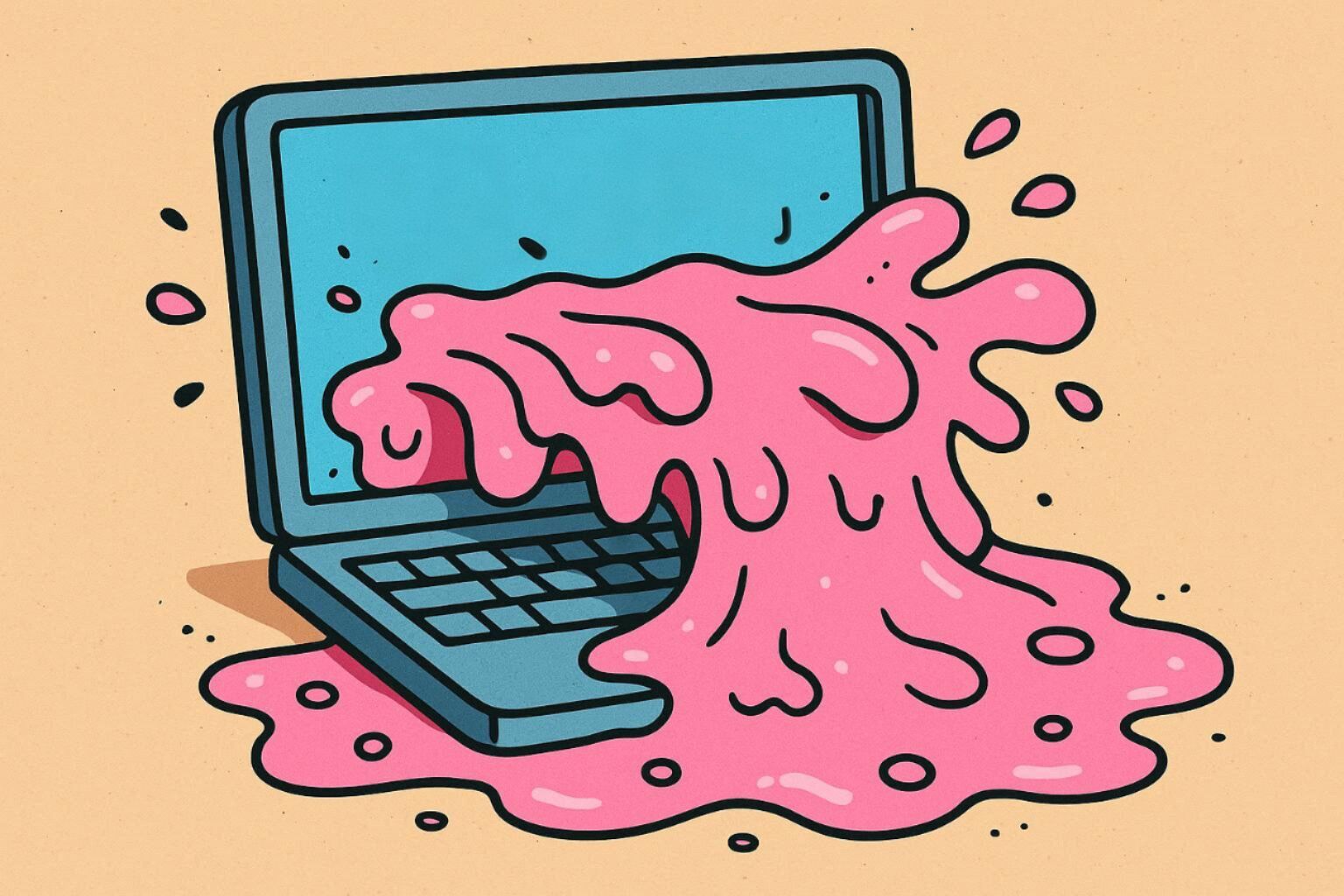
Merriam-Webster has settled on a word that represents 2025 - and that word is "slop." The dictionary-maker defines "slop" as "digital content of low quality that is produced usually in quantity by means of artificial intelligence," something that many people have become familiar with as AI-generated content permeates the internet. This year, some of the most popular sites on the web took steps to stave off the infestation of AI slop, including YouTube, Wikipedia, Spotify, and Pinterest.
Artificial intelligence
fromDigiday
7 months agoThe synthetic scroll has arrived with Meta's Vibes and OpenAI's Sora - marketers are watching nervously
The worry, even among marketers, is that these tools aren't ushering in a new creative renaissance - they're accelerating a race to the bottom. Volume over value. Engagement over a meaning. A feed full of something that looks like content but isn't saying much at all.
Artificial intelligence
fromMarTech
8 months agoMarketers are drowning in tools and content, and only orchestration can pull them out | MarTech
Marketers today aren't short on tools or content - they're drowning in both. Fragmented stacks, manual processes and an overwhelming tide of generic AI output have created more chaos than clarity. The costs are steep: wasted budgets, diluted brands and campaigns that fail to connect. The answer isn't more tools, but orchestration. Moving from chaos to cohesion means unifying strategy, workflows and measurement so AI becomes an accelerant - not a liability.
Marketing tech


Artificial intelligence
fromPsychology Today
11 months agoCan We Put a Stop to Internet Slop?
Generative AI is making writing and content creation easier but risks lowering content quality and fostering laziness.
The struggle in tasks like writing helps develop self-efficacy and personal strength in youth.
[ Load more ]