#cerrado
#cerrado
[ follow ]
#climate-change #biodiversity #indigenous-rights #environmental-protection #atlantic-forest #agriculture


Environment
fromwww.theguardian.com
4 days agoIf they pollute our rivers, what will become of us?': the town divided between hope and fear in Brazil's Amazon oil rush
Oiapoque, Brazil, is poised for development through oil production, raising concerns about environmental impacts and Indigenous rights amid a global energy transition.
fromRealagriculture
2 weeks agoBiofuels, Brazil, and the cost of war: Suderman outlines key forces shaping grain markets
"I think it surprised me how easily people are swayed by headlines," says Suderman, noting that wartime information flows are often strategic and conflicting. "You have to learn in a wartime to take everything with a grain of salt in the context of what you observe."
World politics
fromwww.theguardian.com
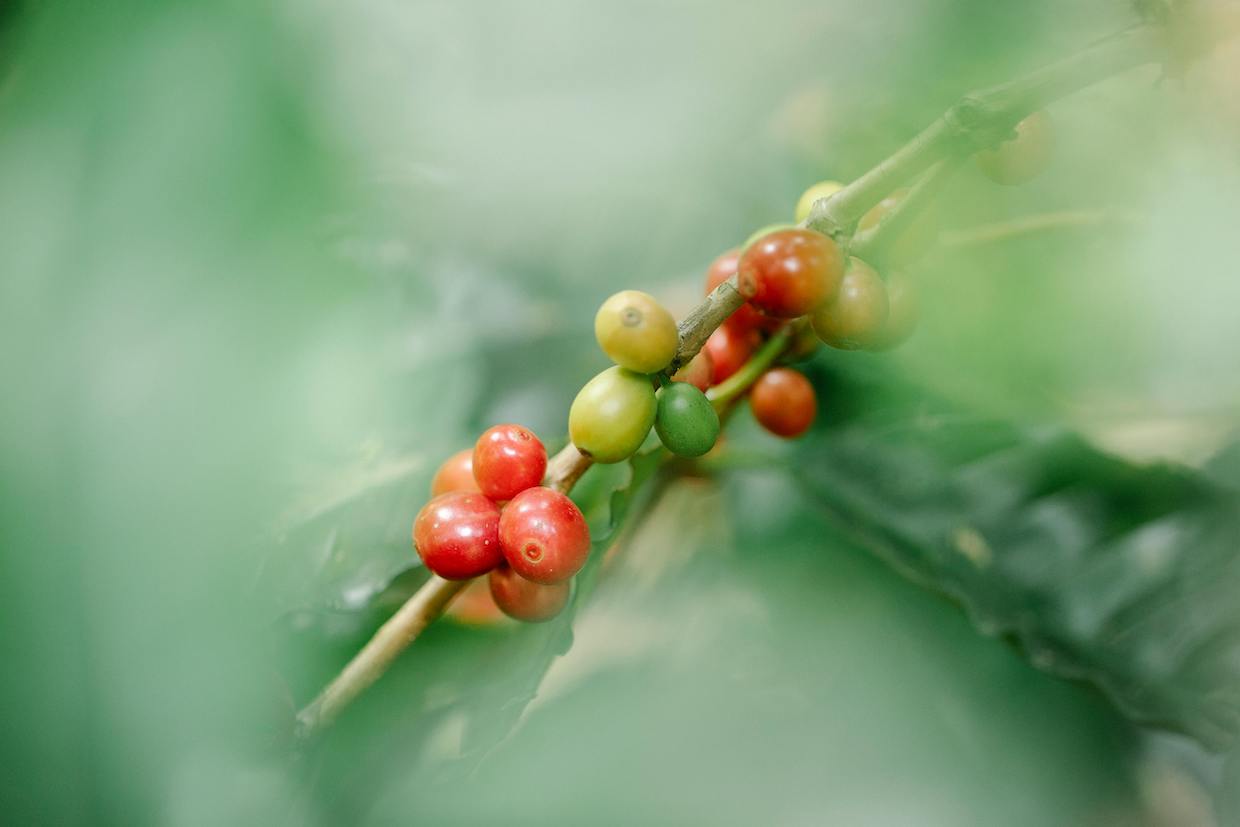
2 weeks agoA robust future? Why Brazil's bitter' coffee is thriving as the climate crisis hits global crops
When the Paiter Surui community expelled the last invaders of their land in 1981, they faced a divisive decision. Should they keep the coffee plantations left by the colonisers? Some destroyed them because of the death and violence contact with the non-Indigenous world had caused. Others felt sorry for the trees and couldn't kill them.
Coffee
fromwww.theguardian.com
1 month agoIt creates a sense of belonging': Brazil bets on hiking trails for conservation
The idea that hiking trails are a tool for conservation is based on a simple premise: people protect what they know. That requires making conservation areas accessible. There's no point telling people you only protect what you know, if you don't give them the tools to know. The trail is this tool. People who hike, people who camp, these people often become defenders of the environment.
Travel
Renovation
fromColossal
4 weeks agoIn Paraguay, Architecture Doesn't Come at the Expense of Nature at 'Un Bosque en La Casa'
A contemporary home in Paraguay integrates existing trees as design guides rather than obstacles, creating a harmonious blend of modern architecture and natural forest environment.
Agriculture
fromwww.theguardian.com
3 weeks agoVillagers on Principe, the African Galapagos', to be paid for protecting the ecosystem
Principe islanders receive quarterly dividends for following environmental protection codes, with nearly 3,000 participants receiving their first payment of €816, creating economic incentive for conservation.
Renovation
fromdesignboom | architecture & design magazine
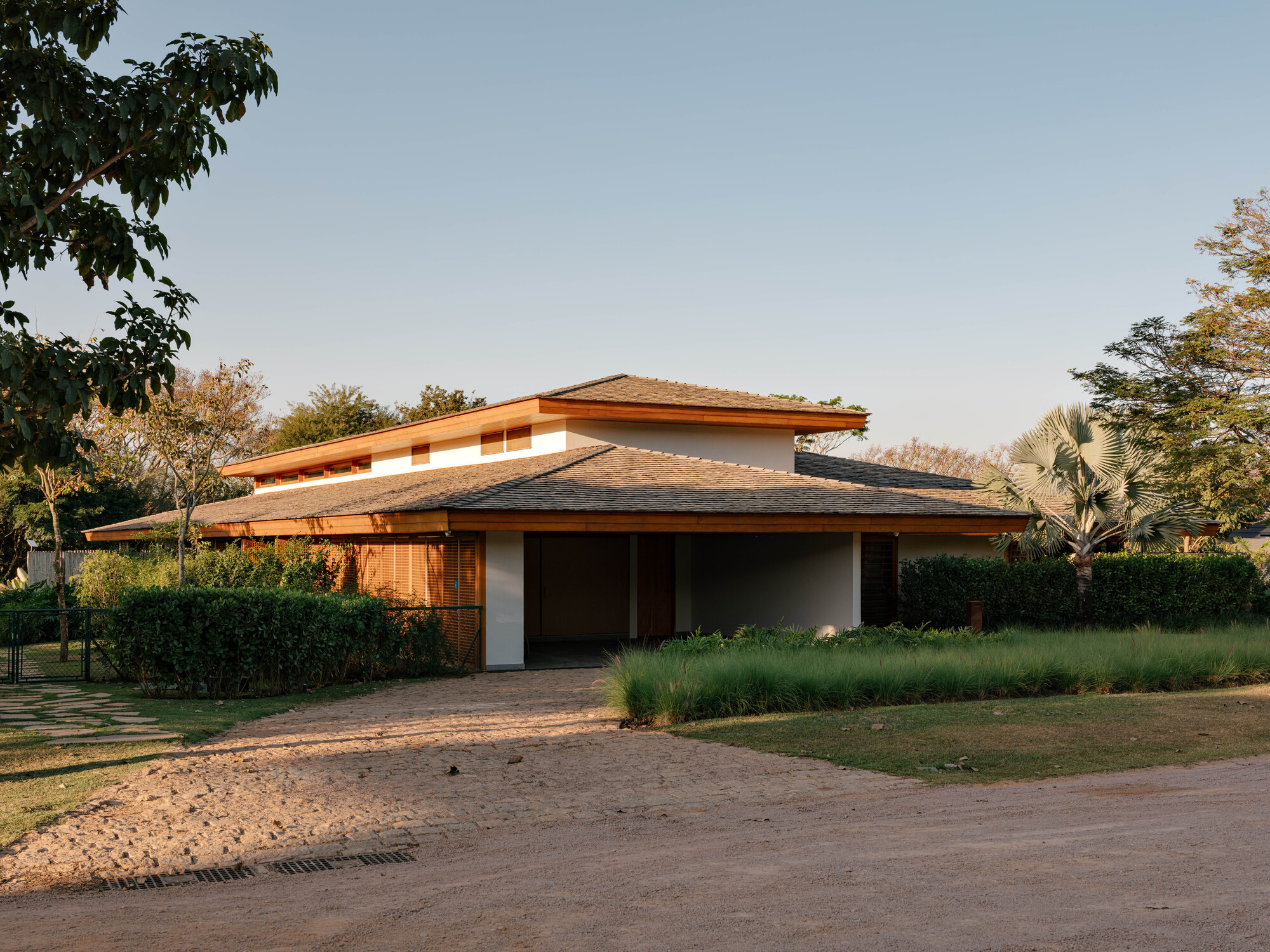
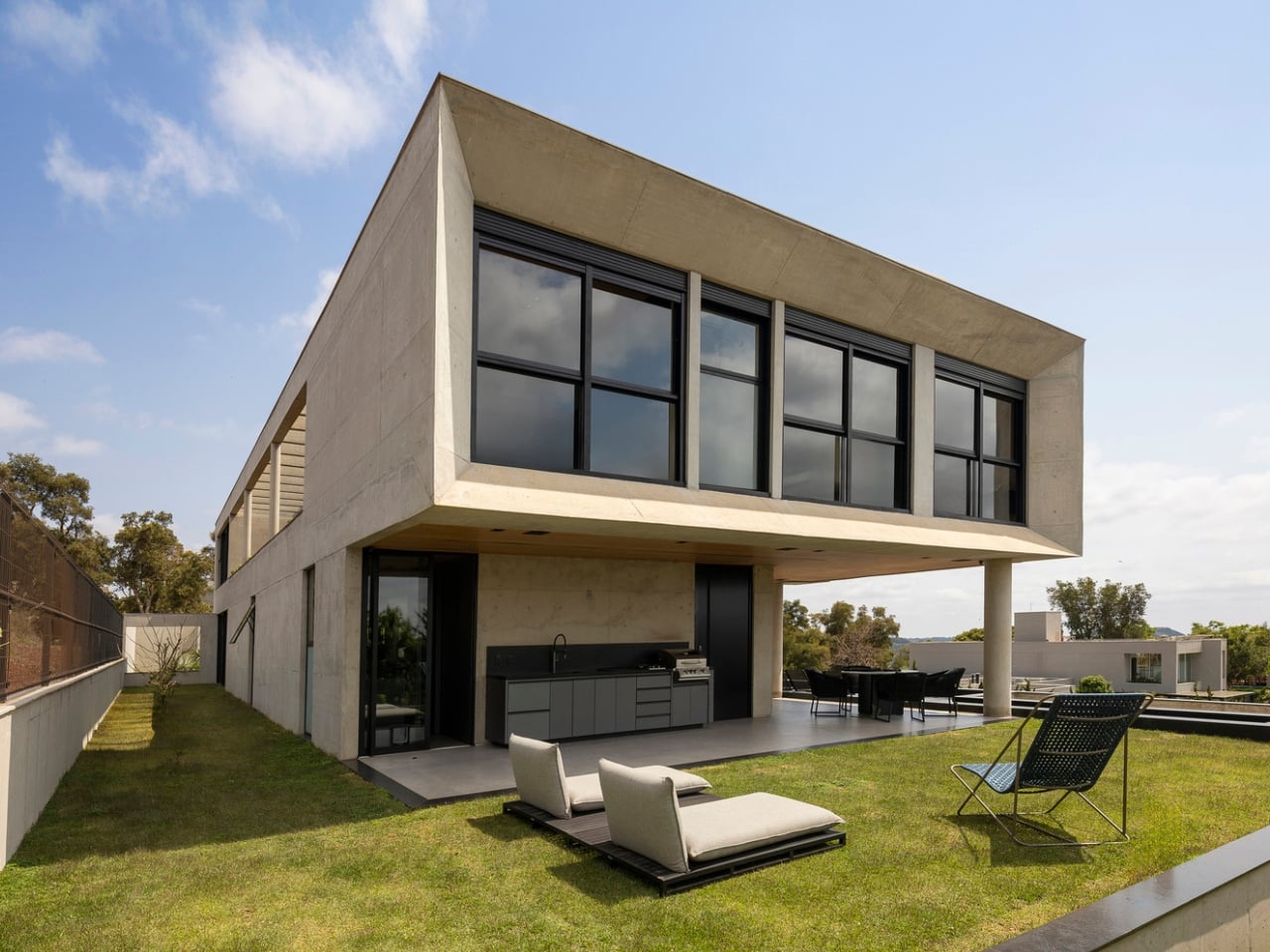
1 month agooversized boulders and native trees determine footprint of timber pavilion in brazil
Itupeva House integrates natural topography through a two-volume design using timber, concrete, and water, with boulders repositioned as landscape elements and structural features.
fromwww.theguardian.com
1 month agoThe river won': how campaigners in Brazilian Amazon stopped privatisation of waterway
The river won, the forest won, the memory of our ancestors won, said the campaigners in Santarem when it was clear their actions had forced the Brazilian government into a U-turn on plans to privatise one of the world's most beautiful waterways and expand its role as a soy canal.
Environment
fromCN Traveller
2 months agoIn Brazil's Costa Verde, local communities are tapping into the ancient stillness beneath their town's thrum
I remember this as I wend my way from Brazil's colossus, São Paulo, to the coastal enclave of Paraty on the Costa Verde, driving through tunnels of Atlantic Forest that filter blinking bars of light. Floral scents surf on warm air through the open window. The legendary Afro-Brazilian singer-songwriter of the 1960s Tropicalismo genre, who went on to become Brazil's first culture minister to advocate for national diversity, has performed at festivals in Paraty.
fromNature
2 months agoDeveloping super-tortillas to address malnutrition in Latin America
The humble tortilla is an iconic food staple in Mexico. Everyone eats them, regardless of age or income. The ingredients for the tortilla I was frying in this photo have been fermented to include probiotics and prebiotics for gut health. My research focuses on developing such fermented nutraceuticals - nutritious products with pharmaceutical benefits - to help improve people's metabolic health and combat the malnutrition prevalent in some of Mexico's poorest communities.
Food & drink
fromDaily Coffee News by Roast Magazine
2 months agoBrazilian Researchers Promote Targeted Application of Bees for Coffee
A small, stingless bee may be able to raise coffee yields while fitting into real-world pest control programs, according to a new study from Brazil. In a field study on full-sun arabica farms, researchers reported a 67% higher fruit yield on coffee branches closer to colonies of the native stingless bee Scaptotrigona depilis, compared with branches farther away. The study was recently published in Frontiers in Bee Science.
Coffee
fromwww.dw.com
1 month agoBrazil's soy industry gives deforestation a green light
A moratorium that has protected vital rainforest since 2009 is on shaky ground as several players from Brazil's soy industry say they are pulling out. Specifically, the Brazilian industry association ABIOVE, whose members include global companies such as Cofco International, Bunge, Amaggi and JBS, have said they will no longer refrain from growing soy on deforested land. Environmentalists fear this could fuel a new wave of Amazon logging.
Environment
fromThe Art Newspaper - International art news and events
1 month ago'These are dirty funds': Indigenous Brazilian leader slams Science Museum for oil sponsorship ahead of climate show
BP's sponsorship of the museum has long drawn ire, in part because the oil company pursues an "all out for oil and gas" strategy, including plans to exploit deep drilling at the recently discovered Burmerangue site off the coast of Brazil. The project has been criticised by campaigners and oil and gas unions due to its threat to ocean ecosystems, elevated carbon dioxide levels, and lack of revenue flowing back into the Brazilian economy.
Environment
fromwww.dw.com
2 months agoTanzania's Maasai, wildlife corridor face growing pressure
Established in 2007, the Enduimet WMA lies adjacent to Kilimanjaro National Park and the Kenyan border. It involves 11 Maasai villages in a community-based system that has long been presented as a model of conservation in Tanzania. Under its rules, around 2533% of revenue from tourism and hunting goes directly to village members through an elected representative body, in contrast to the 3% allocated in game reserves.
Environment
Environment
fromdesignboom | architecture & design magazine
2 months agoelevated linear park reclaims canal runing along brazilian city center
Doca Linear Park restores Belém’s waterfront by converting a 1.2 km buried canal into a continuous linear park integrating water, green infrastructure, and flood-resilient design.
fromwww.theguardian.com
2 months agoPostcard-pretty and filled with pollution: how Brazil's fishers are reviving Rio de Janeiro's famous bay
Raw sewage and solid waste flow into the bay from surrounding cities, home to more than 8 million people. Cargo ships and oil platforms chug in and out of commercial ports, while dozens of abandoned vessels lie rotting in the water. But at the head of the bay, between the cities of Itaborai and Mage, the environment feels different. The air is purer, the waters are empty but for small fishing canoes, and flocks of birds soar overhead.
Environment
Environment
fromwww.theguardian.com
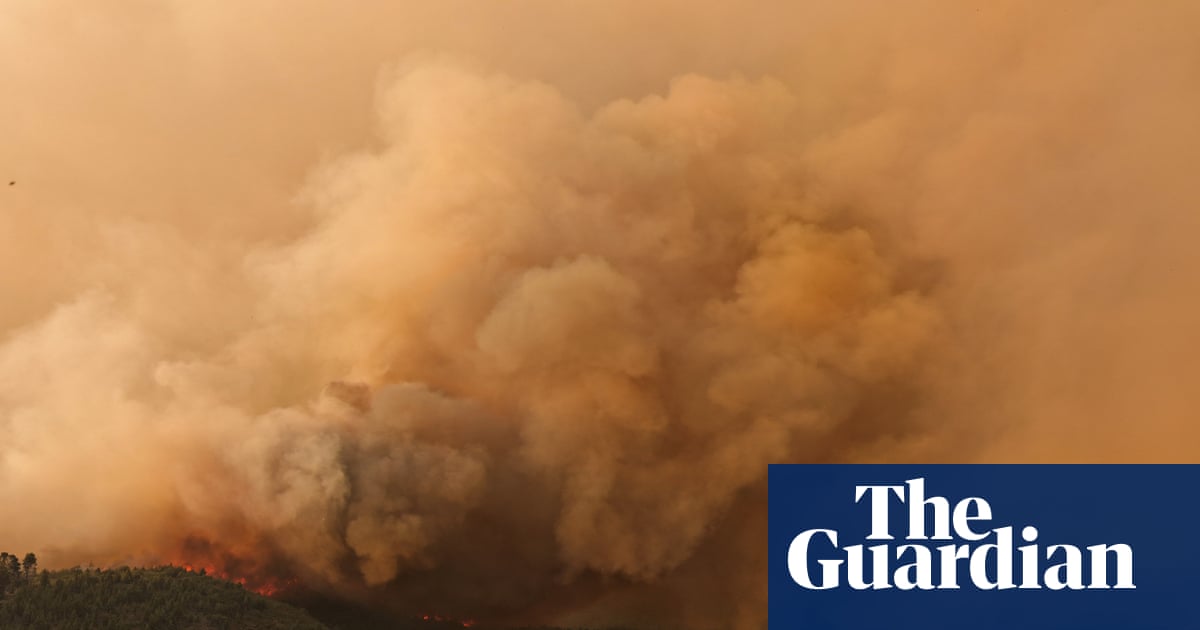
2 months agoPure apocalypse': a photographer's journey through the Pantanal wildfires
A documentary photographer documents catastrophic Pantanal and Amazon fires, chronicling environmental destruction, wildlife loss, and ongoing return visits to record the aftermath.
fromwww.theguardian.com
2 months agoWe're in danger of extinction': can Bolivia's water people' survive a rising tide of salt and migration?
In the small town of Chipaya, everything is dry. Only a few people walk along the sandy streets, and many houses look abandoned some secured with a padlock. The wind is so strong that it forces you to close your eyes. Chipaya lies on Bolivia's Altiplano, 35 miles from the Chilean border. The vast plateau, nearly 4,000 metres above sea level, feels almost empty of people and animals, its solitude framed by snow-capped volcanoes. It raises the question: can anybody possibly live here?
Environment
[ Load more ]