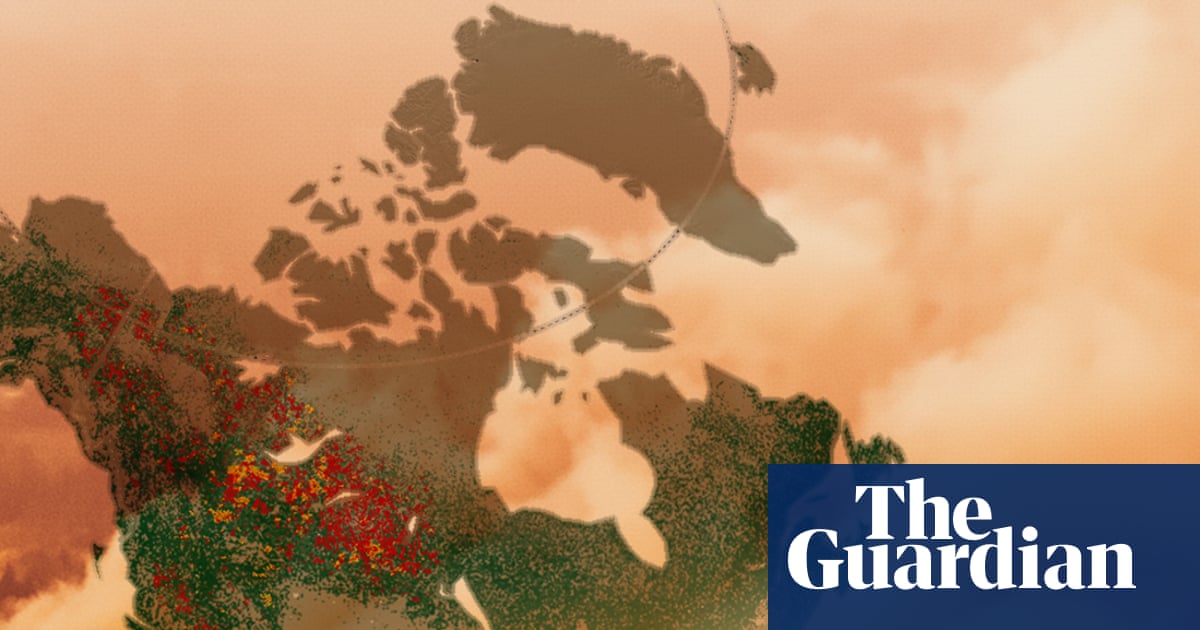
"The world is losing forests to fire at an unsustainable rate, experts have warned. Wildfires have always been part of nature's cycle, but in recent decades their scale, frequency and intensity in carbon-rich forests have surged. Research from the World Resources Institute (WRI) shows that fires now destroy more than twice as much tree cover as they did two decades ago. In 2024 alone, 135,000km of forest burned the most extreme wildfire year on record."
"While the total area burned globally has fallen for decades as farms have expanded across Africa and slowed the spread of blazes forests have become a new hotspot. The rise in forest fires is unmistakable. Four of the five worst years on record have occurred since 2020. Research from the WRI shows that 2024 was the first time that major fires raged across tropical, hot and humid forests such as the Amazon, and boreal forests, such as those spanning Canada's vast coniferous regions."
"Russia has suffered three of its worst fire seasons on record since 2020, with 2021 the most severe. About 45,000 km2 of forest was burned mainly across Siberia and Russia's far east. The fires extended so far north that they reached permafrost regions within the Arctic Circle, and in 2021, satellite sensors recorded the northernmost wildfire ever recorded. As more permafrost thaws drying soil, warming air, and reducing humidity scientists expect an abrupt increase in wildfires."
Global forest fires have surged in scale, frequency and intensity, causing more than double the tree-cover loss compared with two decades ago. In 2024, about 135,000 km of forest burned, marking the most extreme wildfire year on record. Forests have become a new hotspot even as total global burned area fell elsewhere due to agricultural expansion. Four of the five worst fire years have occurred since 2020, with major fires reaching tropical humid forests like the Amazon and extensive boreal regions in Canada and Russia. Permafrost thaw, drying soils, heatwaves and reduced humidity are increasing the risk of abrupt, extreme wildfires.
Read at www.theguardian.com
Unable to calculate read time
Collection
[
|
...
]