"With this money we can have a proper floor in the house, and an inside toilet. This will be truly transformative, both for nature and for the people, said the president of the self-governing region, Felipe Nascimento. The special nature of Principe's flora and fauna has been known since the 20-mile-long island was stumbled upon by Portuguese navigators in 1471."
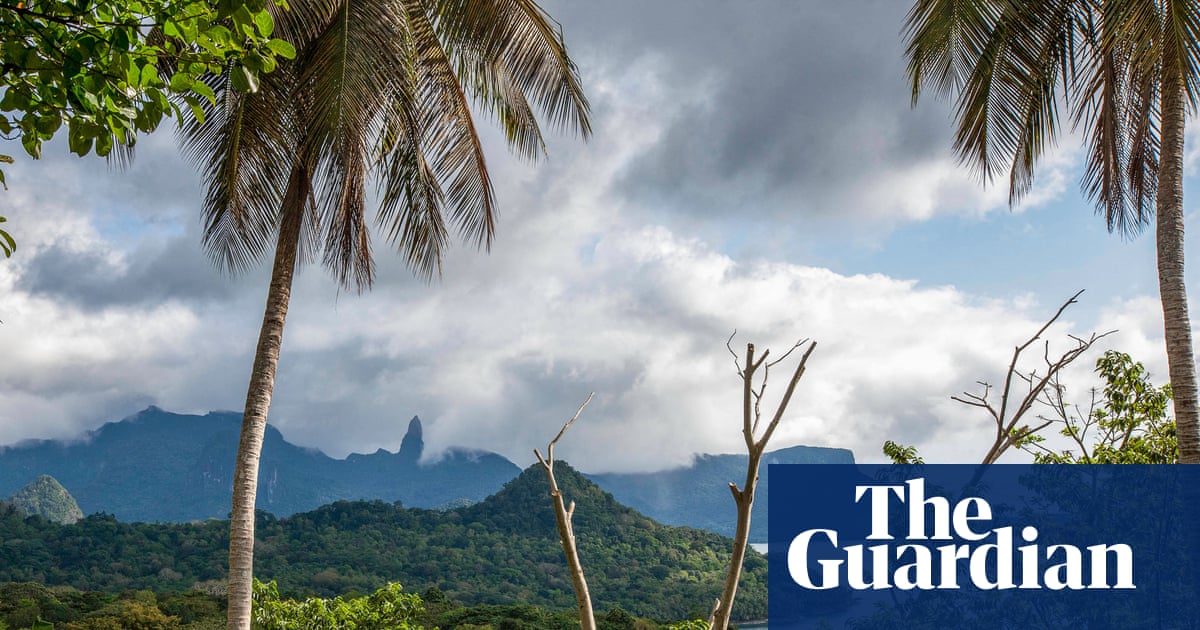
"Uninhabited and separated from the African mainland by over 160 miles of ocean, both Principe and its larger southern neighbour, Sao Tome, had evolved unique rainforests where giant land snails and crabs were among the top predators. Even now, new species are still being discovered, leading to the nickname African Galapagos."
"On Principe, the descendants of slaves and labourers from Angola and Cabo Verde became tight-knit communities of subsistence farmers, camping out in the increasingly decrepit colonial-era buildings. For the occasional visitor, it was picturesque, but problems were mounting for residents who were being pushed deeper into unexplored parts of the island, cutting trees and foraging."
Principe, a West African island known for unique endemic species, has implemented a groundbreaking conservation program through the Faya Foundation. Agricultural workers and villagers who agree to follow environmental protection codes receive quarterly dividend payments. Nearly 3,000 residents, representing over 60% of the adult population, have enrolled in the project. The first payment of €816 was recently distributed, representing substantial income for island residents. This initiative addresses historical economic decline following the collapse of the Portuguese cacao plantation economy after independence in 1975. The program aims to provide economic benefits while protecting Principe's distinctive rainforests and endemic wildlife, including species found nowhere else on Earth.
#conservation-incentives #environmental-protection #biodiversity-preservation #economic-development #island-sustainability
Read at www.theguardian.com
Unable to calculate read time
Collection
[
|
...
]