Arts
fromwww.nytimes.com
3 days ago11 Masks That Define World Culture
Ancient masks from various cultures symbolize permanence, collective identity, and artistic mastery, reflecting their cultural significance and craftsmanship.
Keepers of the Steps, the living archive and cultural program at the United Irish Cultural Center dedicated to preserving generations of Bay Area Irish dancers, teachers, and families. Through stories, images, and lived experience, we'll reflect on how dance carries lineage, identity, and community forward.
Part of the answer lies in the visceral nature of the game. Unlike chess, football is physical to the point of absurdity. Grown adults in body armor crash into each other over what is essentially a leather egg. There's drama in every play. You don't need a PhD in physics to appreciate a one-handed catch while somersaulting over a defender like a caffeinated acrobat.
The Stasi, the secret police, were legendary for their data files. Their work was based on instilling fear, and they induced stunningly amazing numbers of East Germans into informing on their neighbors. Something along the lines of 1 in 6 East Germans were informants, whether out of fear or out of approval of what the East German government was doing.
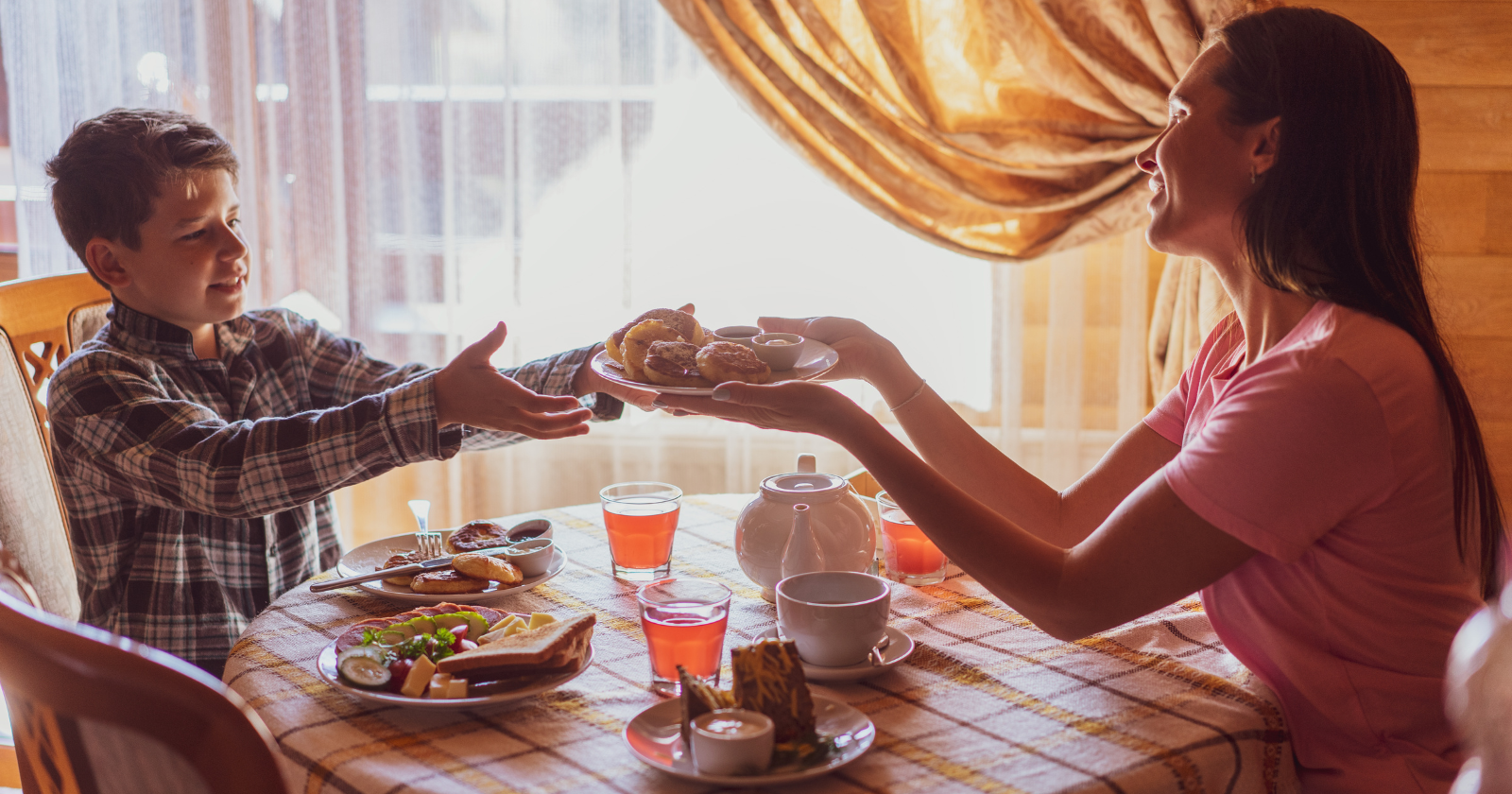
I noticed this shift in my own life when I started having dinner with my partner most nights, phones deliberately tucked away in another room. We made this change after too many evenings disappeared into "just checking one thing" that turned into hours of parallel scrolling. The difference was immediate and profound. Conversations went deeper. We actually looked at each other. Time seemed to stretch in the best possible way.
The festival of Pailhasses is one of France's most ancient carnival traditions. Celebrating the end of a longstanding rivalry with a neighbouring village, it has for more than 700 years allowed villagers to release frustrations before Lent. Its rituals are about strength, chasing and some form of attack. It is also notoriously secretive.
His investigation began after identifying recurring giant T-shapes, three-level indents, and step pyramids carved into ancient stones worldwide. 'These specific symbols that are built in different size proportions, and the symbols are found in ancient stones around the world, are not supposed to exist; no cultures are supposed to have any cross-platform,' LaCroix explained. The symbols appear in locations ranging from Turkey's Van region to South America and Cambodia.
Tattoos and fermentation rarely appear in the same conversation, yet across the world, they share a quiet kinship. Both are practices of transformation, crafts that reshape raw material over time through care and relationships to the land, the spiritual, and the community. Tattooing inscribes identity and ancestry onto skin, while fermentation preserves, nourishes, and binds communities through shared taste and ritual. Both create change, brewing something more than themselves through embodied knowledge passed between generations.
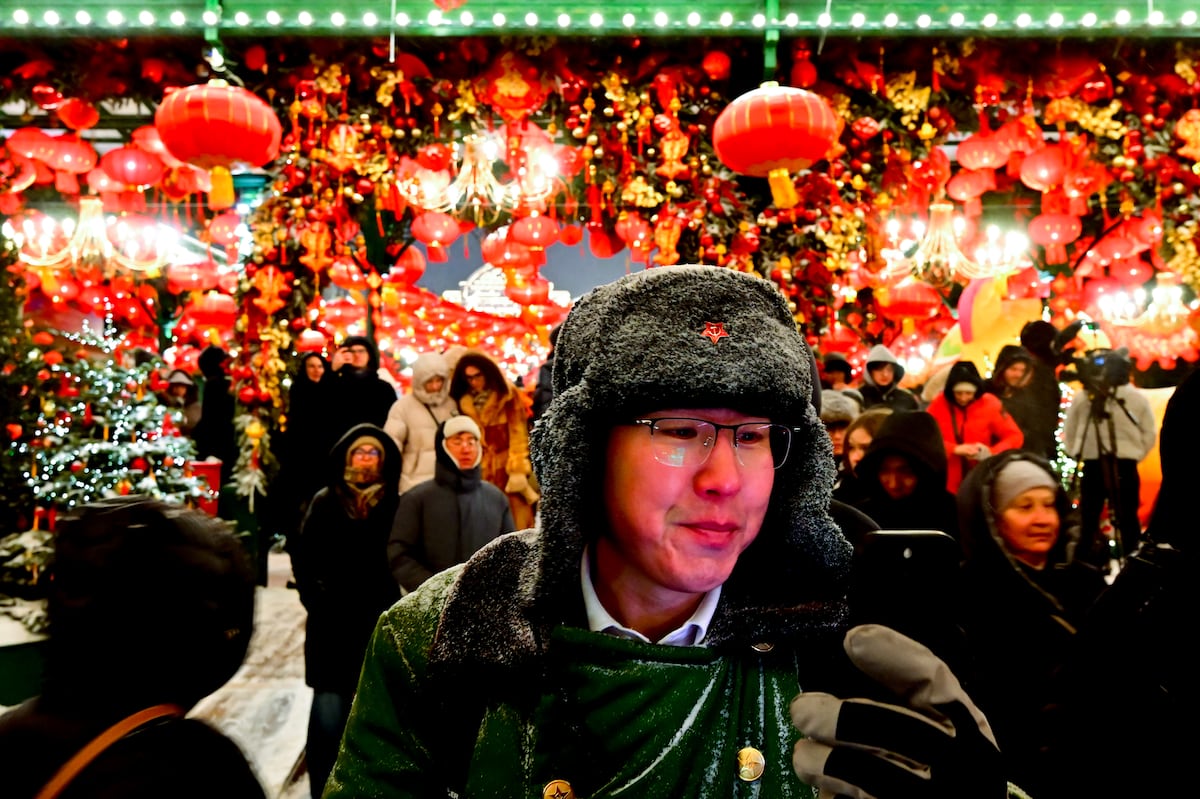
I was thirty-eight years old the first time I stopped performing at Chinese New Year dinner. Not dramatically-I didn't stand up and deliver a monologue about authenticity or announce that I was done pretending. I just stopped smiling when I wasn't amused. I stopped nodding when I disagreed. I stopped telling my aunt that her unsolicited career advice was helpful when it wasn't. I stopped pretending that the version of me sitting at that table was the real one.