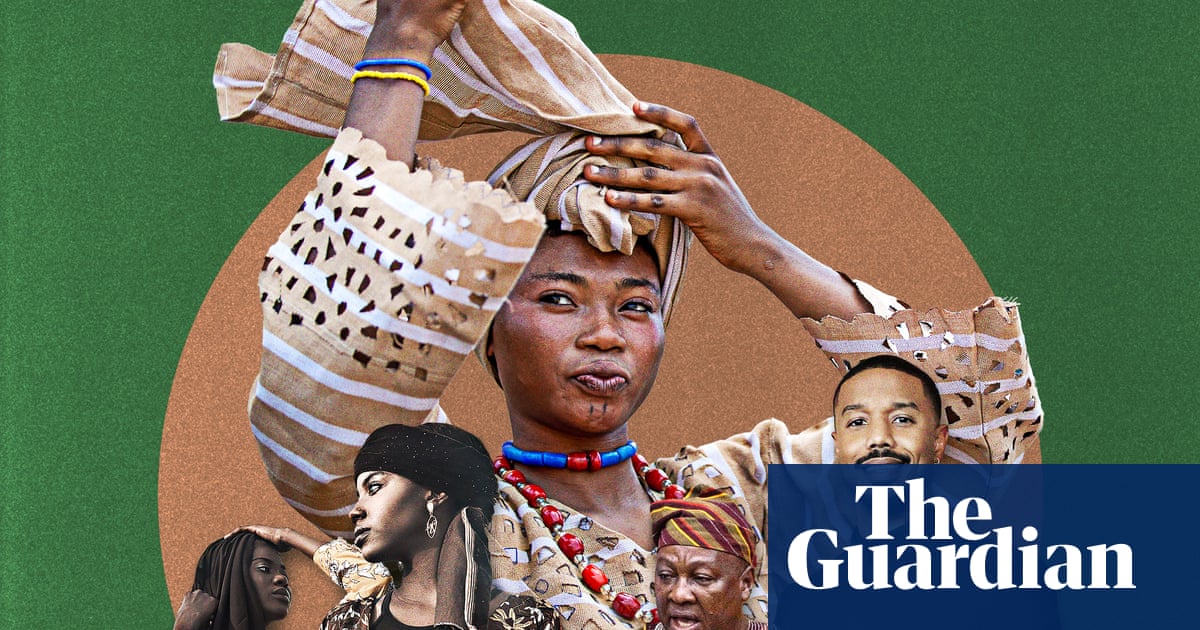
Ghana's president wearing traditional fugu attire sparked social media mockery, leading the government to establish Fugu Day to promote traditional dress. This incident prompted broader discussion about the politics of wearing traditional clothing across Africa. The prevalence of traditional dress varies significantly by country: Sudan, Nigeria, and Morocco see regular everyday wear of traditional garments like galabeyahs, thobes, and kaftans. Conversely, in Nairobi, Johannesburg, and Cape Town, traditional clothing appears primarily at ceremonial events, with Western dress dominating daily life. This variation may stem from factors including the number of distinct ethnic groups within nations and the lasting effects of colonial influence on cultural practices.
"In Sudan, the male galabeya and female thobe are worn by everyone, depending on the context. Both are staples - on weekends, at events and on casual errands. Nigerians in Nigeria wear their traditional clothes just as regularly, Long Wave editor Dipo, who enjoys wearing a kaftan when in Lagos, tells me. In Morocco, I saw kaftans everywhere, worn by men and women."
"But in Nairobi, I was struck by how traditional clothing is rarely seen outside ceremonial events. The same goes for Johannesburg and Cape Town. Generic basic western dress is so the norm that if you closed your eyes, you could be anywhere. Some of that is probably down to the fact that in some countries, such as Kenya, there are so many tribes with their own micro-dress climates that nothing totemic of the entire nation has emerged."
#traditional-african-clothing #cultural-identity #colonial-legacy #pan-african-perspectives #dress-politics
Read at www.theguardian.com
Unable to calculate read time
Collection
[
|
...
]