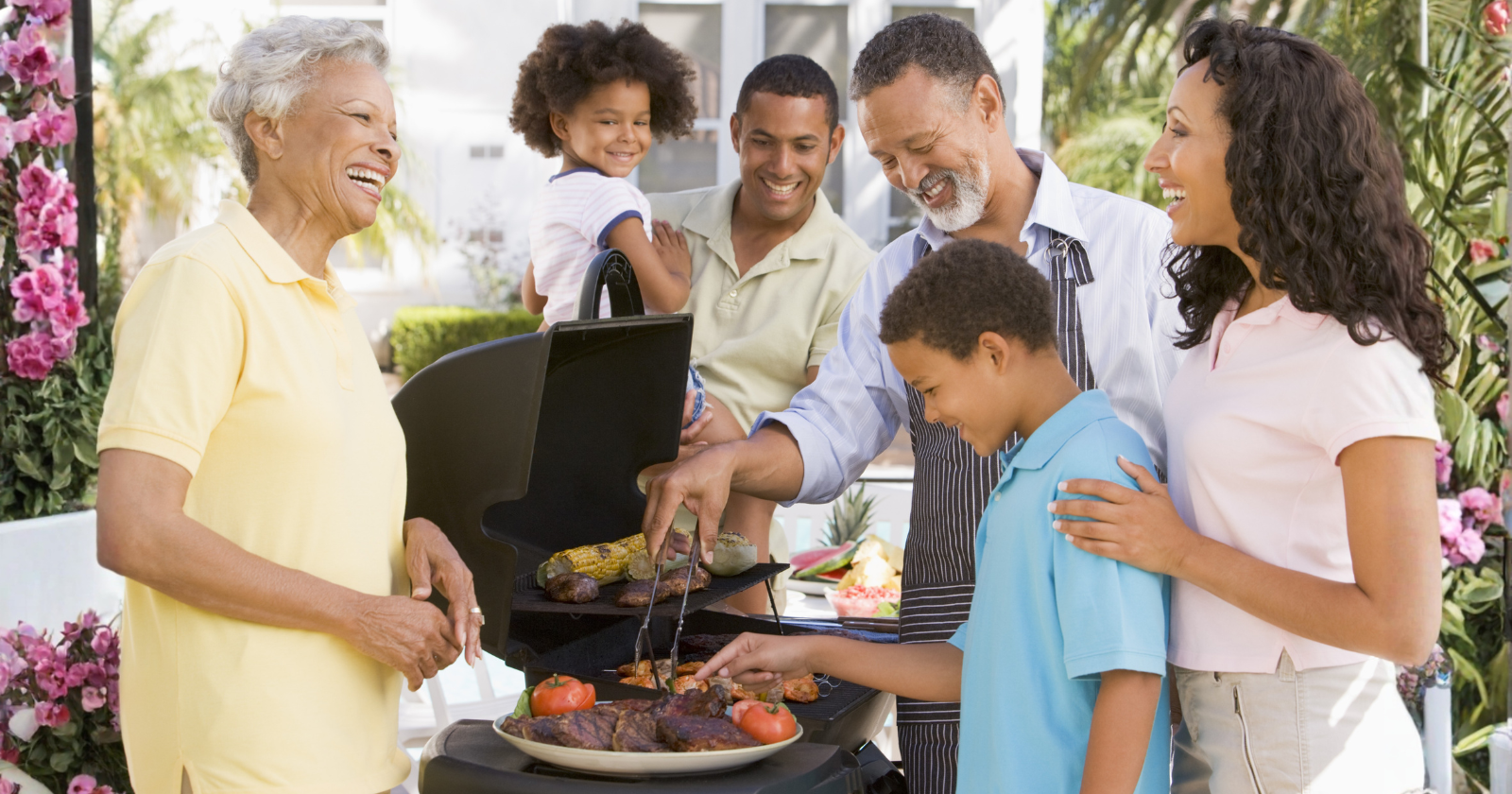
"Every week without fail, three generations crammed around a table barely big enough for six, passing roast potatoes and arguing about everything from local politics to whether United deserved their latest win. These days, when I visit my parents, we still eat together, but everyone's checking their phones between bites. My nephew watches YouTube videos with one earphone in. My sister scrolls Instagram while half-listening to Dad's stories. We're physically present but mentally scattered across a dozen different digital spaces."
"Remember when families would pile into the car just to drive? No GPS destination, no urgent errands-just windows down, radio on, and conversations that meandered like the roads themselves. What made these drives special wasn't the destination but the journey itself. Trapped in a moving metal box together, families had no choice but to talk, sing along to the radio, or play silly games like counting red cars."
Three-generation Sunday dinners once gathered families around a crowded table for conversation, shared food, and unfiltered presence. Modern family meals often involve fragmented attention as relatives check phones, watch videos, or scroll social media, creating physical proximity but mental separation. The 1960s and 1970s contained recurring weekend rituals that encouraged being present and connected. Aimless Sunday drives exemplified those rituals: no destination, radio on, spontaneous stops, and confined conversations that fostered intimacy. The journey, rather than the endpoint, created opportunities for storytelling, play, and intergenerational connection now challenged by individual screens and on-demand audio.
Read at Silicon Canals
Unable to calculate read time
Collection
[
|
...
]