#weather-driven-disease-risk
#weather-driven-disease-risk
[ follow ]
#climate-change #public-health #heat-wave #extreme-weather #drought #wildfires #heatwave #temperature-records






fromwww.theguardian.com
2 days agoThree disasters in three years: Brazil's deadly floods show women are the first to die' when extreme weather hits
The mudslide in Petropolis in February 2022 killed 233 people, and displaced many more. Over the past decade, climate-related disasters have displaced 250 million people globally, equivalent to 70,000 people forced from their homes every day.
Environment
#heat-wave


San Francisco
fromABC7 San Francisco
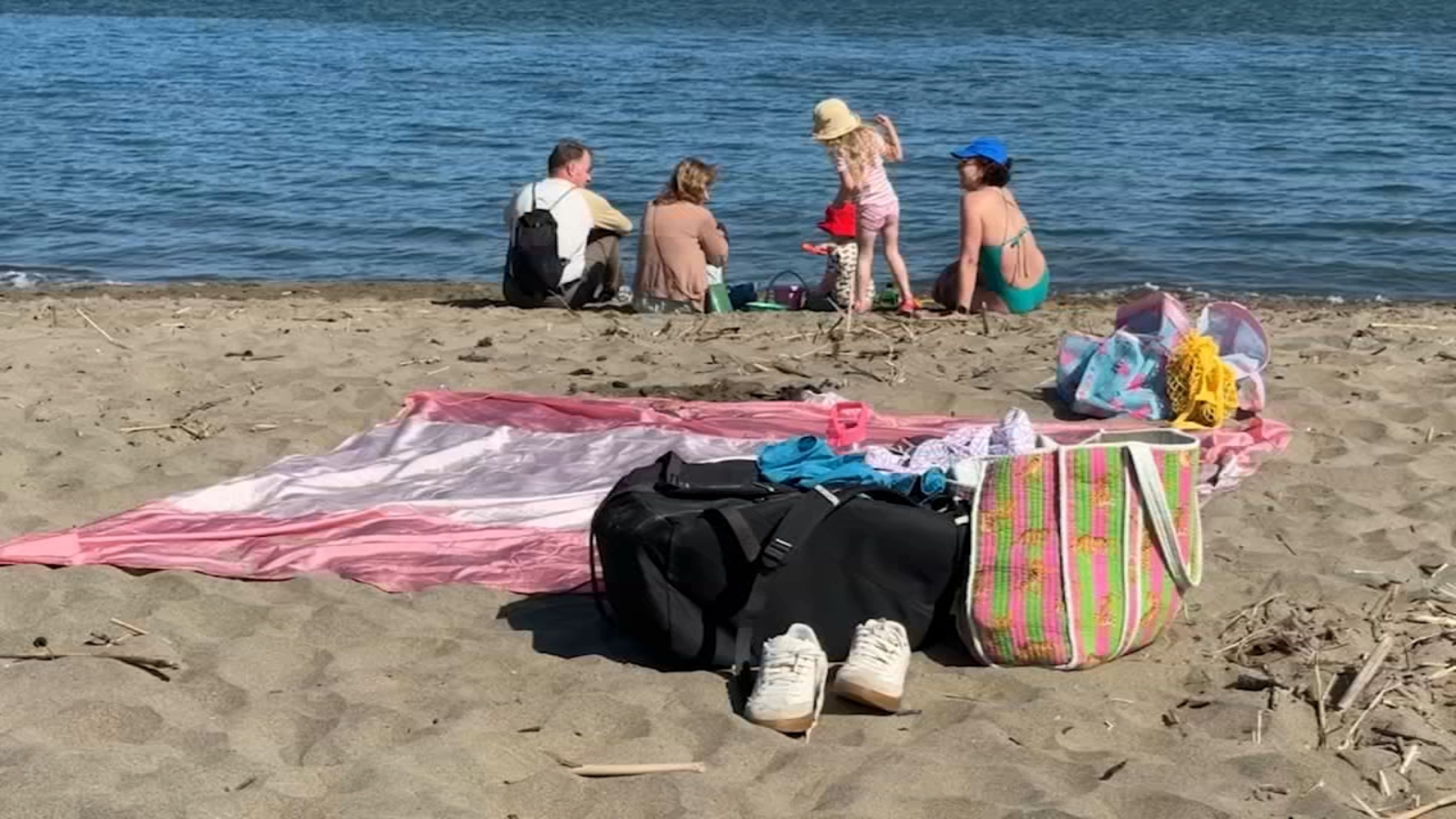
1 month agoHere are some ways to prepare as record-breaking March heat hits the Bay Area
The Bay Area faces an unprecedented March heat wave with record-breaking temperatures and a heat advisory through Friday, prompting officials to urge residents to take safety precautions.
Health
fromwww.theguardian.com
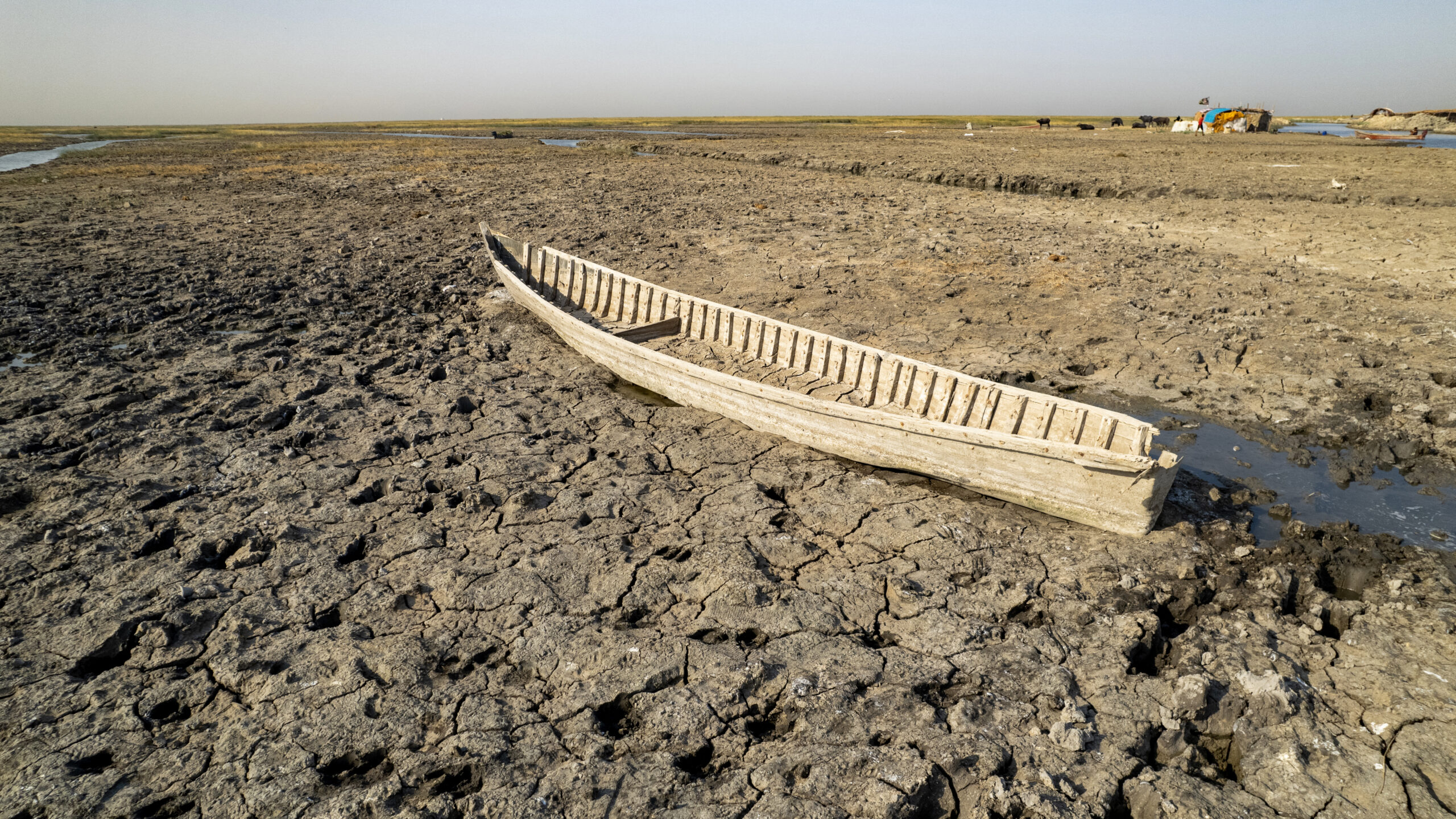
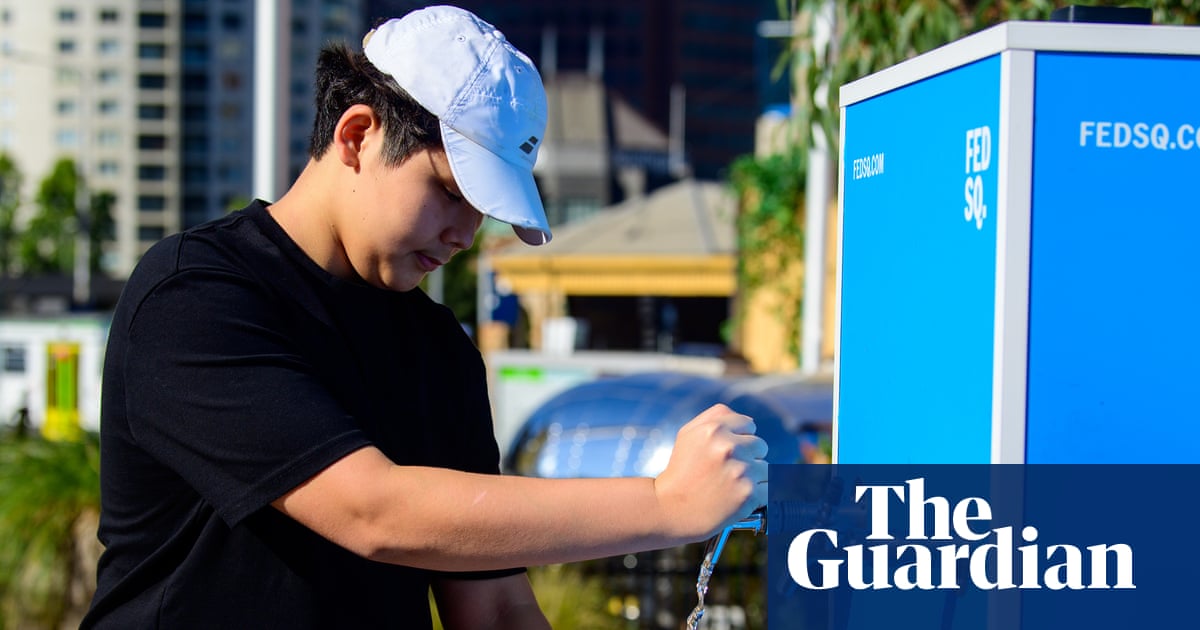
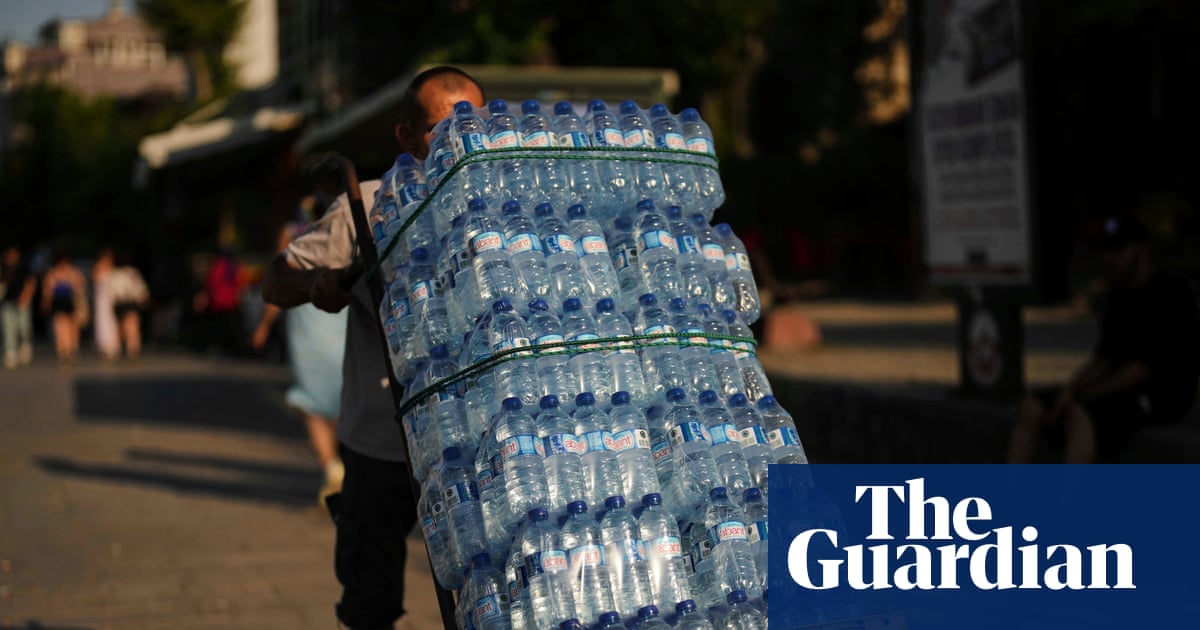
1 month agoReduced physical activity due to global heating will lead to rise in health issues, study says
Rising temperatures reduce physical activity globally, with each month above 27.8°C increasing inactivity by 1.5 percentage points, projecting half a million additional premature deaths annually by 2050.
fromMail Online
1 month agoHazardous weather alert for 200 million as megastorm barrels across US
The storm from Sunday into Monday has the potential to become a bomb cyclone, which occurs when central pressure drops at least 0.71 inches of mercury (24 millibars) in 24 hours or less. That rapid strengthening would generate an expansive and intense wind field.
Chicago
fromMail Online
1 month agoRevealed: How many will DIE by 2050 if we don't curb climate change
Rising temperatures are projected to increase the prevalence of physical inactivity, translating into additional premature deaths and productivity losses, especially in tropical regions. Prioritising heat-adaptive urban design, subsidised climate-controlled exercise facilities, and targeted heat-risk communication is essential to mitigate these emerging health and economic burdens, in addition to ambitious emissions reductions.
Public health
fromwww.theguardian.com
2 months agoSeasons have become confused': the people struggling in UK's relentless rain
I do understand that you're going to get some rain in winter, but it has definitely got worse. Even if you do manage to work for a day, it's punctuated by periods of an hour and a half of rain where you're sitting in your truck doing nothing. Before, I used to think, a day off, that's great. But now you think, oh, jeez, not another day off!
Agriculture
fromNature
1 month agoClimate shocks, not just warming, threaten malaria control efforts in Africa
Temperature and rainfall influence where malaria-carrying mosquitoes such as Anopheles species can survive and how well malaria parasites, such as Plasmodium falciparum, develop in them. Past predictions have been inconsistent and have often focused on where malaria might spread, rather than on how severely it could intensify where it already exists.
Coronavirus
fromwww.theguardian.com
2 months agoExtreme heat lab: enduring the climate of the future
"So whenever people think about hot weather, they always talk about the temperature," he says. "There's two issues with that. First of all, most people don't realise that the temperature is measured in the shade. So if you're in direct solar radiation, the amount of heat stress you're exposed to is much greater as it will stress your body out a lot more."
Public health
Environment
fromLos Angeles Times
1 month agoCalifornia's snowpack was already meager. Now comes an extraordinary heat wave
California's Sierra Nevada snowpack is at 48% of average due to an extremely warm winter, with rapid melting accelerated by an incoming heat wave threatening the state's water supply.
Environment
fromwww.theguardian.com
1 month agoA sobering preview': extreme heat now affects one in three people globally, study finds
One-third of the world's population now lives in areas where extreme heat severely restricts safe daily activities, with elderly people experiencing over 900 hours annually of heat-limited outdoor time.
Environment
fromPsychology Today
1 month agoOur Missing Climate Tools Are Psychological and Evolutionary
Humans must evolve culturally and deliberately through effective decision-making to manage climate challenges, overcoming short-term thinking as animals demonstrate rapid evolutionary adaptation to environmental change.
fromNature
1 month agoThe world is getting hotter faster - its pace nearly doubled in the past decade
Because the past three years have shattered temperature records, researchers have been exploring whether global warming is accelerating, and if so, why. Many scientists agree that the rate at which it is increasing has picked up. This is mainly because of a reduction in air pollution following the introduction of fuel regulations for international shipping (which has resulted in fewer pollutant particles that reflect sunlight into space and seed insulating clouds).
Environment
fromArs Technica
2 months agoCOVID-19 cleared the skies but also supercharged methane emissions
The remaining question, though, was where all this methane was coming from in the first place. Throughout the pandemic, there was speculation that the surge might be caused by super-emitter events in the oil and gas sector, or perhaps a lack of maintenance on leaky infrastructure during lockdowns. But the new research suggests that the source of these emissions was not what many expected. The microbial surge
Environment
[ Load more ]