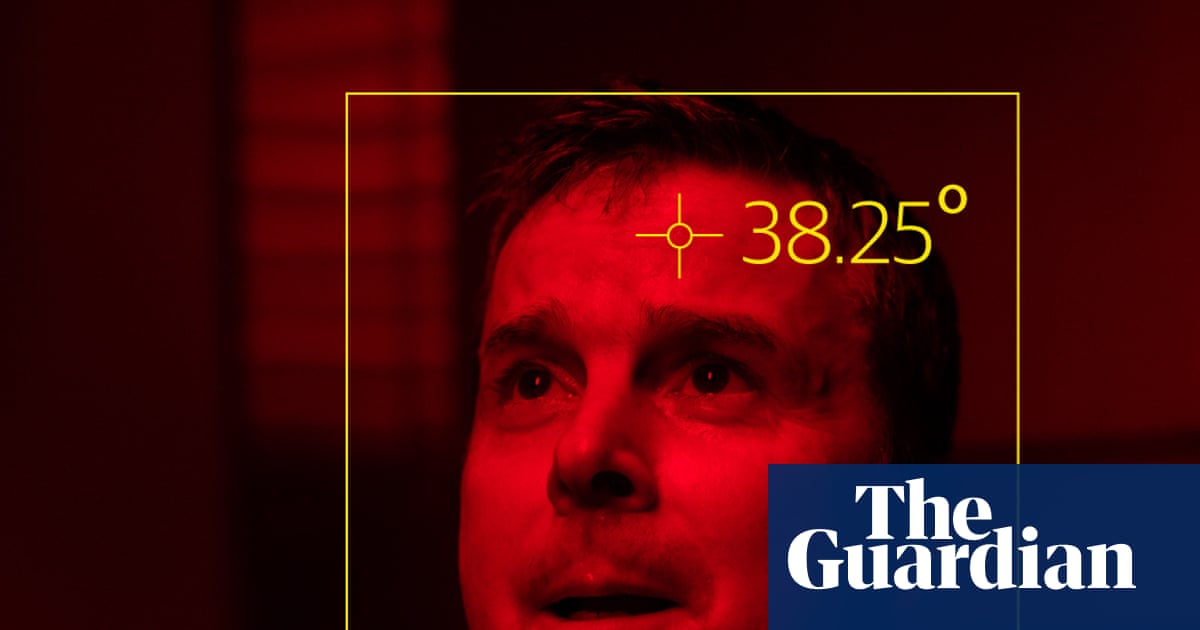
""So whenever people think about hot weather, they always talk about the temperature," he says. "There's two issues with that. First of all, most people don't realise that the temperature is measured in the shade. So if you're in direct solar radiation, the amount of heat stress you're exposed to is much greater as it will stress your body out a lot more.""
""Humidity is the amount of water vapour that's in the air. And the reason that's important is that the only way in which your body can physiologically keep cool is that you produce sweat. "But it's not production of sweat that cools you down. It's the evaporation of sweat and it's the humidity in the air that prevents that sweat from evaporating, even though the ambient temperature might be the same.""
Temperature is measured in the shade, so exposure to direct solar radiation substantially increases heat stress beyond ambient temperature readings. Humidity denotes the amount of water vapour in the air and inhibits sweat evaporation, which is the physiological mechanism that cools the body. Producing sweat alone does not cool; evaporation removes heat. When high humidity coincides with extreme temperatures the body cannot effectively evaporate sweat and cannot cool itself, making heat potentially deadly. Even 36% relative humidity at 43°C contains substantial moisture because warm air holds more water, producing a 'feels like' temperature above 49°C (120°F).
Read at www.theguardian.com
Unable to calculate read time
Collection
[
|
...
]