Animals including elephants, birds, and marine mammals are evolving and adapting to climate change faster than scientists previously believed possible. Elephants in Mozambique demonstrate genetic evolution within 15 years, with tusk-related genes appearing in response to poaching pressure. Behavioral, cultural, and genetic evolution occur rapidly when environments shift quickly. Humans possess unique advantages through anticipation, envisioning alternatives, and proactive future-building capabilities. Effective climate action requires combining climate science, engineering expertise, and psychology to address decision-making flaws. Short-termism—prioritizing immediate costs over long-term dangers—represents a destructive cognitive bias that must be overcome. Humans are not inherently wired to fail against climate challenges but require deliberate cultural evolution and improved decision-making processes.
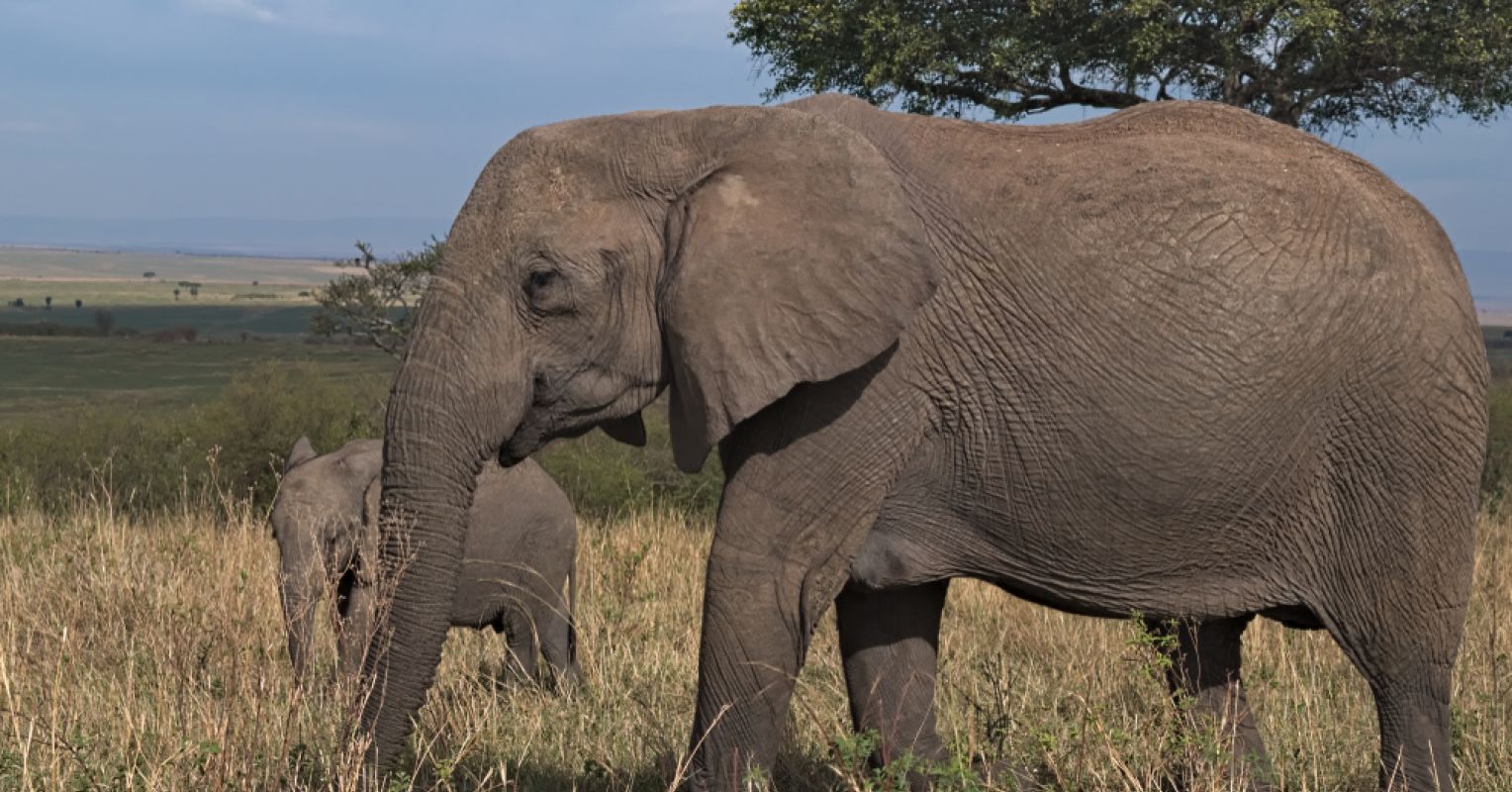
"Behavioral, cultural, and even genetic evolution occur remarkably fast when the environment shifts rapidly. Consider one recent striking example in mammals: After 15 years of rampant ivory poaching in Mozambique, the percentage of female elephants born without tusks rose from 19% to 51%. In that short span, at least two tusk-related genes appeared."
"We will manage our climate challenges effectively only by evolving more rapidly and deliberately. We can do this by taking fuller advantage of our abilities to anticipate what lies ahead, envision alternative possibilities, and proactively build the future we want and need."
"Adding psychology to climate science and engineering prowess would complete the three-legged stool that could support and sustain successful climate action. Our default decision-making processes routinely show imperfections that we can and must overcome."
#climate-adaptation #evolutionary-biology #decision-making-psychology #short-termism-bias #cultural-evolution
Read at Psychology Today
Unable to calculate read time
Collection
[
|
...
]