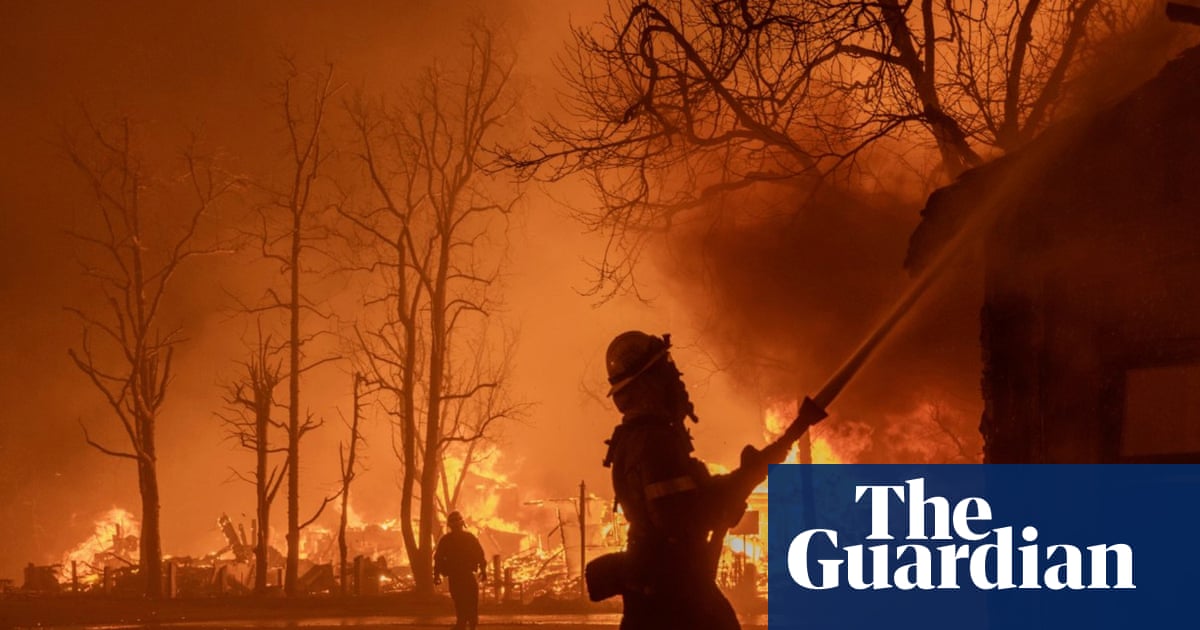
"Countries may not have enough resources to put out all the fires, and help will not be as likely to come from neighbors busy with their own flames, according to the authors of a study in Wednesday's Science Advances. In 1979 and for the next 15 years, the world averaged 22 synchronous fire weather days a year for flames that stayed within large global regions, the study found. In 2023 and 2024, it was up to more than 60 days a year."
"The researchers did not look at fires but weather conditions: warm, with strong winds and dry air and ground. It increases the likelihood of widespread fire outbreaks, but the weather is one dimension, said study lead author Cong Yin, a fire researcher at University of California, Merced. The other big ingredients to fires are oxygen, fuel such as trees and brush, and ignition such as lightning or arson or human accidents."
The number of hot, dry, windy days ideal for extreme wildfires has nearly tripled globally over the past 45 years, with larger increases in the Americas. More than half of the rise in these fire-favorable days is attributed to human-caused climate change. Synchronous fire weather—when multiple places simultaneously experience conditions conducive to fire—has grown from about 22 days per year (1979–1994) to over 60 days in 2023–2024 for large regions. Increased synchronous fire weather raises the risk of widespread, hard-to-suppress outbreaks and can strain or overwhelm firefighting resources. Weather is one of several factors necessary for fires, alongside fuel and ignition.
Read at www.theguardian.com
Unable to calculate read time
Collection
[
|
...
]