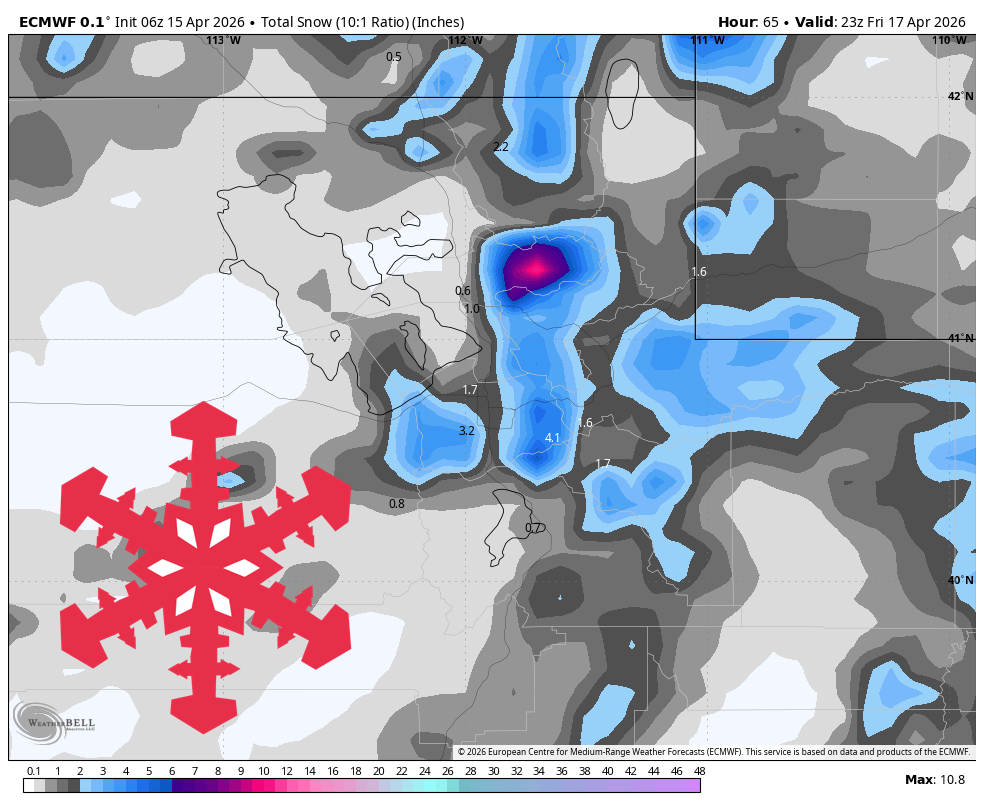
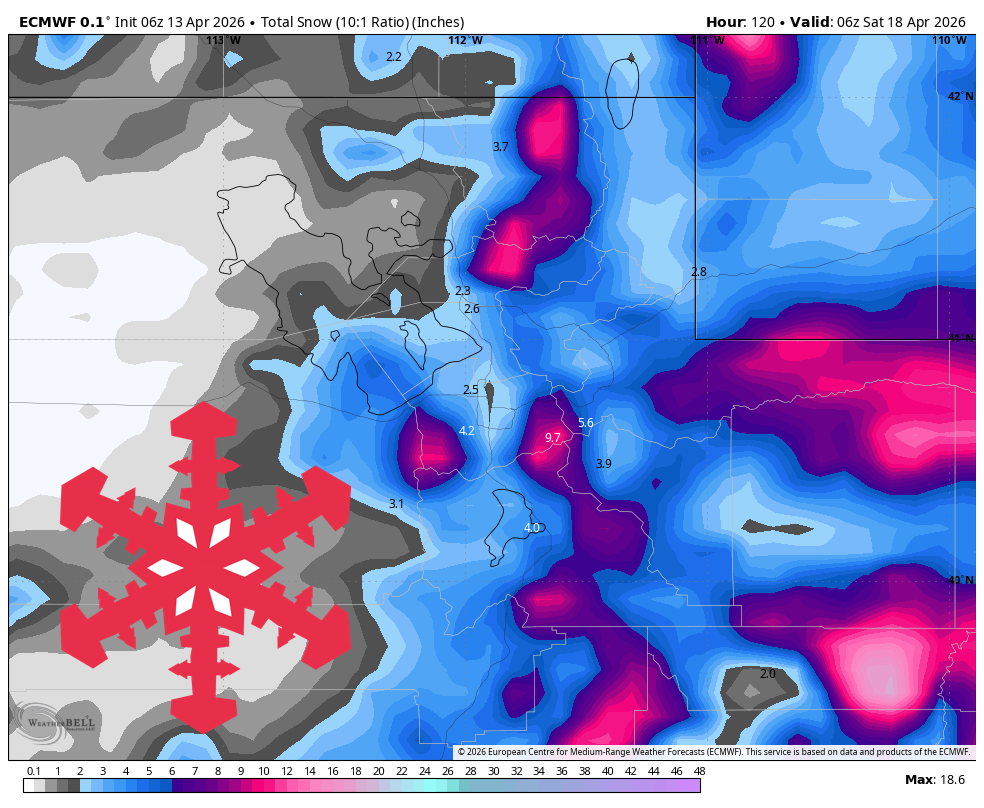
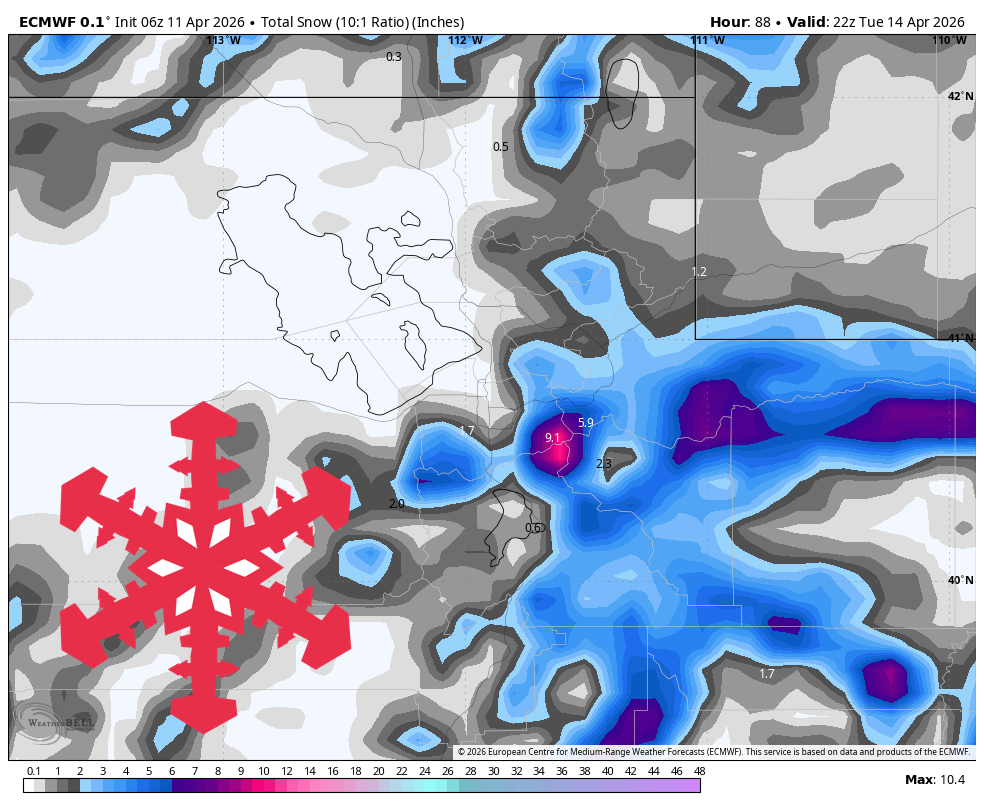
Avalanche forecaster Matthias Walcher explained that water is now penetrating deep into the snowpack, weakening long-standing weak layers that formed earlier in the winter. This process significantly increases the likelihood of spontaneous wet avalanches, particularly on steep west-, north-, and east-facing slopes between 2,200 and 2,500 meters.
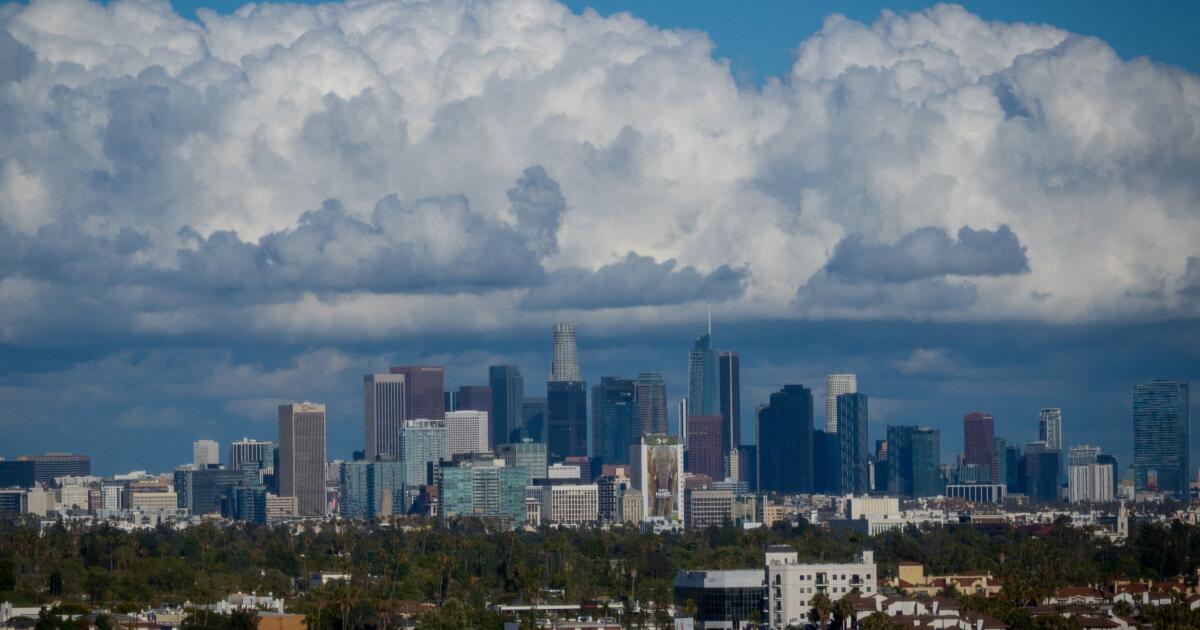
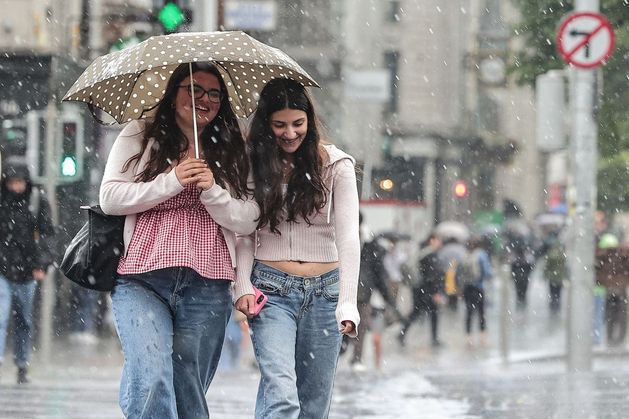
Parts of Los Angeles will probably see rain after 11 p.m. Saturday, with scattered showers anticipated on Sunday afternoon before 2, and a potential for thunderstorms in some parts of the city.
California's ski season was largely dry and warm, with only 18% of average snowpack by April 1, marking the second-lowest on record. Despite some quality skiing opportunities around Christmas and early January, the overall season remained disappointing.
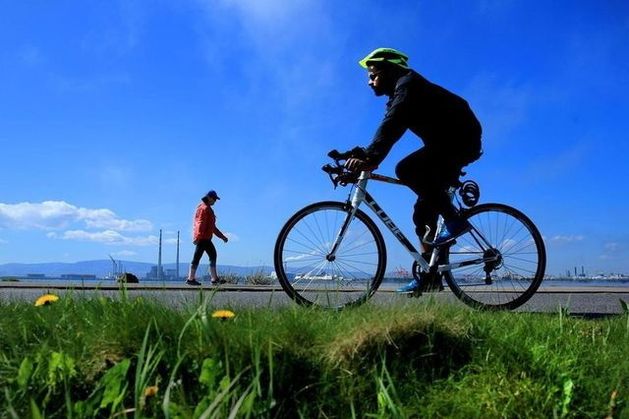
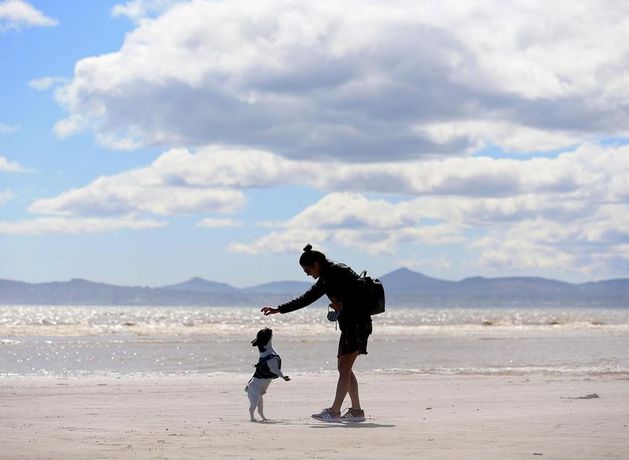
Today, on this Bank Holiday Monday, dry for many and quite cloudy, though there will be a few sunny breaks mainly in the east. There'll also be some patchy rain, drizzle and mist around too, but mainly in the west.
Afghanistan's National Disaster Management Authority reported that 28 people have been killed in the floods and 49 injured, with more than 100 homes destroyed. Most of the deaths were reported in central and eastern provinces, including Parwan, Maidan Wardak, Daikundi, and Logar.
The Mount Hotham Airport station recorded a temperature of 0.9°C on Thursday, with a feels-like temperature of -5.1°C and strong south-southwest winds gusting over 30 km/h. The resort's weather station also recorded the coldest reading in the state, at -2.2°C at a nearby monitoring point.
In March, we expect mercurial weather- intrat leo, exeunt agnus-but this March has taken things to an extreme. In Washington, D.C., where I live, the weather was eighty-four degrees and sunny one day, then just above freezing and snowing the next.