#utensil-care
#utensil-care
[ follow ]


fromTasting Table
4 days agoMake Pewter Shiny Again With Ketchup, Vinegar, And Other Kitchen Staples - Tasting Table
Pewter is a tin-based alloy, now made with mostly tin plus small amounts of other metals for extra strength, including copper, antimony, and bismuth - but never the dangerous lead as in days gone by.
Cooking
#kitchen-cleaning
Everyday cooking
fromTasting Table
1 month agoDirty Kitchen Walls? Look For These Types Of Sponges To Get The Job Done Right - Tasting Table
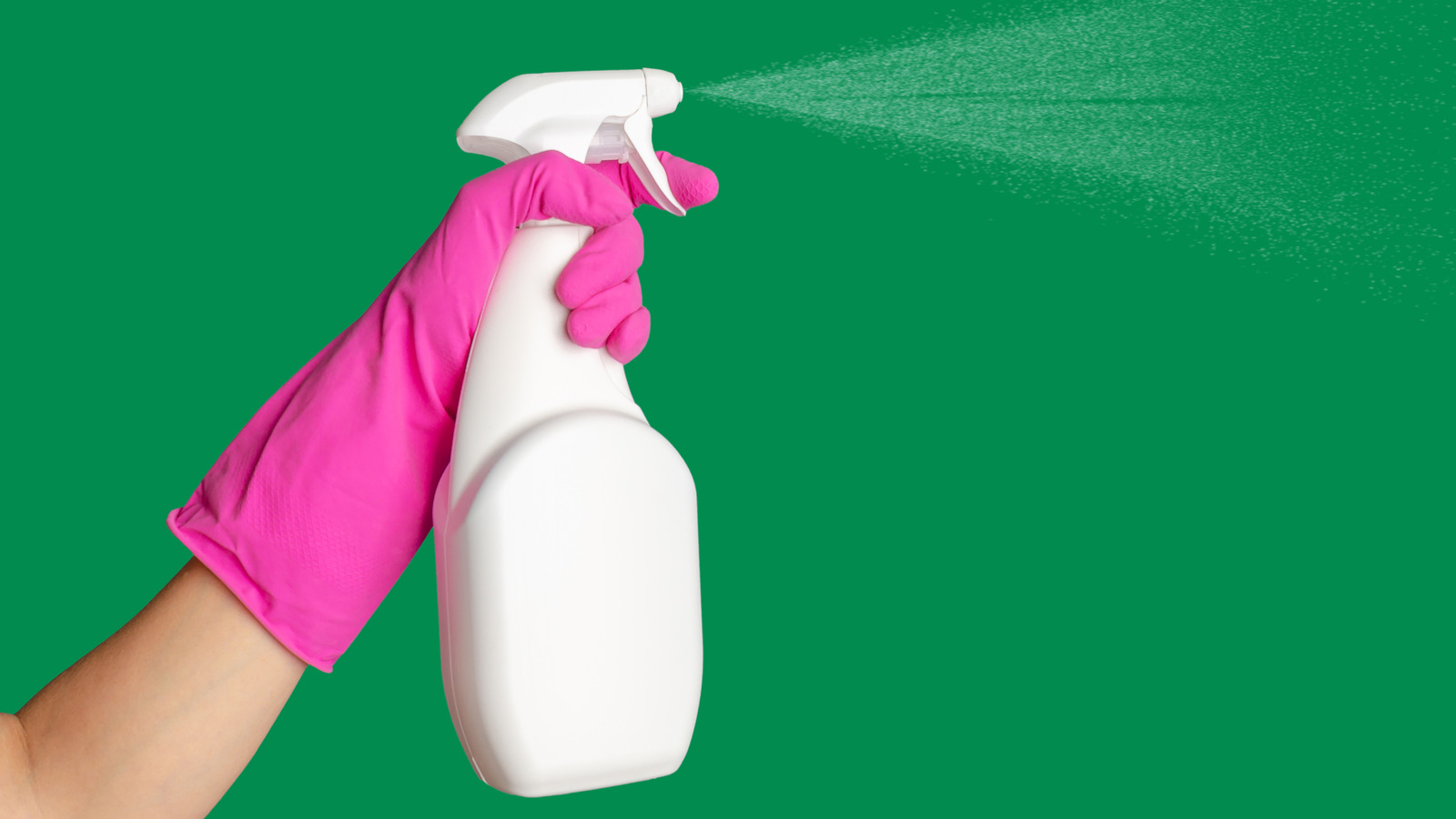
Clean kitchen walls every one to three months using non-abrasive, lint-free tools like microfiber cloths and soft foam sponges to prevent grease, food splatter buildup, odors, and pest attraction.
Everyday cooking
fromTasting Table
1 month agoDirty Kitchen Walls? Look For These Types Of Sponges To Get The Job Done Right - Tasting Table
Clean kitchen walls every one to three months using non-abrasive, lint-free tools like microfiber cloths and soft foam sponges to prevent grease, food splatter buildup, odors, and pest attraction.
fromBon Appetit
2 weeks ago10 Chefs Share the Pans They Use Most in Their Restaurants
When churning out cover after cover at the saute station you can't exactly be picky about what's on the shelf above the stove. But that doesn't mean professional chefs don't have opinions about the pans they use every day during service.
Cooking
Remodel
fromTasting Table
1 month ago'Burping' Isn't Just For Infants. Turns Out It Benefits Your Kitchen, Too - Tasting Table
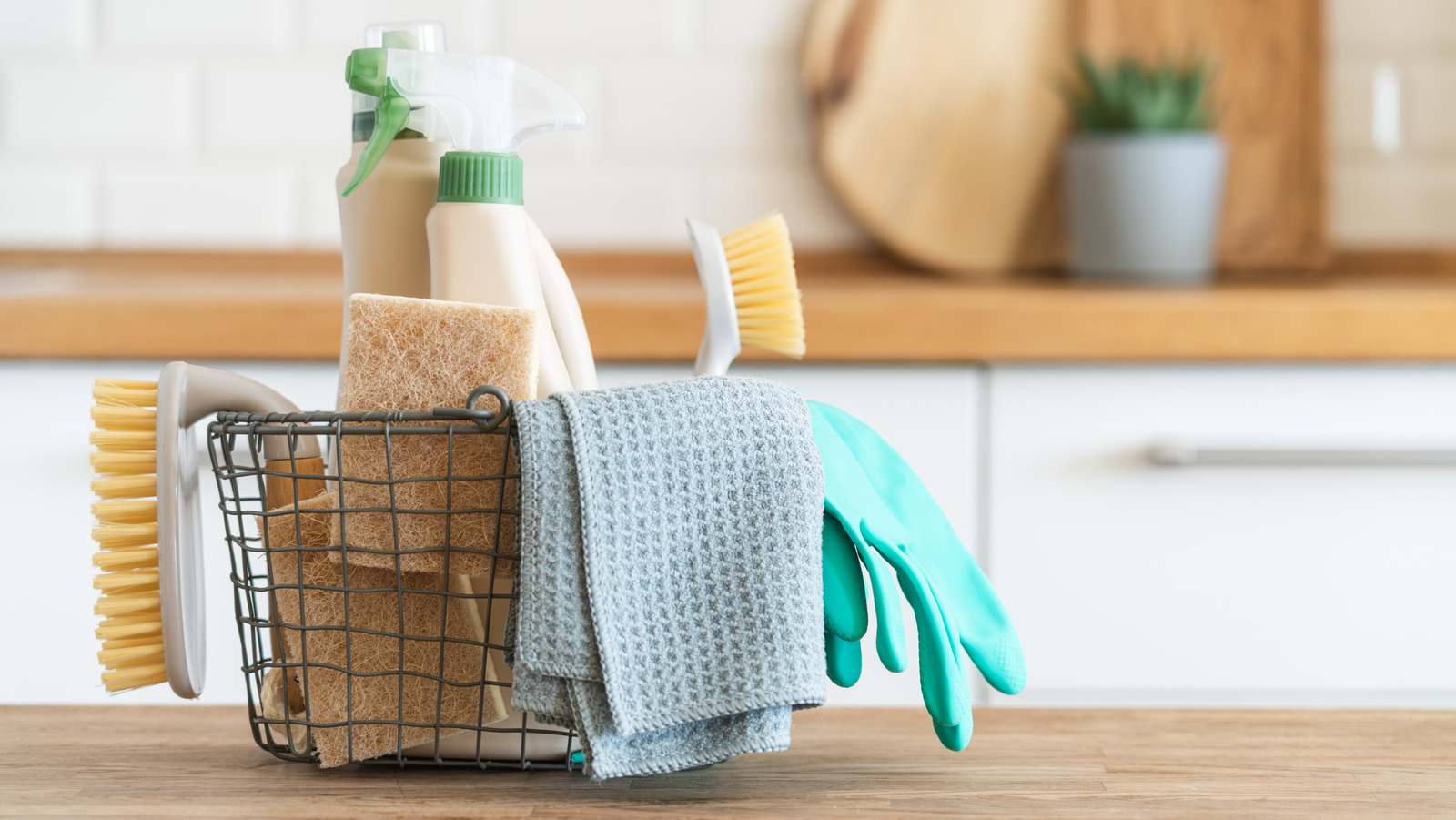
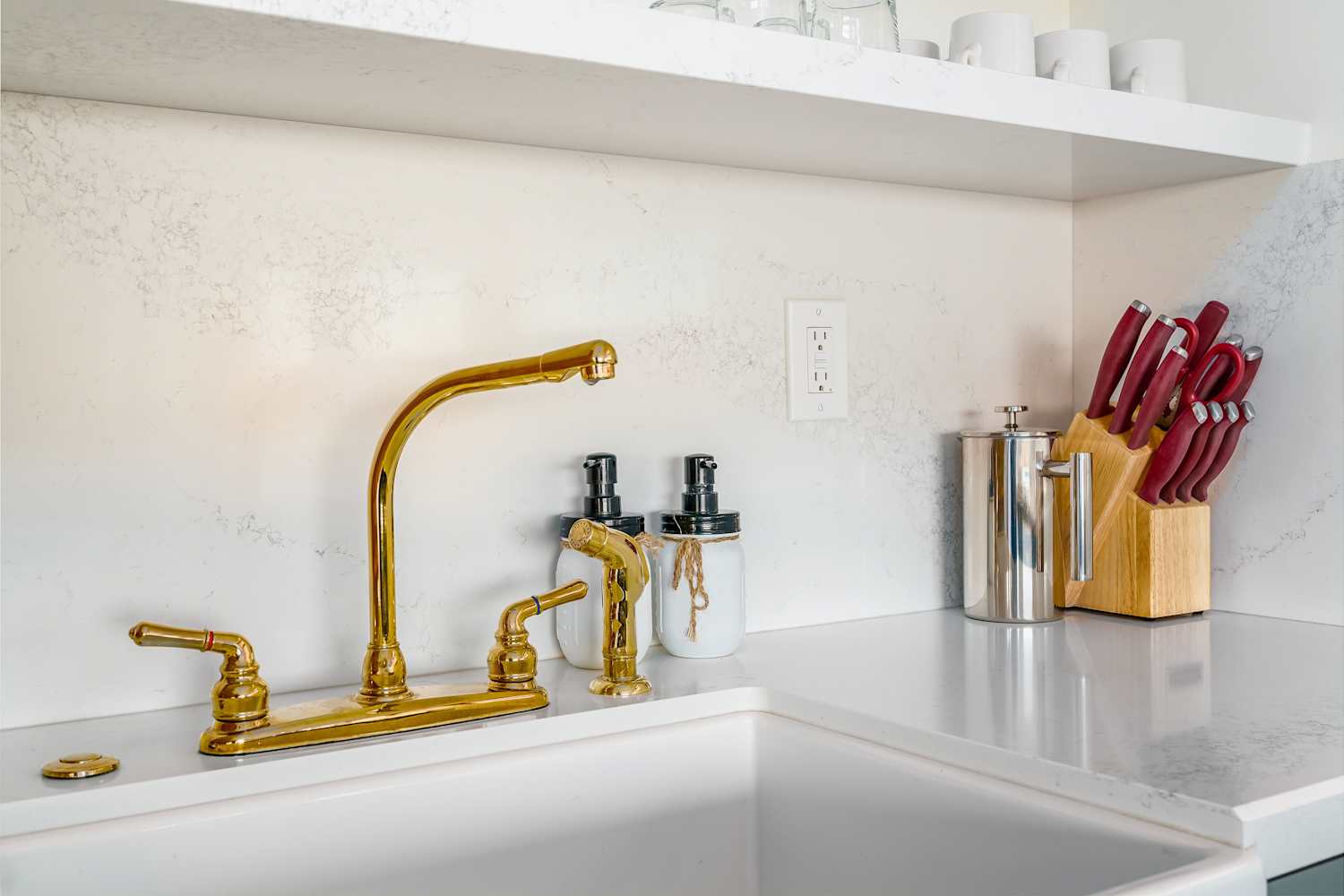
House burping, a trend of regularly ventilating homes by opening windows and doors, originated in Germany centuries ago and may help reduce mold and improve indoor air quality.



Gadgets
fromTasting Table
2 months agoSteam Cleaning Your Stovetop Is Actually Genius, And Not Enough Of Us Are Doing It - Tasting Table
Handheld steam cleaners remove grease, water stains, and burnt food from glass, gas, and electric stovetops while avoiding control panels, electrical connections, and unsealed burners.
Everyday cooking
fromTasting Table
1 month agoIf Your Plates Look Like This, It's Time To Toss Them Out, According To Chefs - Tasting Table
Chipped or cracked dinnerware poses health and safety risks by harboring bacteria, causing physical injuries, and potentially leaching harmful substances like lead into food.
fromTasting Table
2 months agoDon't Toss Your Eggshells - Use Them On Your Cookware For Sparkling Results - Tasting Table
But once food has carbonized and bonded to metal, the issue is mechanical, and you need something to physically break the residue apart. Eggshells are mostly composed of calcium carbonate, the same mineral found in chalk and limestone - you've probably encountered it in your toothpaste, too. When crushed into a powder, these shells become a mild abrasive, which can gently sand down the grime.
Cooking
fromwww.tastingtable.com
2 months agoWhy Cleaning Stainless Steel With Paper Towels Is An Unwise Choice
Stainless steel is known for its shiny look and incredible durability, which makes it a great choice in your kitchen, whether we're talking stainless steel appliances or cookware. But when cleaning cooking residue and grease from pans or polishing off your stainless-steel fridge, it's important you don't reach for the paper towels since they can leave scratches and leftover fibers on the surface of the material.
Cooking
fromTasting Table
1 month agoThis Genius Tool Solves The Mixing Bowl Problem Every Cook Knows - Tasting Table
If you've ever mixed something vigorously in a large bowl during a cooking project, you have probably experienced the universal frustration of a tilting, wobbly bowl. Maybe you're whipping cream by hand, whisking a vinaigrette, or even just beating eggs for a casual, but perfect, omelette, and notice the bowl starts migrating across the counter. There are some low-tech workarounds, like a damp towel or a silicone mat slipped underneath the bowl. Neither works terribly well, especially with super-slippery granite countertops.
Cooking

fromTasting Table
1 month agoDeep-Cleaning Products That Bring Crusty Ovens Back To Life - Tasting Table
All of the grease, oil, baked-on food residues, and other debris can also be a fire hazard. When you use your oven, this debris could be releasing dangerous, and even toxic, smoke and fumes into your home. Dirty ovens even reduce the overall lifespan of your appliance, and can lower its efficiency and damage heating components.
Cooking
fromTasting Table
1 month agoThe Common Cleaning Mistake That's Destroying Your Vintage Cookware - Tasting Table
Other than wanting to preserve a vintage piece for nostalgic or aesthetic reasons, some vintage cookware sets can be worth a fortune these days. But even if you don't have a full set or plan to cash in on your cookware later, part of the charm of vintage kitchen items is their lasting durability combined with their often whimsical and colorful designs or features.
Cooking
fromTasting Table
2 months agoThe 10 Mistakes Everybody Makes When Cooking With Stainless Steel - Tasting Table
others are more likely to damage your pan and may even shorten its lifespan. It turns out that some of the main complaints you have about cooking with stainless steel might be because of user error, even if you're a seasoned cook. In fact, once you correct what you've been doing wrong with your stainless steel cookware, you might use them just as often or more than your non-stick pans, especially if you're worried about non-stick forever chemicals.
Everyday cooking
[ Load more ]