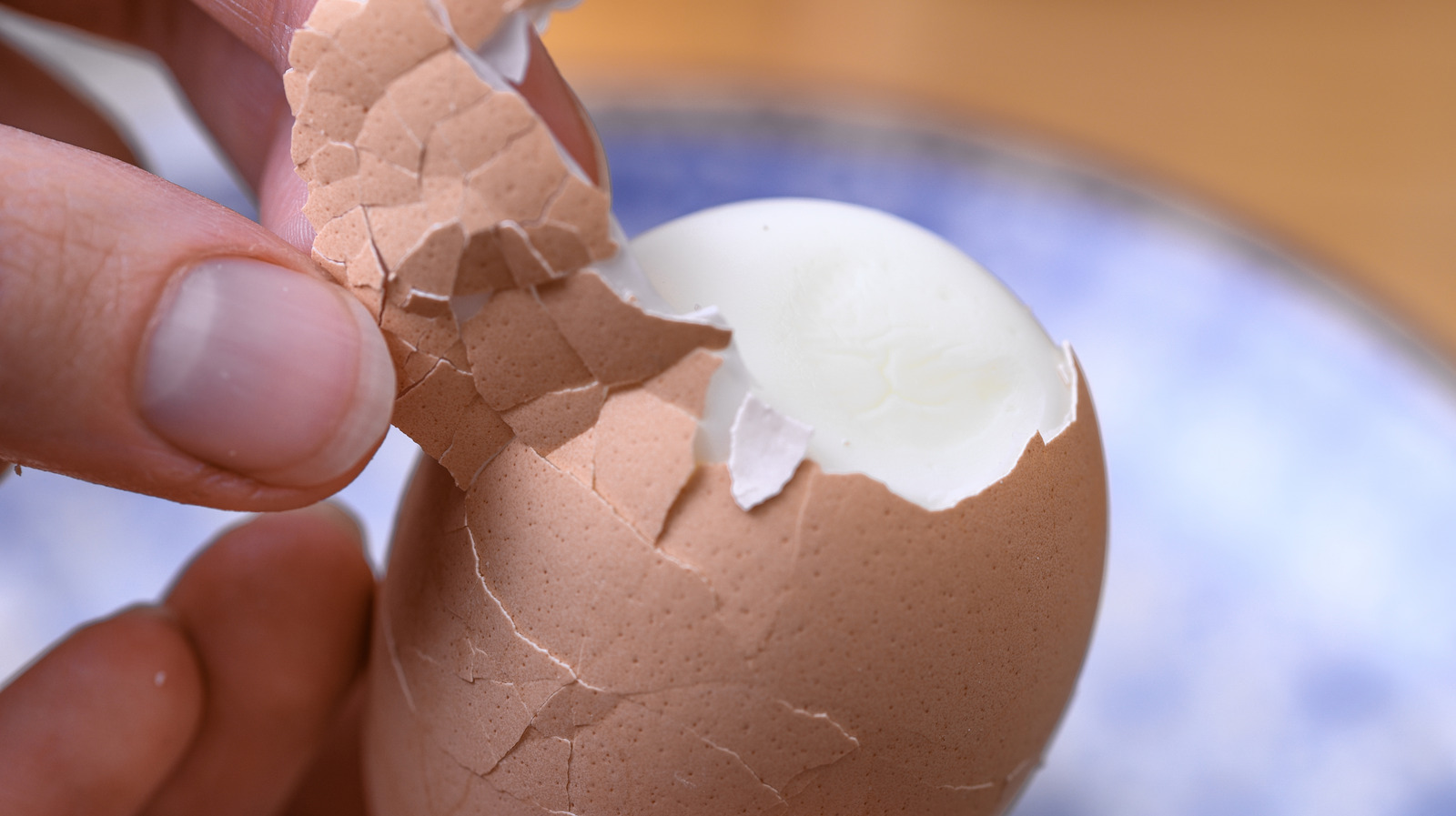
Crushed eggshells can function as a mild abrasive scouring powder because they are mostly calcium carbonate. The powder physically abrades carbonized, bonded food that soap, soaking, and mild abrasives cannot remove. Pulverized shell fragments are hard enough to scrape away baked-on gunk while remaining softer than steel wool, reducing risk of scratching sensitive surfaces such as enameled cast iron cookware. Preparing the powder requires cracking, rinsing, and boiling shells to remove bacteria, then drying and crushing them into a fine powder. The powder can be used like traditional scouring powders to restore shine without gouging.
"But once food has carbonized and bonded to metal, the issue is mechanical, and you need something to physically break the residue apart. Eggshells are mostly composed of calcium carbonate, the same mineral found in chalk and limestone - you've probably encountered it in your toothpaste, too. When crushed into a powder, these shells become a mild abrasive, which can gently sand down the grime."
"In this context, eggshell powder sits in the same kitchen cleaning essentials category as traditional scouring powders that are designed to bring back shine without gouging. The small fragments of shell are hard enough to scrape away baked-on gunk, but softer than steel wool, which can permanently scratch some cookware, particularly more sensitive enameled cast iron cookware. The idea might feel novel, because eggshells are usually seen as useless, biodegradable waste (unless you're adding them into your smoothies for extra calcium)."
Read at Tasting Table
Unable to calculate read time
Collection
[
|
...
]