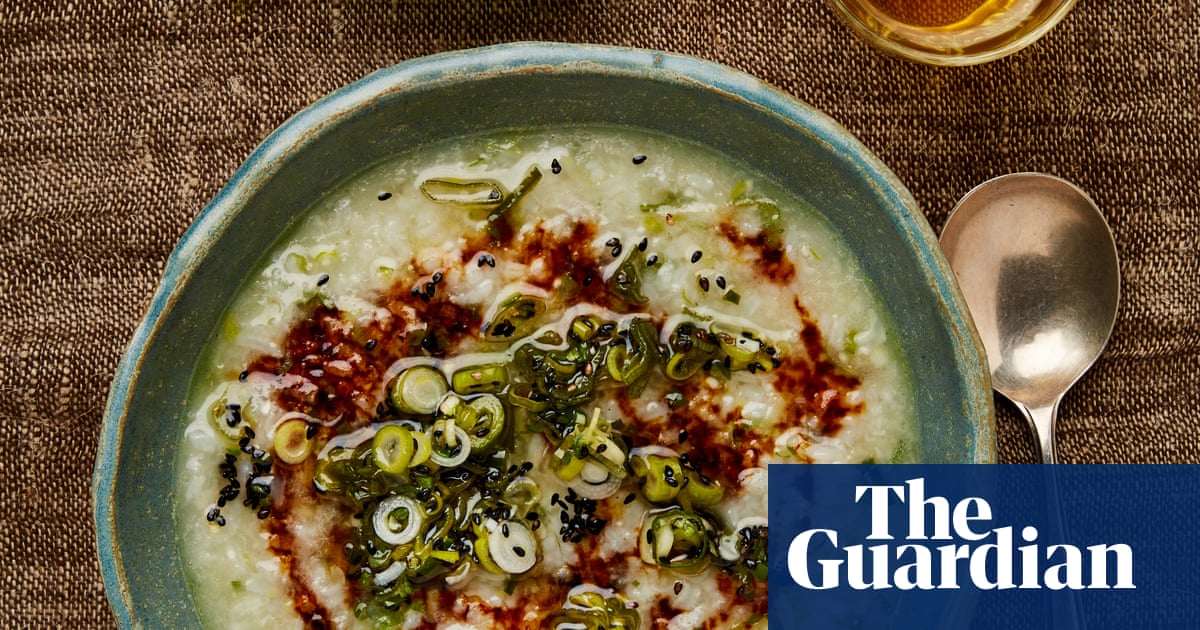
"Cool the rice as quickly as possible, within the hour, and put it in an airtight container and pop it in the fridge [or freezer] straight away. The reason being, as food science guru Harold McGee notes, Raw rice almost always carries dormant spores of the bacterium Bacillus cereus, which produces powerful gastrointestinal toxins."
"When rice cools, the molecules rearrange into tighter bonds in a process called retrogradation. This creates resistant starch, and the more resistant the starch, the slower the release of energy."
"There's fried rice, sure, which is always a good excuse for a Sunday fridge clear-out. Otherwise cooked rice could be a shortcut to congee. Making congee from scratch takes hours, whereas if you have leftover rice, just pour over some boiling water and cook down to a similar consistency."
Cooked rice should be cooled quickly within an hour and stored in an airtight container in the fridge or freezer to prevent bacterial growth. Bacillus cereus spores can survive cooking and cause gastrointestinal issues. Proper storage allows for versatile meal options, as cooled rice undergoes retrogradation, creating resistant starch that promotes fullness and stabilizes blood sugar. Leftover rice can be used for fried rice, congee, or soupy rice, providing quick and comforting meal solutions.
Read at www.theguardian.com
Unable to calculate read time
Collection
[
|
...
]