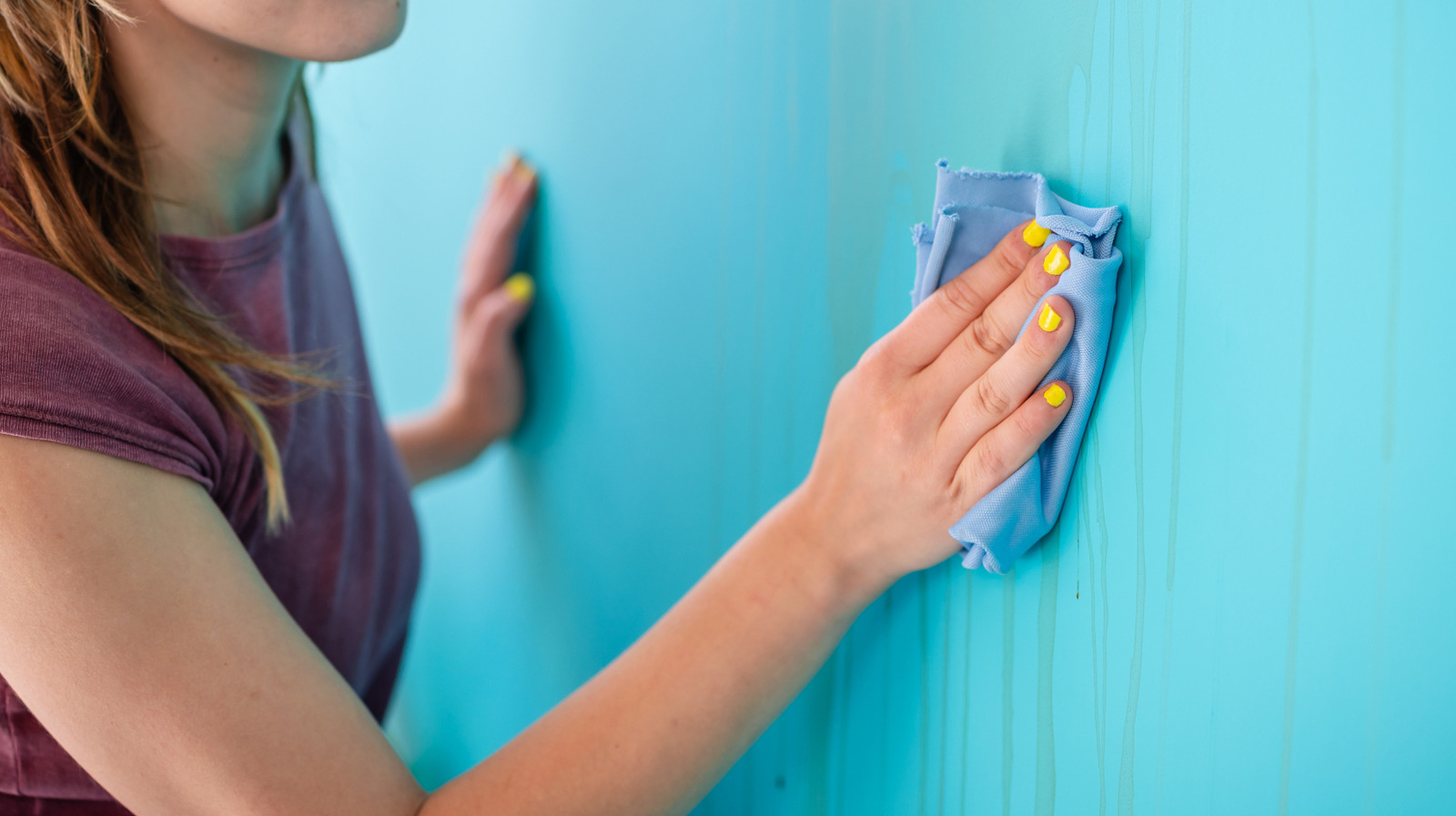
Kitchen walls require regular cleaning every one to three months to prevent accumulation of food splatters, grease, oil, and dust that can damage surfaces, cause odors, and attract pests. Using the correct tools is essential for effective cleaning without damaging paint or wallpaper. Non-abrasive, lint-free microfiber cloths and soft foam sponges effectively remove dirt and grease. For tough buildup and dried splatters, soft-bristled brushes safely scrape debris from crevices without harming finishes. Melamine foam sponges address stubborn stains, while dry-chemical sponges made from vulcanized rubber lift smoke and soot residue without cleaning products. Long-handled dust mops complete the process by removing remaining grime while preserving wall integrity.
"Cleaning pros say that this is a kitchen cleaning task you should do every one to three months to prevent a buildup of food splatters, grease, oil, and dust - all of which could damage the walls, cause foul odors, and attract pests like flies and roaches."
"The best sponges to use to clean your kitchen walls without damaging the paint or wallpaper are ones that are non-abrasive, lint-free, and slightly rigid. Lint-free microfiber cloths and soft foam sponges, like Scrub Daddy's scratch-free multipurpose kitchen sponges, can quickly and easily remove dirt, dust, and grease."
"For tough jobs like major buildup, dried food splatters, or stuck-on grease, you should use a soft-bristled brush. Soft-bristled brushes can get into the crevices and scrape away tough debris without damaging the wall's finish, and are safe to use on textured and high-gloss kitchen walls."
"If you have burn marks or soot stains from cooking smoke residue, use a dry-chemical sponge. These are made out of vulcanized natural rubber and are used dry, without any cleaning products, to gently and safely lift away dirt, dust, smoke and soot residue, pet hair, and more."
Read at Tasting Table
Unable to calculate read time
Collection
[
|
...
]