"Before experiencing the ease and precision of a high-quality knife, it's easy to think your dollar-store blade is working just fine. However, as with any kitchen tool, a higher price tag doesn't necessarily mean better quality, but there is a line. Knives can range anywhere from a few bucks to hundreds of dollars, and numerous factors impact the cost. To make sense of the overwhelming world of kitchen knives,"
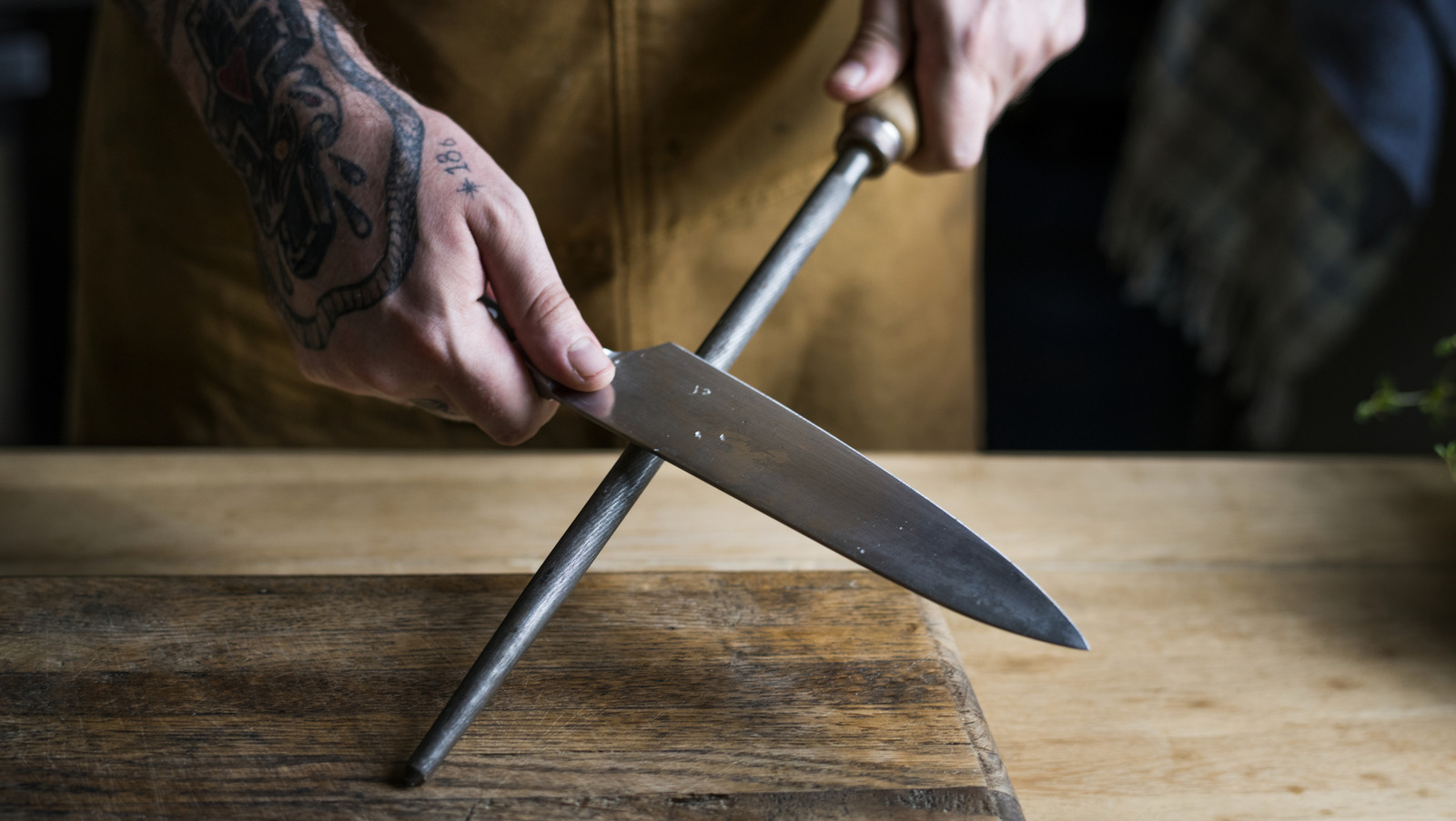
"Good knives should last a long time. While incredibly made, the life span of Moore's knives is also a testament to her consistent maintenance. Sharpening will keep knives working like new, removing scratched metal notches, but that's not all there is to knife upkeep, according to Moore. Washing your knives by hand and immediately drying them will keep the blades sharp and rust-free."
High-quality kitchen knives can cost from a few dollars to hundreds, with around $300 a reasonable upper limit for a home chef's knife. Properly made knives can last decades with consistent maintenance, including regular sharpening to remove metal notches. Hand washing and immediate drying prevent rust and preserve sharpness. Minimalist home cooks benefit from a basic set—paring, sashimi, and bread knives—while prioritizing ergonomic handles and easy maintenance. Artisan or handcrafted knives carry higher price tags. Different cooks should focus on personal priorities and preferences rather than flashy features when selecting knives.
Read at Tasting Table
Unable to calculate read time
Collection
[
|
...
]