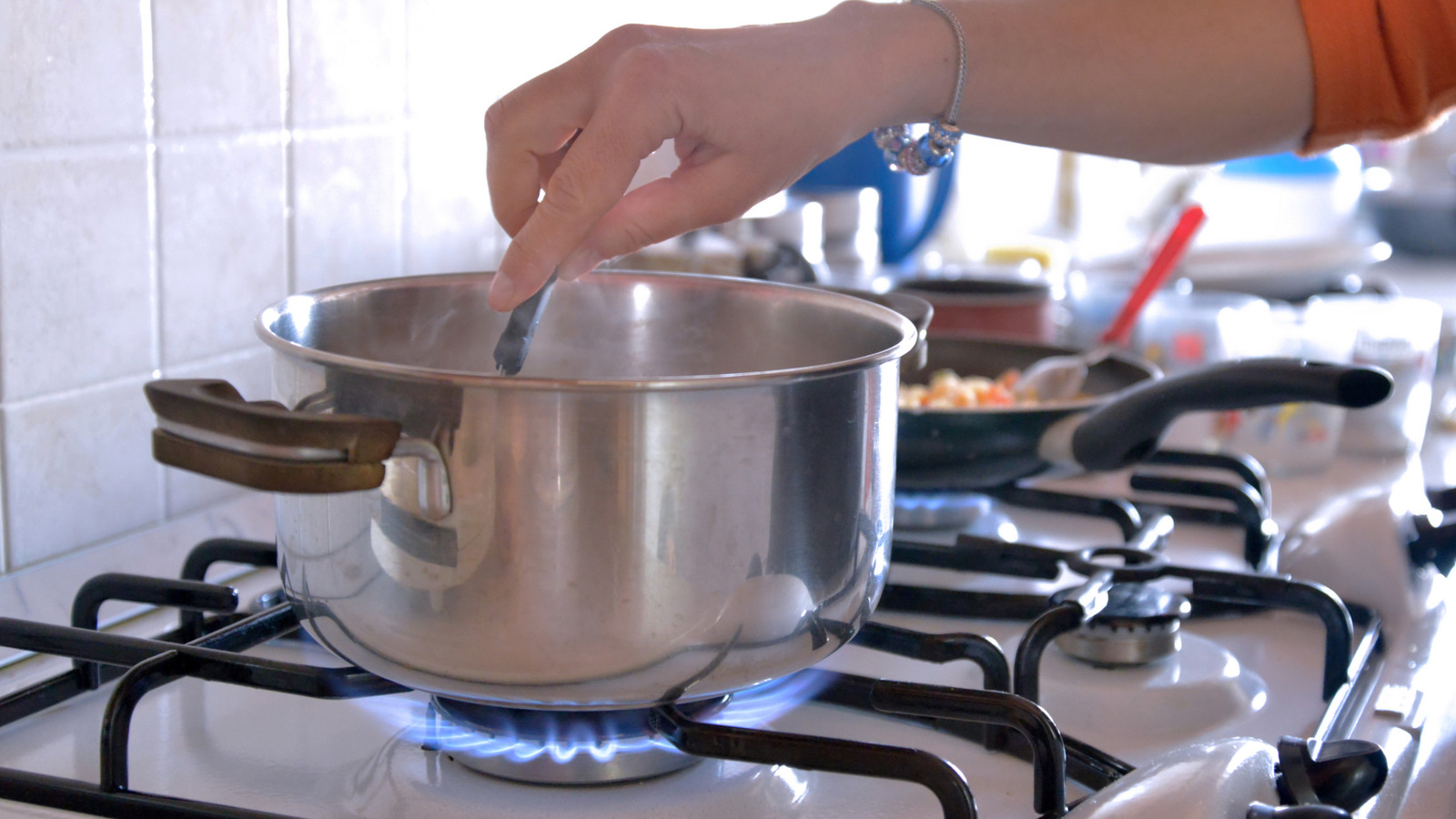
"Like vinegar, lemon juice is acidic. It's that property that makes it ideal for cleaning by dissolving minerals and soap scum and breaking down fat molecules. Depending on the type of stain you're cleaning, the charge in the acid can transfer to the stain and help it pull away with water. The oil in the rind, called limonene, is also great at cutting through grease by acting as an organic solvent. As a bonus, lemon juice also has some mild antiseptic and antibacterial properties."
"You can use either fresh lemons or bottled lemon juice to clean. Having a bottle of lemon juice may be more convenient, but if you use fresh ones, you can use both the juice and the rinds. You want to do a preliminary clean of your stove grates. Wipe off any chunks of food or easy to remove spots, then clean with soap and water. Soak the grate in lemon juice for at least 15 to 30 minutes, or longer for stubborn stains."
Lemon juice is acidic and dissolves minerals, soap scum, and breaks down fat molecules, making it effective for cleaning greasy surfaces. The rind contains limonene, an organic solvent that cuts through grease. Lemon juice also has mild antiseptic and antibacterial effects. Both fresh lemons and bottled lemon juice are usable. Grates should be preliminarily wiped and washed with soap and water to remove loose debris. Soak grates in lemon juice for 15–30 minutes or rub with sliced lemon for stubborn grime. Lemon loosens grease but works best paired with soap because it is not a surfactant.
Read at Tasting Table
Unable to calculate read time
Collection
[
|
...
]