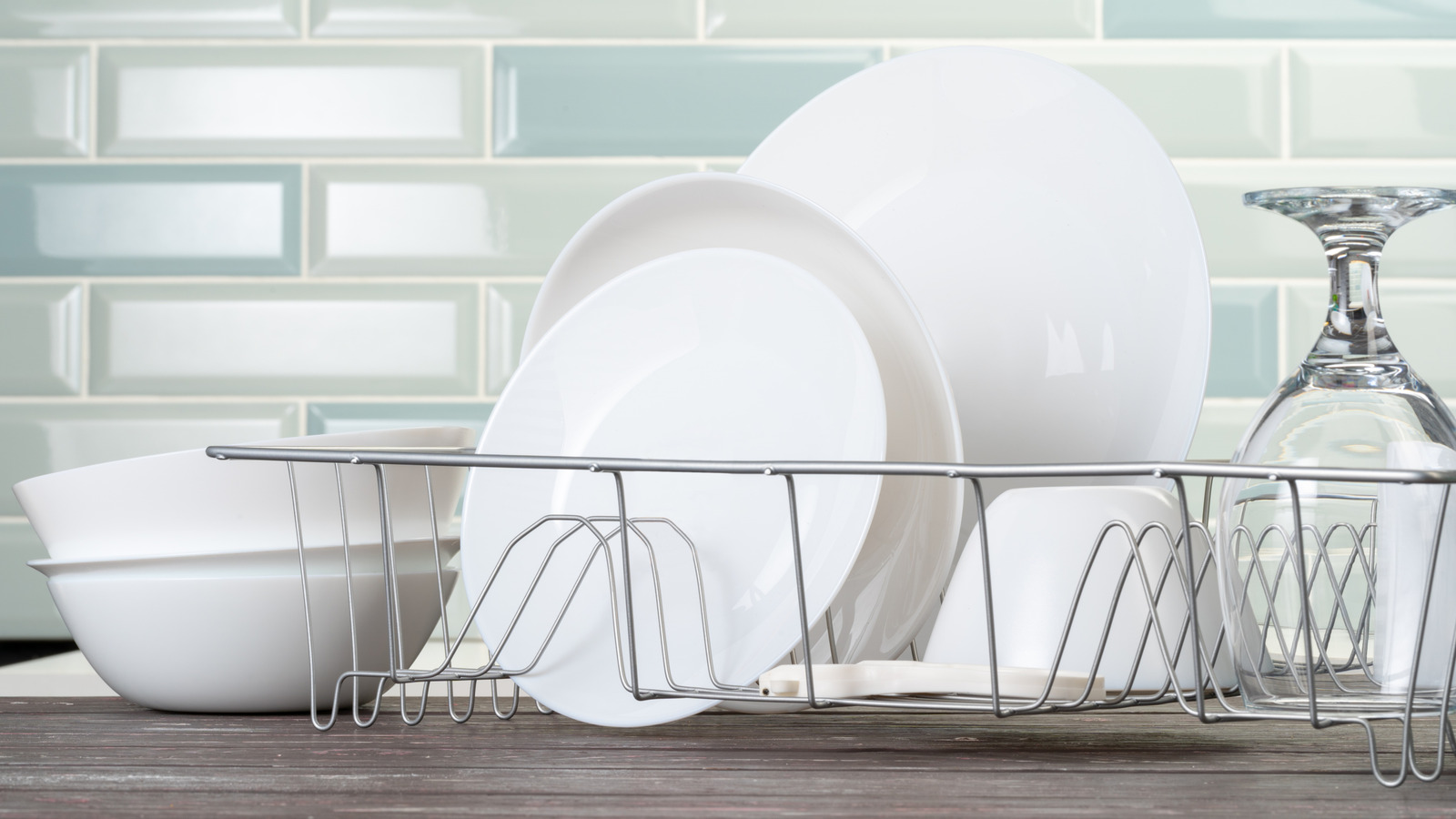
"Cracks and chips can harbor bacteria that survive washing, and small fragments may break off into food. Aside from collecting hard-to-excavate dirt and debris inside their crevices, chips and cracks can also cause physical injuries, like cuts, just from handling them. Additionally, that glossy coating that makes a set of dinner plates so shiny and attractive also functions as a protective layer, preventing harmful elements that manufacturers use to make dinnerware more durable, such as lead, from leaching out."
Professional kitchens maintain stricter standards for dinnerware than home kitchens, discarding damaged plates, bowls, and mugs to prevent health hazards. Visible damage including chips, cracks, dents, and crazing indicates potential dangers. Damaged dinnerware can harbor bacteria resistant to washing, shed fragments into food, cause cuts during handling, and compromise the protective glaze that prevents harmful substances like lead from leaching. The glossy coating on dinnerware serves as a critical barrier against toxic elements used in manufacturing. Despite sentimental attachments to favorite pieces or family heirlooms, safety must take priority in deciding whether to keep damaged items in use.
Read at Tasting Table
Unable to calculate read time
Collection
[
|
...
]