#store-brand
#store-brand
[ follow ]
#walmart #costco #e-commerce #retail #grocery-shopping #customer-experience #retail-strategy #aldi #amazon


fromParade
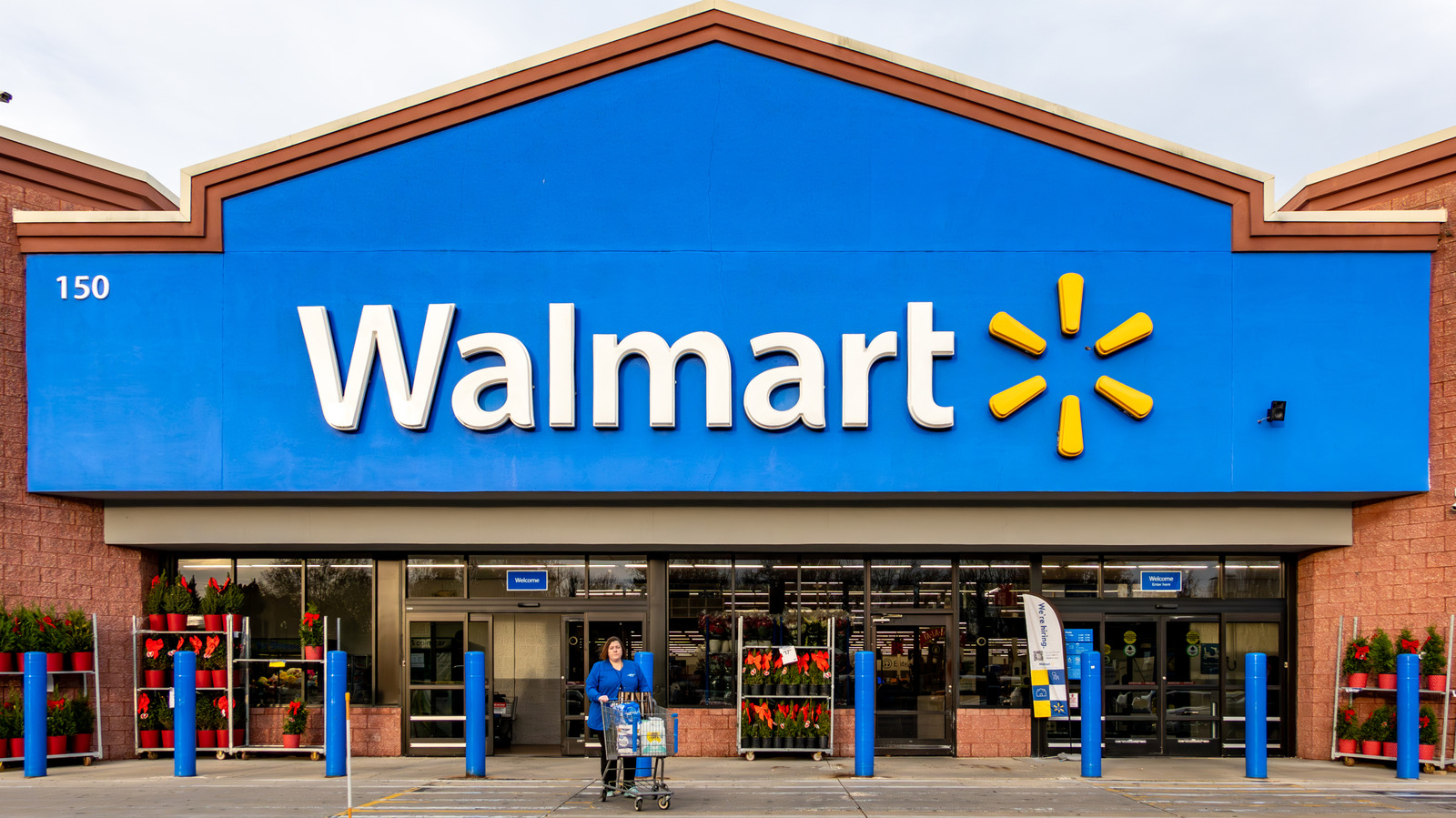
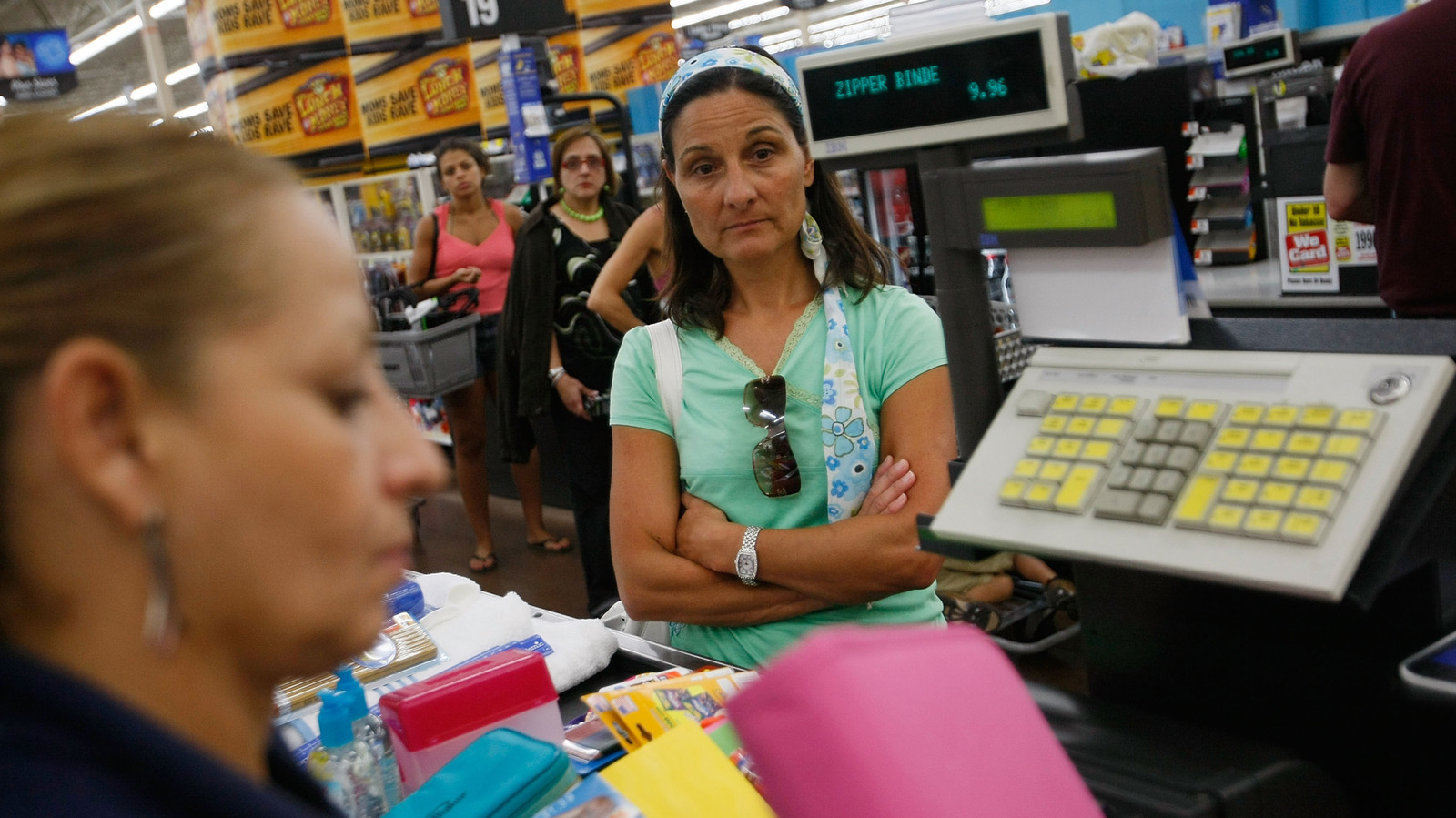
5 days agoIconic Shopping Giant Files for Chapter 11 Bankruptcy Amid Industry Shift
QVC Group has filed for Chapter 11 bankruptcy protection, marking a significant shift for one of the most recognizable brands of the cable TV era. The company intends to operate as a debtor-in-possession under the jurisdiction of the Bankruptcy Court, aiming to maintain normal business operations during the proceedings.
Television
fromFast Company
5 days agoThe Trump Store isn't shy about hawking merch. It's paying off like never before
"We've never seen any president profit off of something like the Trump Store, or indeed, any of the numerous businesses that Trump has continued to profit from while serving as president," CREW communications director Meghan Faulkner tells Fast Company.
US Elections


fromwww.bbc.com
1 month agoA small US grocer is calling out the lower prices at big chains
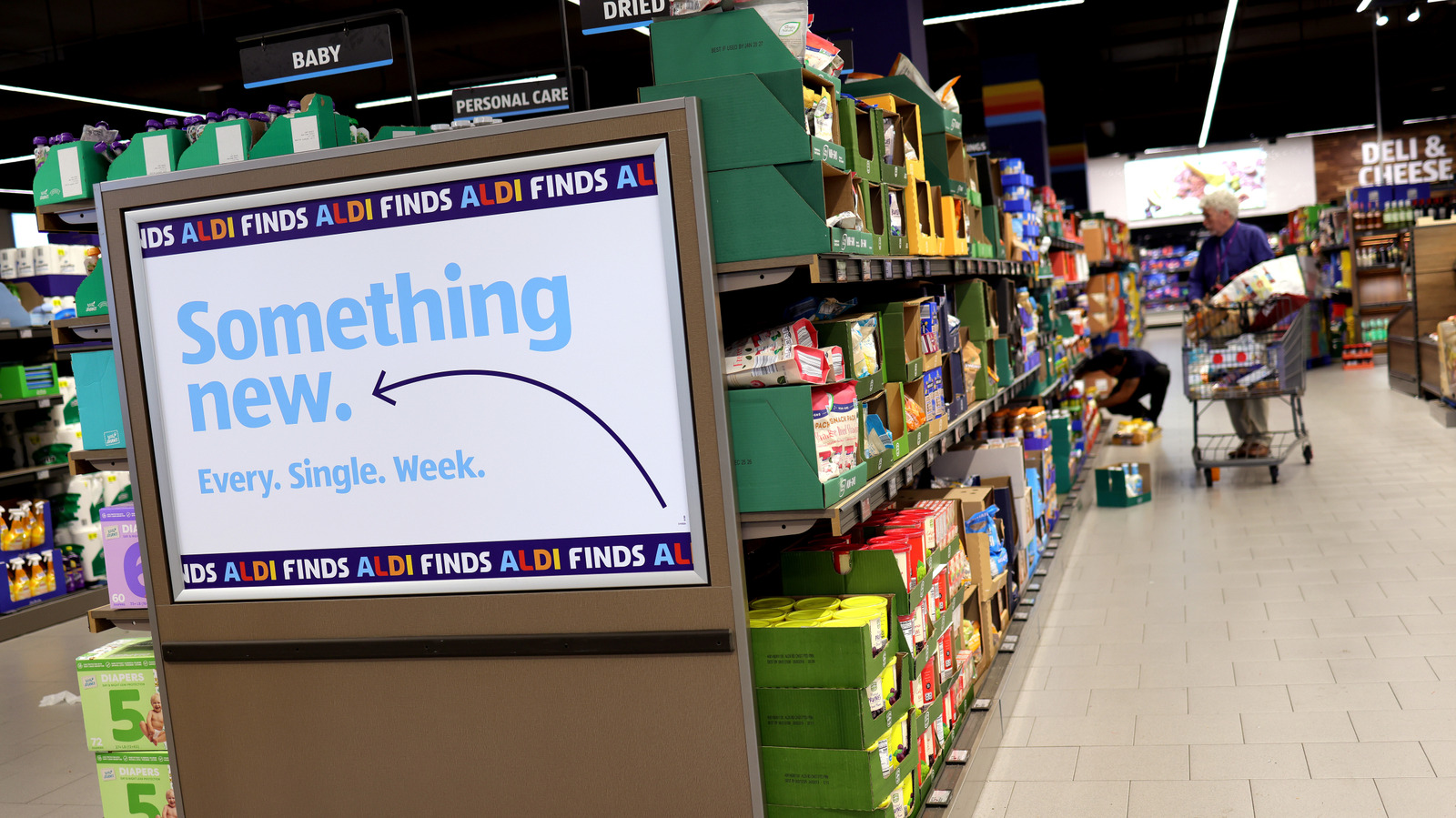
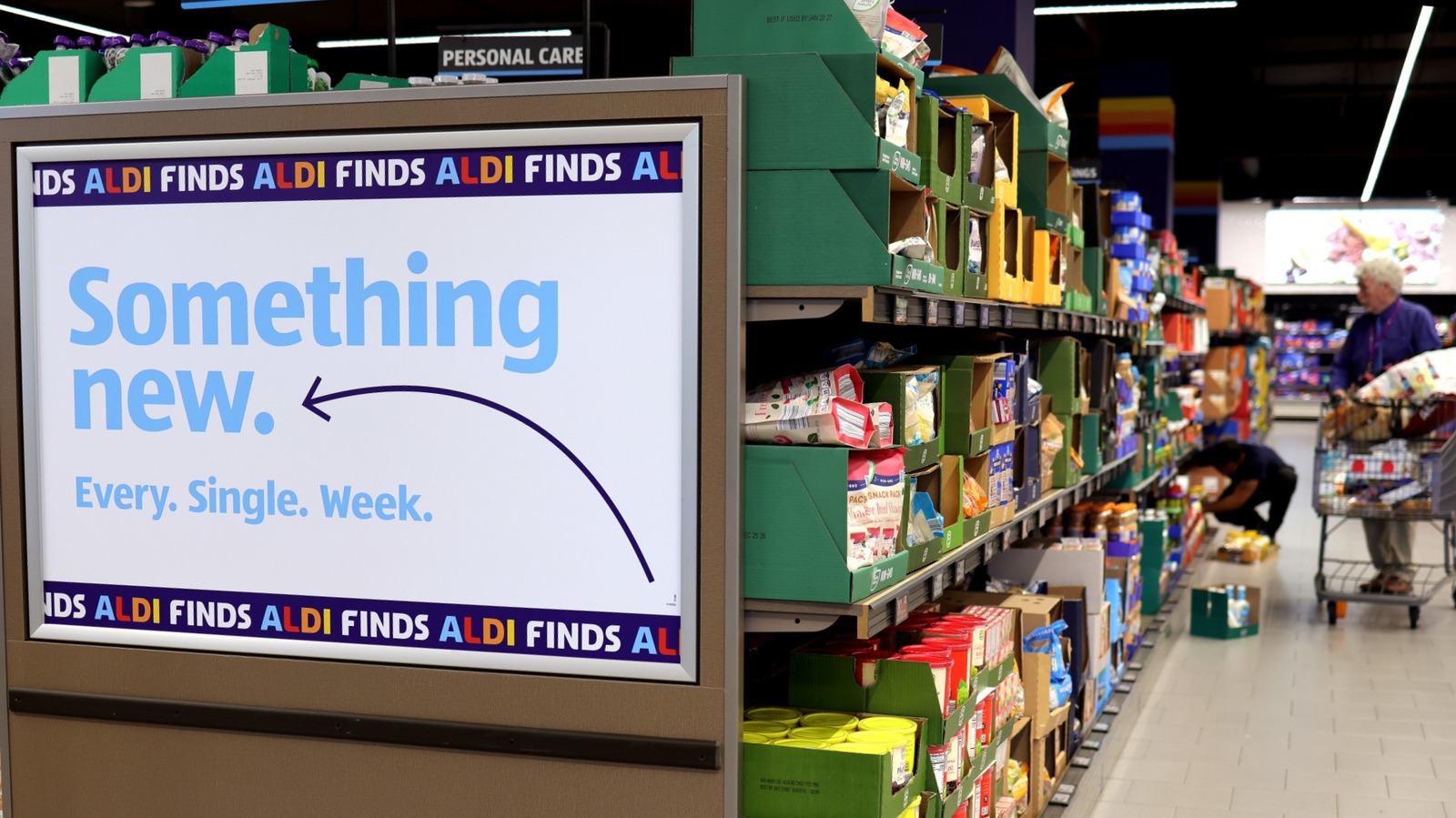
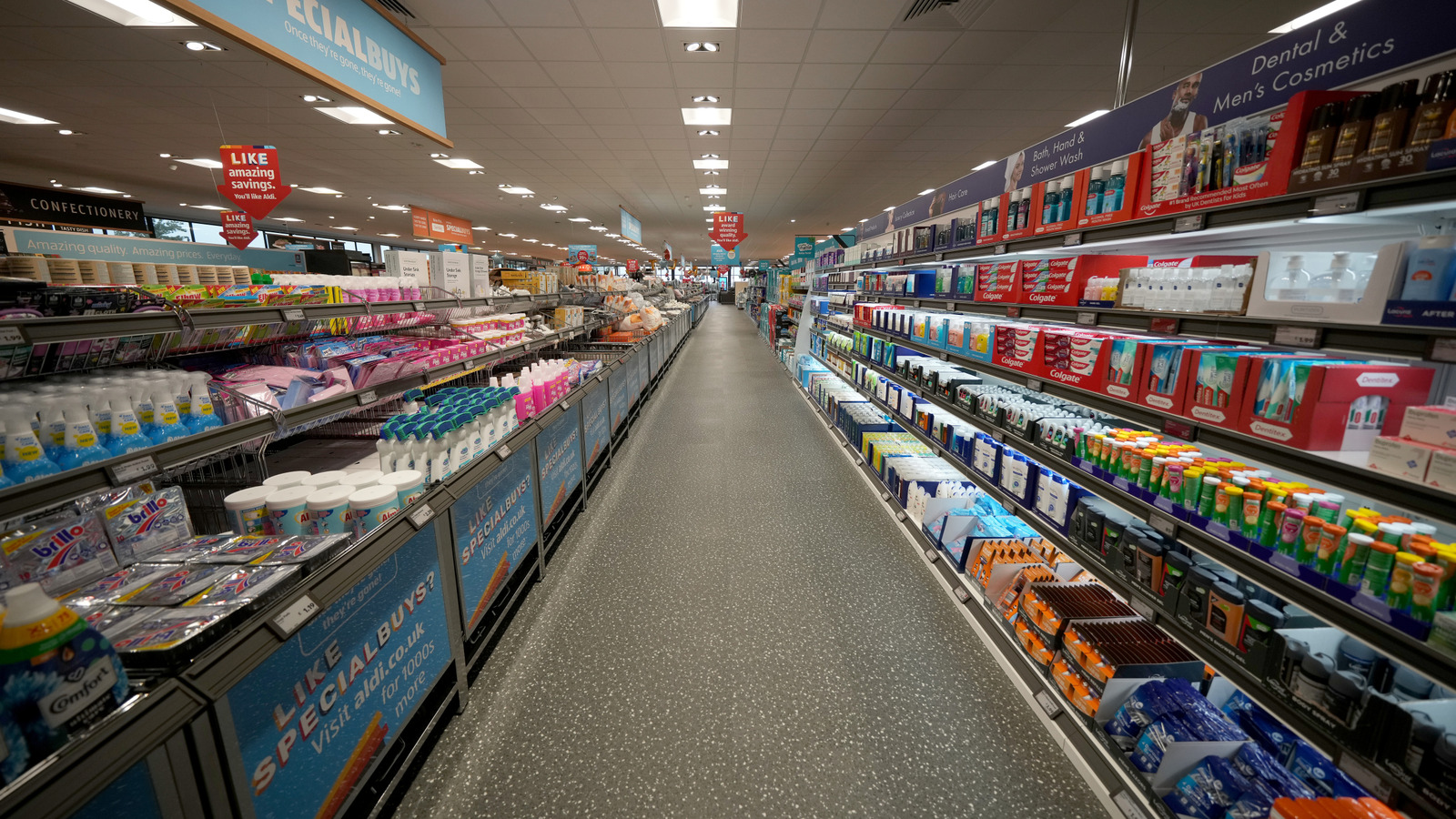
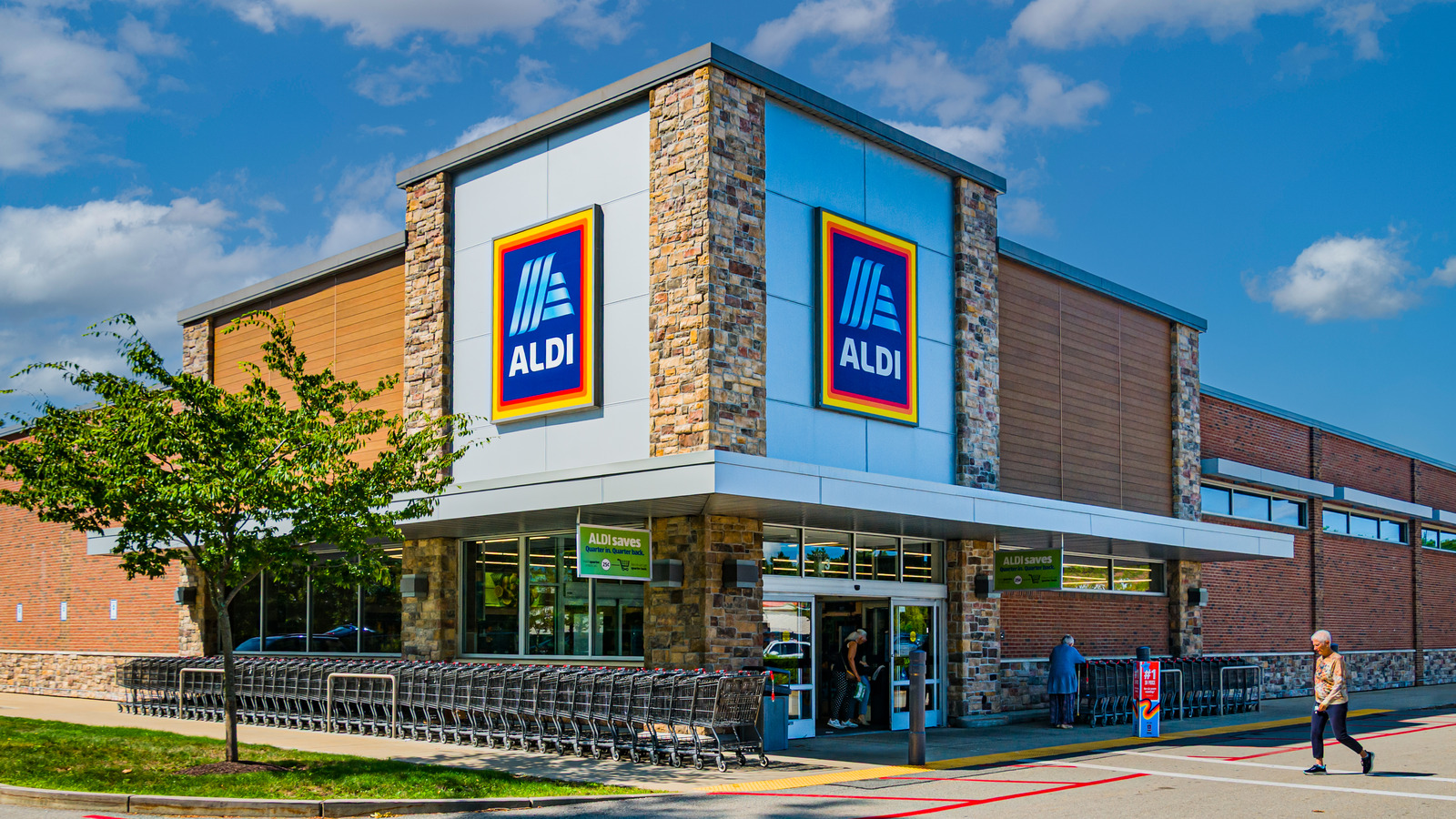
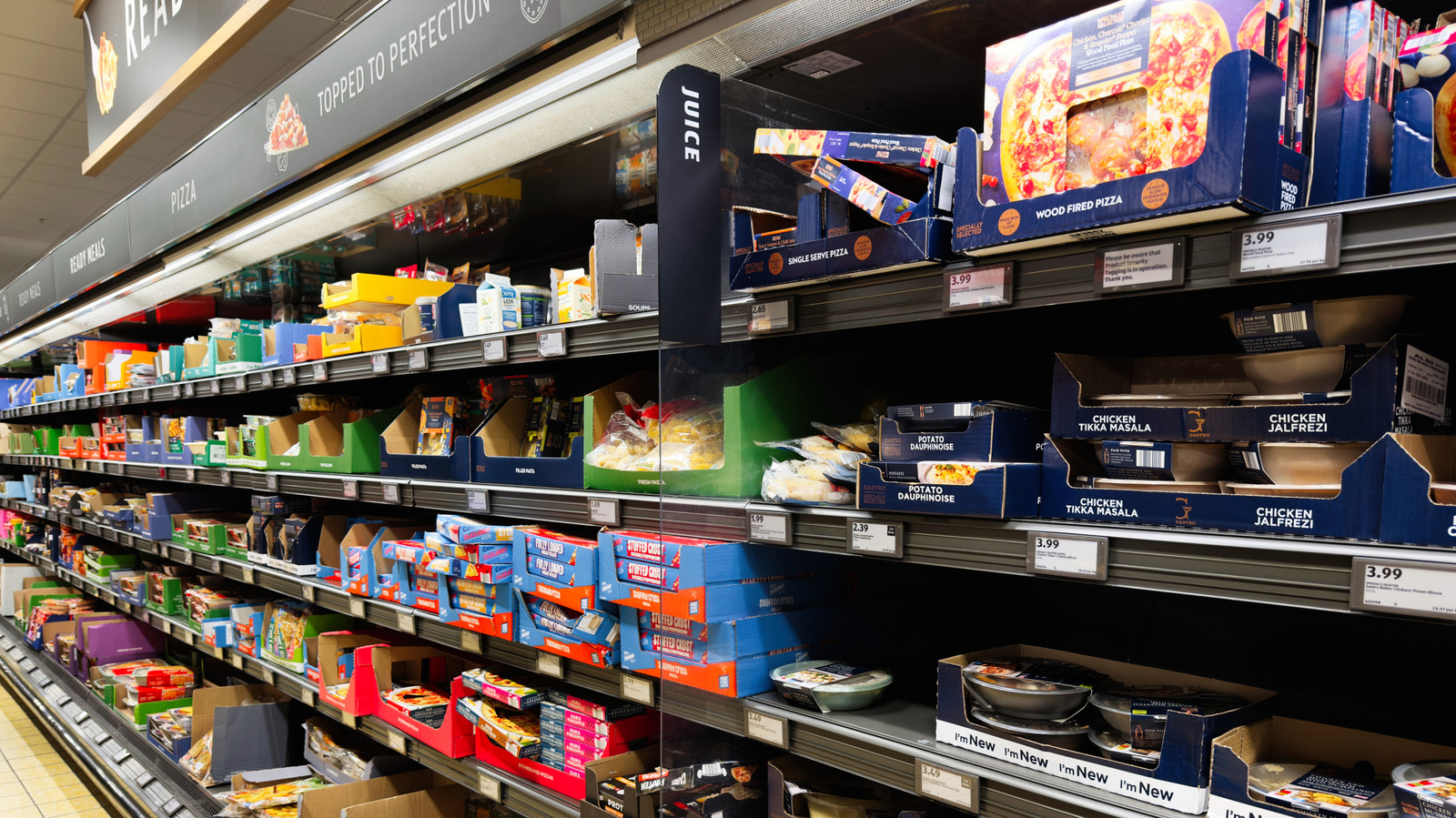
He says he paid roughly $5 to his distributor to get the pack of Honey Bunches of Oats onto the shelf. But his much larger rivals, the big US supermarket chains, can sell that same box for around $5 - essentially, the price he has to pay wholesale. That dynamic makes it "impossible for us to compete."
NYC politics
fromwww.mercurynews.com
1 month agoTarget unveils new plan to win shoppers back. Will it work?
Target is not an everything store, said Fiddelke, who took over as Target's chief executive last month. He said Target would focus on winning busy families as its primary customer base. Target will also increase capital spending by 25% to $5 billion this year to bolster operations, technology and other areas of the business.
Toronto startup
Silicon Valley food
fromBuzzFeed
1 month agoThe CEO Of Costco Just Made It Abundantly Clear Their $1.50 Hot Dog Deal Isn't Going Away
Costco's CEO confirms the $1.50 hot dog and soda combo price will remain unchanged, providing rare price stability amid widespread inflation across groceries, rent, clothing, and gas.
fromThe Motley Fool
1 month agoBest Consumer Stock to Buy Right Now: Costco or Walmart? | The Motley Fool
Costco sells its products with very little markup, choosing instead to make most of its money from membership sales. This business model makes sense: The better deals it has, the more likely people are to want a membership. Memberships at Costco are booming. In the fiscal first quarter of 2026, overall memberships were up 5% year over year to 146 million. And its higher-priced executive memberships were up a stronger 9%.
Business intelligence
Toronto startup
fromBusiness Insider
1 month agoTarget shifts away from being an 'everything store' in new strategy focused on 'busy families'
Target is refocusing as a specialized retailer targeting busy families by investing $1 billion to enhance specific categories like baby and home, moving away from being an 'everything store.'
E-Commerce
fromRetail Brew
1 month agoHow retailers can leverage their private label marketing advantage over national brands
Private label sales reached $283 billion with growth outpacing national brands, requiring distinct marketing strategies focused on point-of-sale engagement rather than external storytelling.
fromwww.retaildive.com
2 months agoOutcomes are table stakes. How brands deliver them is the advantage.
Performance has always been the foundation of commerce media because it tied spend to measurable behavior. From sponsored search to sponsored products, the category scaled by delivering outcomes that could be directly attributed to transactions. Automation, AI-driven optimization and closed-loop measurement accelerated that model and made outcomes-based buying the norm. Outcomes still matter. But as AI reduces friction and increases competition, outcomes alone no longer create separation.
Marketing tech
fromFast Company
2 months agoHow discounting hurts long-term loyalty and profits
Discounting has been part of retail's toolkit for decades, and it can be effective, especially during high-stakes shopping seasons. But as promotions become more frequent across the industry, companies are taking a closer look at the downside: Short-term sales gains don't always come with long-term loyalty or durable margins, and customers remember how a brand made them feel far more than what they saved at checkout.
Marketing
fromPractical Ecommerce
1 month agoLaunch Your Own Private-Label Brand
Sourced directly from a manufacturer, private-label brands remove one or more layers of intermediaries from the supply chain, usually distributors or other brands. A nearly identical private brand can earn more margin, even at a low price.
E-Commerce
Food & drink
fromTasting Table
2 months agoThe Kroger Pricing Policy Worth Knowing Before Your Next Shopping Trip - Tasting Table
Kroger's 'Make It Right' and 'Scan Right Guarantee' policies allow cashiers to adjust prices, honor advertised sale prices, or compensate customers for mis-scanned higher prices.
fromFast Company
2 months agoWhy do so many legacy brands implode when trying to attract new customers?
So the brand reinvents itself to pull in a younger segment of the market, often by borrowing ideas from cooler competitors to seem more "on-trend." But instead of younger and cooler, the rebrand comes off as insincere, stilted, or cringey. Worse, the brand's older, core customers, who liked the brand as it was, are irritated by the changes. Instead of spurring new growth, the effort drives off some of the existing customers, leaving the brand worse off than when it started.
Marketing
fromFast Company
1 month ago'It's a 'Prove it' story': Target's new CEO outlines a plan to win back customer trust
Prove is the right word. It's a 'Prove it' story. I have the benefit of a 23-year running start that has taught me so much about how retail works. I've gotten to see Target at its very best. I've gotten to see us when we are not at our very best, and that leads (to) a real clear view for me of when we're hitting on all cylinders.
Business
from24/7 Wall St.
1 month agoCostco is the Only "Safety Play" with a 90% Renewal Tailwind
With members sticking around for the excellent value proposition as well as the $1.50 hot dog combo, it's clear that Costco has pretty much perfected the in-store experience at this point. The 90% renewal rate might just be the floor as the firm opens new stores across the globe while doubling down on e-commerce, perhaps there's room to bump up that renewal rate further.
E-Commerce
E-Commerce
fromTasting Table
1 month ago7 Grocery Chain Price Adjustment Policies Every Customer Should Be Aware Of - Tasting Table
Many grocery stores offer price adjustment policies allowing customers to receive refunds when item prices drop shortly after purchase, requiring receipts and exact product matches.
fromBusiness Matters
1 month ago54.7% of Retail Brands now Have Their Own Product Line
Retailer-owned products not being seen as a cheap alternative anymore, but instead, a way to convey luxury and exclusivity. Price-Led Positioning is No Longer Dominating UK Supermarkets. Small UK businesses are aggressively growing, with price-led positioning becoming a dated trend. It's becoming evident that brands are no longer using their own branded products as a way to be a cheap alternative.
E-Commerce
fromInc
2 months agoThe New Rules of Big-Box Retail
The outlook for 2026 I'm watching 2026 with equal parts optimism and urgency. Optimism because consumer demand is still there. Retail sales have remained resilient in recent data. Urgency because the operating environment is only getting tighter. Coming out of FY2025, large retailers demonstrated resilience amid inflation pressure, shifting consumer behavior, and global supply-chain complexity. Walmart raised its outlook and leaned further into a model that blends physical stores, e-commerce scale, and execution discipline.
E-Commerce
[ Load more ]