Running
fromPsychology Today
1 day agoThe Psychological Side of Sports Injury Recovery
Sports injuries significantly impact mental health, requiring attention to emotional recovery alongside physical healing.
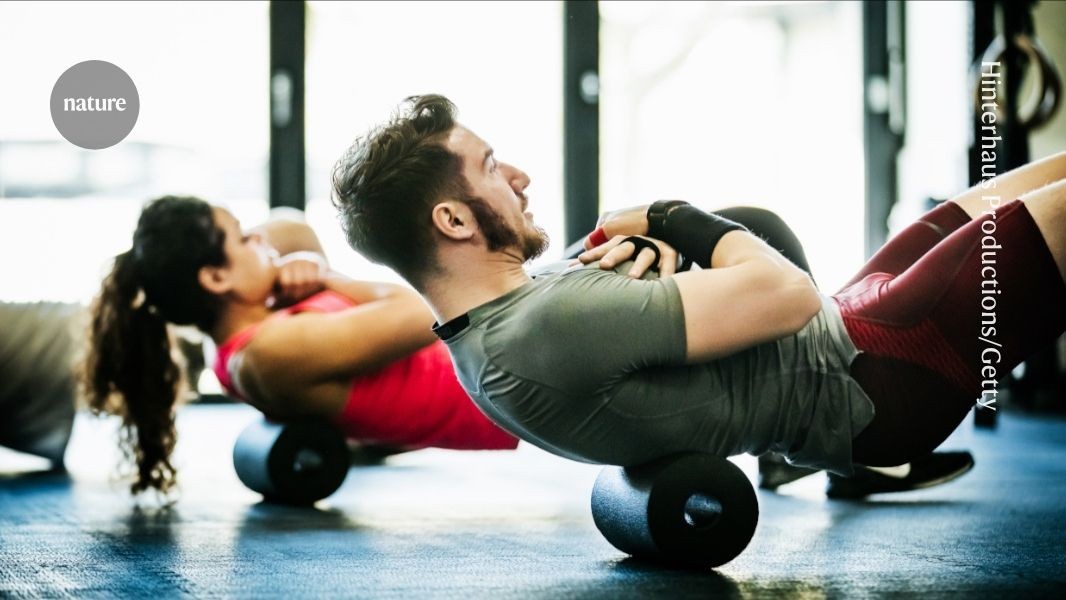
After a tough workout, your body enters a state of stress: muscle fibers are damaged, energy stores are depleted, and hydration levels drop. This is a critical moment. If your body gets the right nutrients, it starts rebuilding immediately. If not, recovery slows down, and so does progress.
I felt too intimidated to try weight lifting again on my own, but wanted to experience the benefits those gym workouts provide, which is quite different to my typical routine of pilates, tennis and pole. Simultaneously, I've been working toward a solid home gym situation (while understanding my limited space in a one-bedroom in Queens). I began investigating full out home gym tech, and AEKE stood out as the most exciting of the bunch, because it most similarly aligned with having a personal trainer. I tried out the AEKE Smart Home Gym K1 with the Bench.
When you have an acute injury, your body is sending signals through the peripheral and central nervous systems and the immune system to say, hold on, I need to stop doing this so we can allow the tissue to heal, says Ericka Merriwether, a physical therapist and pain researcher at New York University. Rest, after all, is the first part of the familiar RICE therapy, which stands for rest, ice, compression and elevation.
I have evolved from someone who didn't think much of the bar except for resting my legs to thinking of it as an obvious life-saving precaution. Dr. Bourne shared several examples from Mammoth in which the bar could have saved lives, including the death of her former ski coach, who fell from a chairlift to his death, most likely from a medical event which may have been treatable.
The brain is the conductor of the orchestra, the muscles are the instruments. When your body is out of alignment, the orchestra is playing out of tune. Misalignment in the musculoskeletal system is frequently the root cause of chronic pain and the resulting poor posture.
Super shoes and ultralight gear make a difference, but with new advancements in artificial intelligence (AI) that can look at our running form and compare it to the ideal, analyze our nutrition intake from a simple photo and help us plan our diets, and offer guidance on training and recovery, the interwovenness of technology and running is only set to increase.
Cross training and running go together like peanut butter and jelly. If you build it into your schedule intentionally, strategically, and with a clear understanding of what you're trying to accomplish, you'll thrive. Megan makes the case that cross-training serves runners for several distinct reasons, and the right reason for you will shape how you approach it.
In this episode of the On Coaching Podcast, Steve Magness and Jon Marcus discuss the concept of 'fit but flat,' exploring the phenomenon where athletes excel in metabolic fitness but fail to perform competitively due to a lack of neuromuscular coordination. Using examples like middle-distance runner Ingram Brion, the hosts delve into how metabolic training alone can lead to race failures.