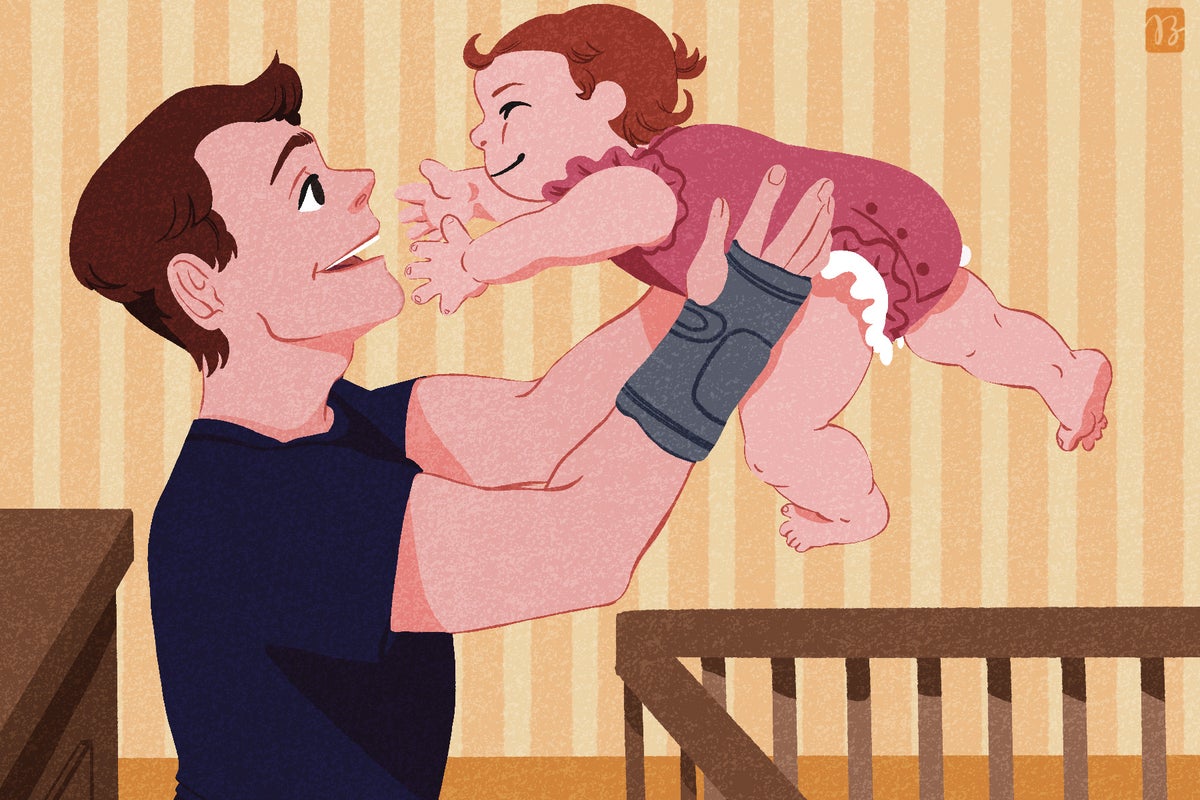
"When you have an acute injury, your body is sending signals through the peripheral and central nervous systems and the immune system to say, hold on, I need to stop doing this so we can allow the tissue to heal, says Ericka Merriwether, a physical therapist and pain researcher at New York University. Rest, after all, is the first part of the familiar RICE therapy, which stands for rest, ice, compression and elevation."
"But experts no longer believe RICE is the best strategy for recovery. They especially quibble with the first step: rest. Even Gabe Mirkin, the sports medicine physician who coined the RICE acronym in 1978, has acknowledged that newer evidence suggests other approaches are more effective. Resting an injury can alleviate pain and may be necessary in the short term, especially for injuries such as muscle tears, which might be exacerbated by movement."
When an acute injury occurs, the peripheral and central nervous systems and the immune system send signals to limit movement to allow tissues to heal. Rest can alleviate pain and may be necessary briefly for injuries such as muscle tears. Prolonged immobilization causes muscles to weaken and lose stability and increases the risk that acute pain becomes chronic pain lasting more than three months. Movement, once deemed biologically safe, preserves strength and function. Early, controlled motion supports recovery and reduces the chance of long-term disability. Use-it-or-lose-it principles apply: appropriate activity promotes healing better than extended rest.
Read at www.scientificamerican.com
Unable to calculate read time
Collection
[
|
...
]