#mahon-point-shopping-centre
#mahon-point-shopping-centre
[ follow ]
#architecture #redevelopment #urban-development #affordable-housing #adaptive-reuse #retail #mall-closure #dublin

#affordable-housing
London politics
fromIndependent
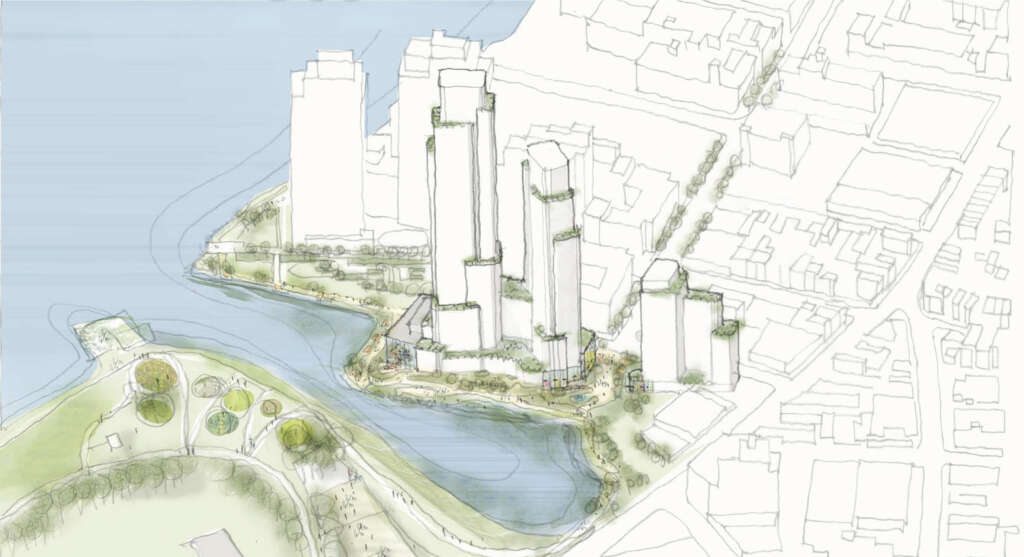
6 days ago'Greed is behind it': Ringsend locals threaten legal action over affordable housing at Johnny Ronan-led group's Glass Bottle site
Legally binding promises for affordable housing at the Irish Glass Bottle site have been broken, prompting potential legal action from local residents.


London politics
fromIndependent
6 days ago'Greed is behind it': Ringsend locals threaten legal action over affordable housing at Johnny Ronan-led group's Glass Bottle site
Legally binding promises for affordable housing at the Irish Glass Bottle site have been broken, prompting potential legal action from local residents.
fromianVisits
5 days agoLondon's Alleys: Yarmouth Place, Mayfair, W1
Originally known as Sneads Court on John Rocque's map of London in 1746, the area was wider and more of a courtyard than an alley. Over time, it was renamed Hertford Place and later Yarmouth Mews as the neighborhood evolved into larger hotels and grand houses.
London food
Boston food
fromIndependent
1 month agoPlans for Donald Trump's 'spectacular' Doonbeg ballroom appealed - 'Please refuse this nonsense'
Planning permission for a new ballroom at Trump International Golf Links in Doonbeg, Co Clare has been appealed to An Coimisiún Pleanála by a Longford environmental scientist.
fromBoston.com
1 month agoHere's what to know about the new $1 billion Gillette headquarters planned for Fort Point
Transforming our grooming business for the future required that we think creatively about every aspect of our operations. After a comprehensive search, we are pleased to have found a location that continues our longstanding history in this community.
Boston real estate
Real estate
fromIrish Independent
1 month agoEnergy efficient former show house in Harold's Cross transformed into a family friendly space
Show houses offer design templates and quality finishes that provide value even when buyers decline the furnished package, reducing renovation uncertainty and providing move-in ready homes.
fromPortland Mercury
1 month agoUpdate: Portland Design Commission Unanimously Accepts Revised Master Plan for the Lloyd Center Mall
A mind numbing amount of thought has gone into this on the part of the PPD, our bureaus, and the applicant. The transformation of the area from a less than penetrable megablock to an area with permeability represents significant urban planning progress, with potential for thousands of new housing units in the redeveloped space.
Portland
Washington DC
fromBoston.com
1 month agoA new six-story building could rise where a pizza shop and dentist now stand in Jamaica Plain
VinCo Properties proposes replacing a one-story building with a six-story, 35-unit residential apartment complex with first-floor retail near the Forest Hills T stop in Jamaica Plain.
fromPortland Mercury
1 month agoThe Save Lloyd Campaign Wants Some Say in What Happens to Lloyd Center Mall
Urban Renaissance, the real estate development group that partly owns the mall, has a vision for what comes after demolition. The group's Lloyd Center Central City Master Plan wipes the venerable mall from the map in favor of development that will be familiar to most Portlanders: an intersecting street grid with green space and mixed-used architecture.
Portland
London food
fromTime Out London
1 month agoOne of London's most legendary shopping centres is getting a game-changing glow-up
Brent Cross shopping centre is undergoing a major £1.4 billion redevelopment featuring 150 new shops, 50 restaurants, a cinema complex, and hotel, with plans finalized by spring 2026.
fromTime Out London
2 months agoA radical new plan could create a new public plaza in London's West End
The road between Piccadilly Circus and St James's Park could be transformed into a massive public plaza and vehicles could be banned from Regent Street St James's, Waterloo Place and the south side of Piccadilly Circus. If the proposals are enacted, the pedestrianisation of certain roads would lead to more than 35,000 square metres of new public space, equivalent to more than five football pitches, created in the West End.
UK politics
fromTasting Table
2 months agoThis McDonald's In Ireland Is In One Of The Most Unique Locations In The World - Tasting Table
McDonald's locations in the United States tend to be pretty staid and uniform in design, but head abroad and things start to change. While there are a few American McDonald's that don't feature the traditional golden arches aesthetic, in historic international cities, you'll frequently find the burger chain housed in beautiful old stone and masonry buildings - with only a small McDonald's sign offering any hint of what's inside.
Food & drink
fromDesign Milk
2 months agoBean Buro Designs a Corporate Oasis in Hong Kong
Today's workplaces include biophilic facets to bring the outside in, but most are still relatively staid in design, with neutral palettes and traditional styling. Yet when Bean Buro was tapped to envision a new space for a global financial institution, the mangrove, a resilient coastal tree, was the surprising source of inspiration. "We consciously moved away from the typical corporate office template because our goal was to create an environment that truly nurtures well-being and spontaneous collaboration," says Kenny Kinugasa-Tsui, co-founder of Bean Buro.
Remodel
fromSFGATE
1 month agoThis Bay Area river town is the most interesting strip mall in California
The tiny town of Duncans Mills is a tribute to kinship. Named after two brothers, a pair of 19th-century Scotsmen who sailed lumber down the Russian River for building homes in San Francisco, the unincorporated Sonoma County community is now run by three sisters. Their parents started rescuing buildings from dilapidation in the area in 1970 and ever since, the family has safeguarded the revival of the rustic yet boutique village by the river.
California
Music
fromMetro Silicon Valley | Silicon Valley's Leading Weekly
1 month agoThe Albert Square in San Jose | Metro Silicon Valley | Silicon Valley's Leading Weekly
The Albert Square encourages listeners to rest and take space, offering catchy, introspective indie rock ideal for reflective drives and aging nerds.
Environment
fromIrish Independent
1 month ago10m Bettystown centre 'at direct risk of erosion' less than a year after opening
A newly built beachfront community centre and a long-standing Pitch n Putt club face coastal erosion risks and potential flood-relief delays, requiring proactive protection and funding.


San Francisco
fromABC7 San Francisco
2 months agoSan Franciscans say 'goodbye' to SF Centre as it permanently shuts its doors
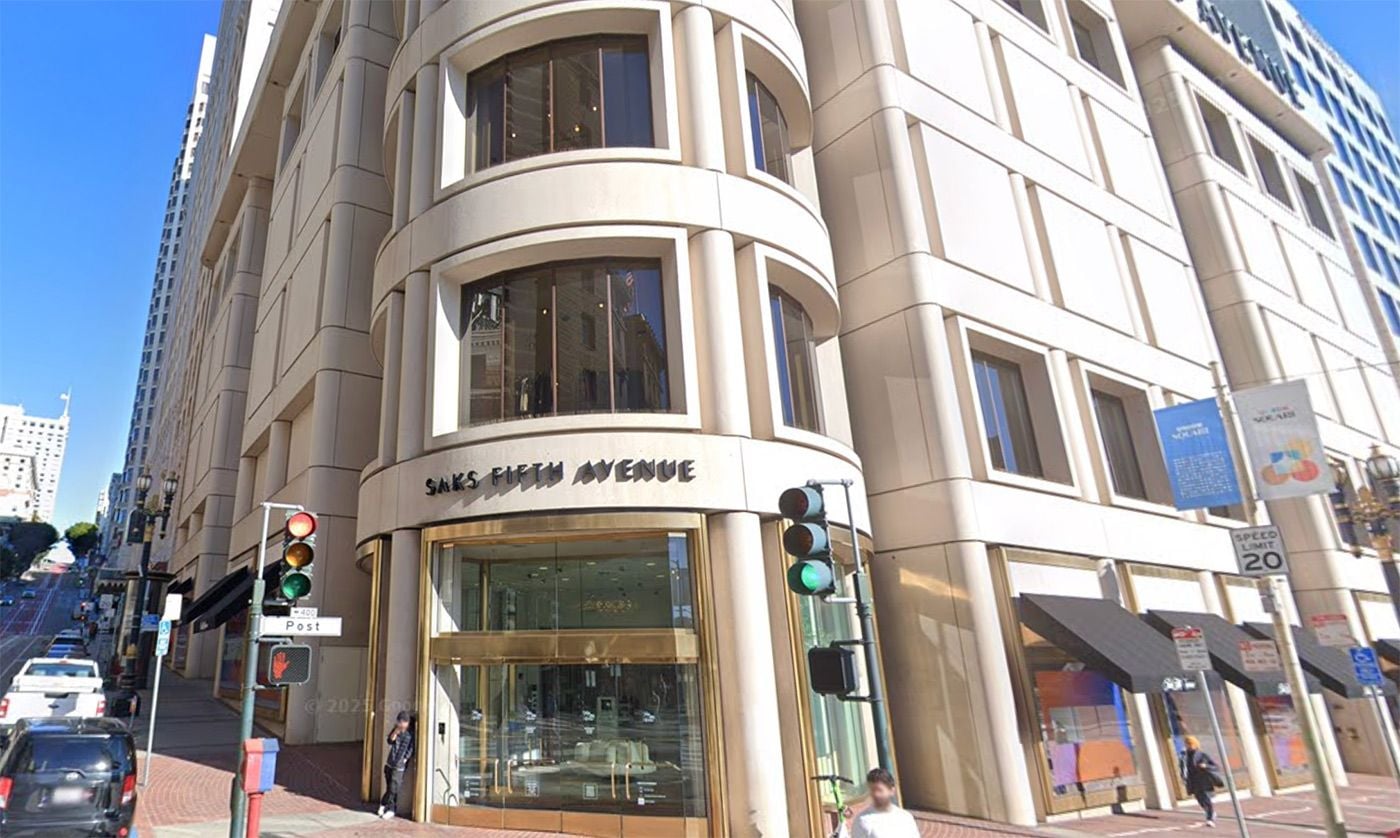
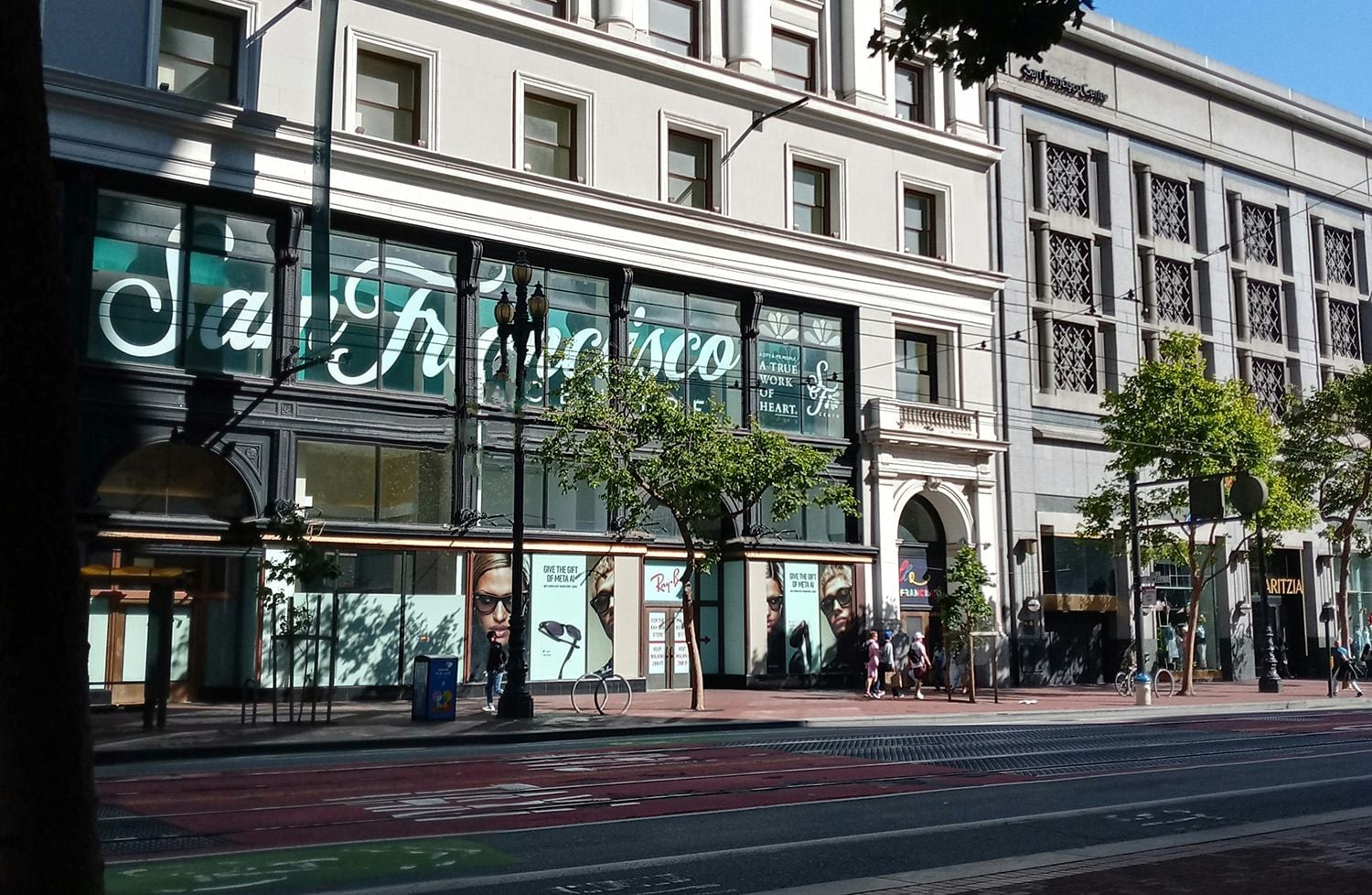
San Francisco Centre closed permanently after nearly 40 years following long-term decline and a foreclosure sale, prompting community nostalgia and plans for future redevelopment.
Boston real estate
fromBoston.com
2 months agoHigh-end Italian marketplace, Greek restaurant, luxury shops to replace Neiman Marcus at Copley Place
Copley Place will replace the closing Neiman Marcus with luxury boutiques, Casa Tua Cucina marketplace, Estiatorio Milos, and phased retail and dining openings through 2028.
London food
fromLondon On The Inside
1 month agoThe Space That Helps You Shop Better | Neighbourhood Watch
Better Things is an independent retail space in Forest Hill showcasing over 180 indie brands across ceramics, jewelry, homeware, and accessories, with rotating stock and pop-up opportunities for makers.
fromwww.archdaily.com
1 month agoSend Location Flagship Store / MEAN* (Middle East Architecture Network)
Aylul Studio + 19 Category: Store, Retail Interiors Project Team: Ahmed Wesam, Shushrut Shankar, Srushdi Ukidive Calligraphy Artwork: Muthanna Hussein Client: Khabib Nurmagomedov, Mohammad Hamed Country: United Arab Emirates More SpecsLess Specs Aylul Studio Text description provided by the architects. MEAN* (Middle East Architecture Network), led by Riyad Joucka, has completed the Send Location flagship store in Dubai, a 300 square meter interior conceived as a place of gathering as much as a place of retail.
Design
fromIrish Independent
2 months agoPlans revealed for pedestrianised College Green plaza in Dublin city centre
The sweeping changes include extensive greening and seating, two major water features, and a large paved events space in front of Trinity College. Early sketches for the space were revealed in June last year, but Dublin City Council (DCC) have refined them on foot of two rounds of public consultation and more than 2,800 written submissions. Extensive seating and a play space are also part of the project, with the council promising "an environment that encourages people to stop, relax and connect with the city around them."
Miscellaneous
fromTime Out London
3 months agoControversial development plans have been revealed for Brick Lane's legendary Truman Brewery
Brick Lane is one of London's most beloved, and buzzing, areas. Home to the largest Bangladeshi community outside of Bangladesh, nowadays the cobbled street in the East End is known just as much for its curry houses and vintage shops as its ubiquity of fashionable young shoppers, TikTokkers and trendy coffee shops. At the centre of Brick Lane is the great Truman Brewery. Currently, the building that was once London's largest brewery is home to food and vintage markets, record stores, music venues and more.
Real estate
East Bay real estate
fromwww.mercurynews.com
1 month agoSlatten Ranch Shopping Center lands Florida buyer
Sterling Organization, a Florida-based private equity firm, purchased Slatten Ranch Shopping Center in Antioch for $31 million, signaling continued investor interest in regional retail properties despite market challenges.
fromIrish Independent
2 months agoLong-vacant Cork city convent set for new lease of life as 52-apartment domestic violence refuge
a much-needed facility in the city. At the moment, we have a handful of domestic violence refuge beds in the city. I understand that we have six beds in Cuanlee [refuge] and maybe a handful more across the city. Otherwise, women and children are being sent to homeless services, which is completely inappropriate. This facility will meet their needs and it will provide vital services for women and children going through probably one of the hardest things any one of us could ever go through,
Miscellaneous
fromIrish Independent
1 month ago'I just couldn't live in one of those bland houses - I simply love colour' - A home full of character in Phibsborough
I just couldn't live in one of those bland houses, but I didn't have a plan for the interior design here. I simply love colour and I wanted to make the house feel warm and vibrant. The trend for grey and black, or beige and white interiors, has led to a plethora of samey-themed rooms that can look dreary, lack personality, and are unlikely to age well.
Renovation
fromwww.archdaily.com
2 months agoIn a Park Apartment / L Architects
Jovian Lim + 20 More SpecsLess Specs Jovian Lim Text description provided by the architects. In a Park is a renovation of an original three-bedroom apartment located in the northeast region of Singapore, designed for a horticulturist client. See allShow less About this office Published on February 09, 2026Cite: "In a Park Apartment / L Architects" 09 Feb 2026. ArchDaily. Accessed . ISSN 0719-8884
Renovation
[ Load more ]