#lake-tahoe-storm
#lake-tahoe-storm
[ follow ]
#weather #sierra-nevada #snowfall #lake-tahoe #california #snowpack #sierra-storm #skiing #weather-forecast







fromSnowBrains
1 day agoSnowBrains Forecast: Up to 10 Inches on the Highest PNW Terrain Midweek - SnowBrains
Timberline is the clear winner for open terrain with around 7-9 inches, while Mt. Bachelor picks up 4-5 inches but remains closed. Most Washington resorts look too warm or too dry for meaningful new snow.
Snowboarding
fromSnowBrains
2 days agoSnowBrains Forecast: Light High-Elevation Snow for South America Through Tuesday - SnowBrains
The ongoing Sunday night into Monday storm across the central Andes keeps producing mainly upper-mountain snow through Monday before tapering out by Tuesday morning, April 21. A realistic near-term outcome is about 16-20 cm at Las Leñas, 9-11 cm at Valle Nevado, and lighter 5-8 cm amounts around El Colorado, La Parva, and Portillo.
Snowboarding
Skiing
fromABC7 San Francisco
1 month agoShortening ski season: Sierra Nevada snowpack melting at 1% per day, officials say
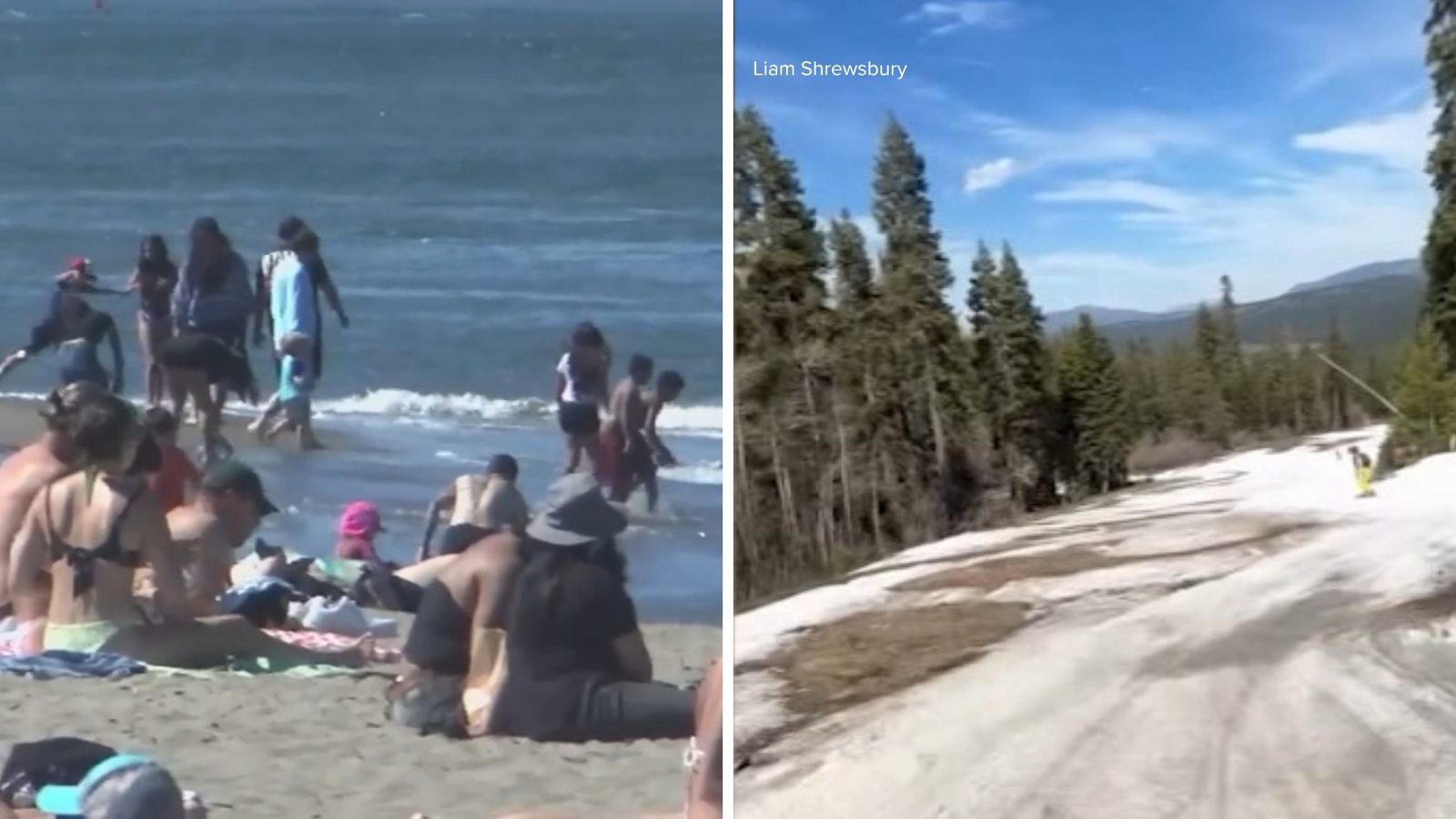
A heat wave is rapidly melting Lake Tahoe's already-depleted snowpack at 1% daily, threatening to create the second-lowest April 1st measurement in history, with cascading impacts on water supply, wildfire risk, drought conditions, and ski season viability.
fromSnowBrains
5 days agoSnowBrains Forecast: Up to 7 Inches for Colorado Friday, Then a Quick Return to Spring - SnowBrains
Friday's snow event is expected to be modest, with most open resorts like Arapahoe Basin and Breckenridge receiving a couple of inches, while closed areas like Snowmass may see up to half a foot.
Snowboarding
fromSnowBrains
5 days agoSnowBrains Forecast: 1 Meter Plus for New Zealand's South Island Through Thursday - SnowBrains
From Sunday afternoon through Tuesday night, the guidance lines up on a prolonged South Island storm cycle. Timing confidence is good, with snow pushing in Sunday afternoon and ramping hard Sunday night.
Snowboarding
fromSnowBrains
6 days agoSnowBrains Forecast: Light BC Snow, 10-20 Centimeters in Alberta Through Friday for BC/Alberta - SnowBrains
The ongoing storm is expected to add 13-16 cm at Banff Sunshine and around 4-5 cm at Lake Louise by Friday morning, with the deepest moisture focused on Alberta.
Snowboarding


fromSnowBrains
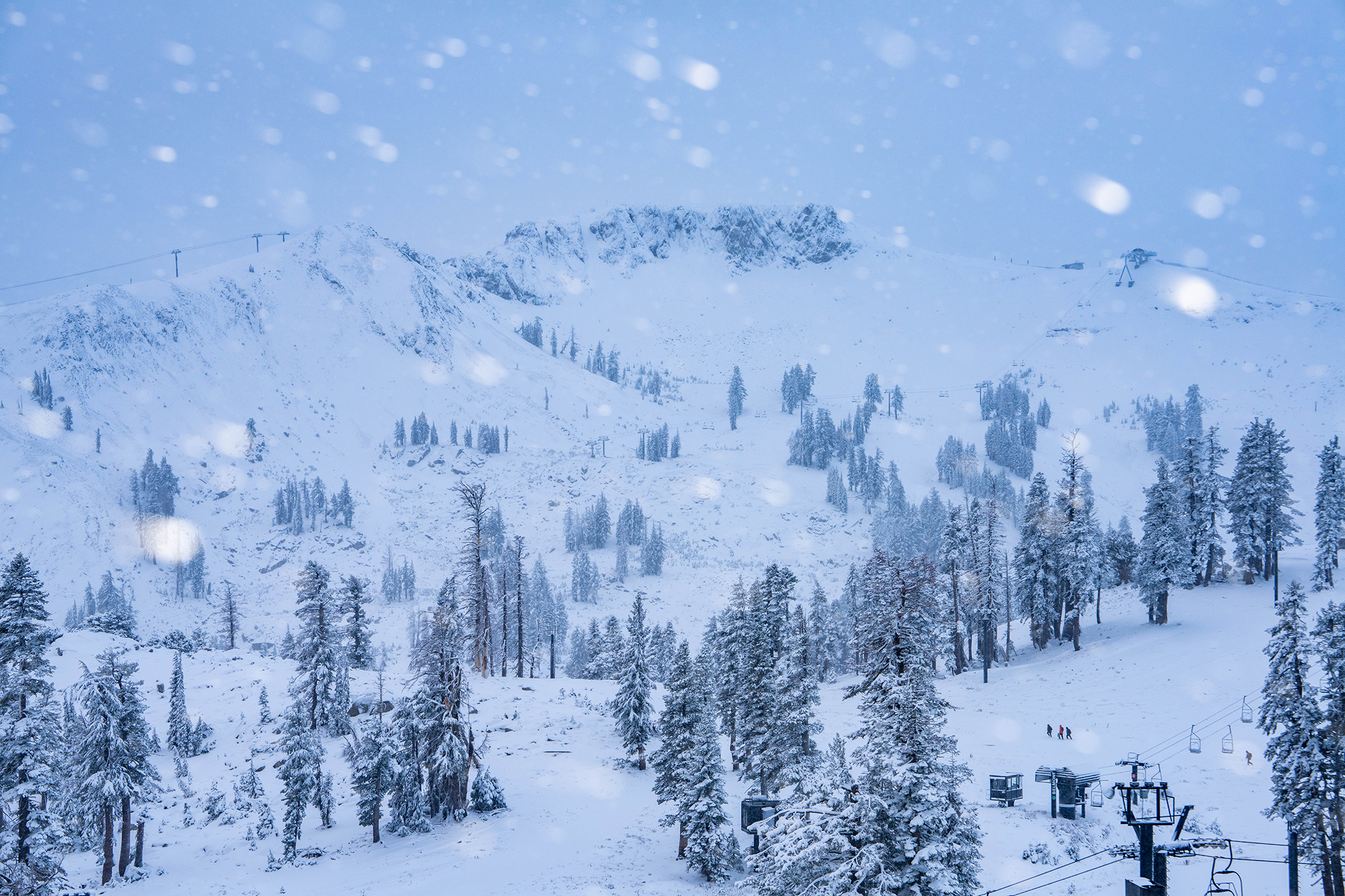
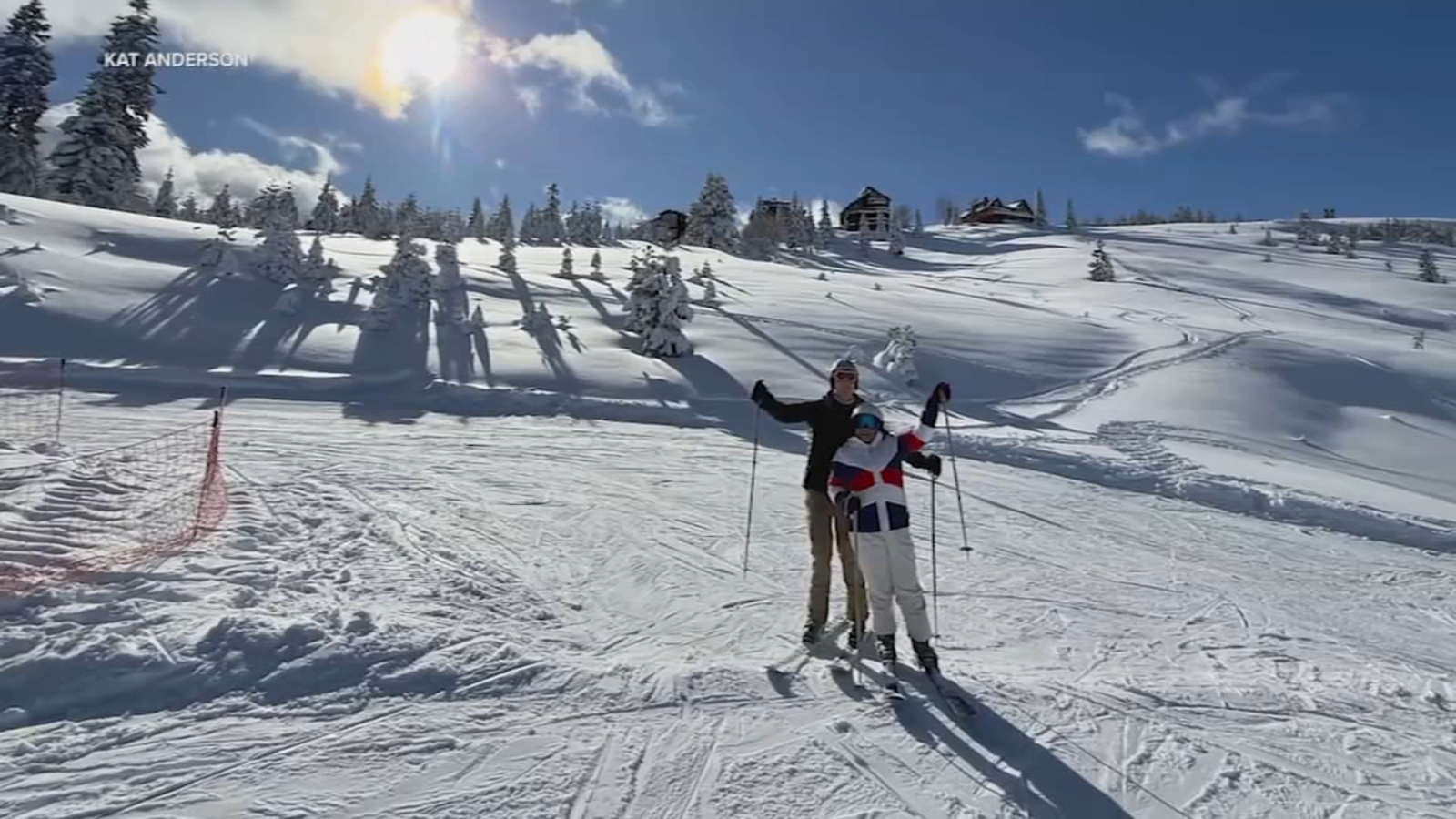
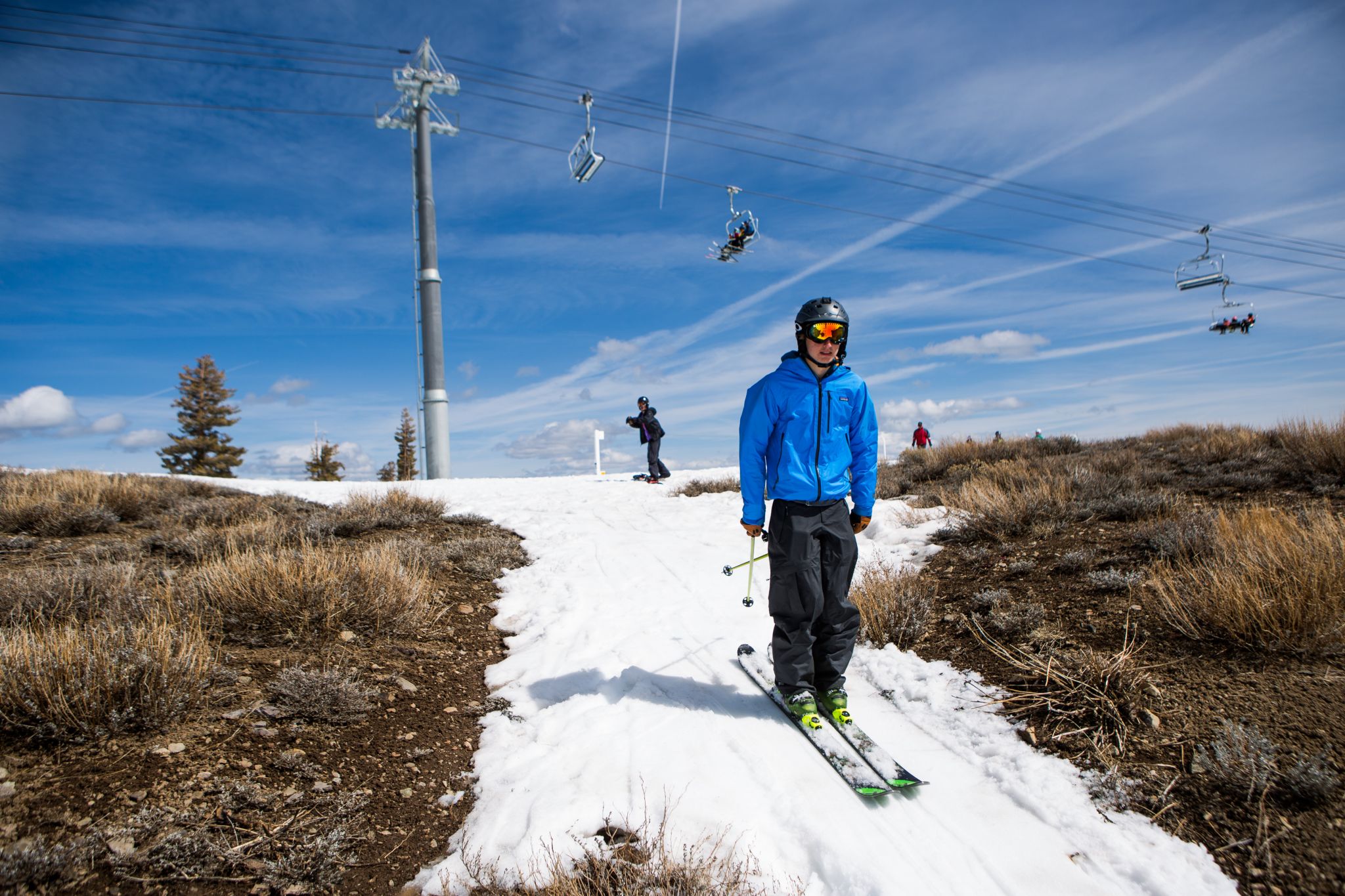
2 weeks agoLate Season Storm Brings Welcome Conditions Refresh to Mt. Rose Ski Tahoe, NV - SnowBrains
"We're always glad to welcome winter back, and this latest round of snow has ensured there are still great turns to be had as our spring season continues. Late season powder days are a bonus, and with the spring events and deals we have planned, it's not too late to get up here for some great skiing and riding!" - Mike Pierce, Marketing Director, Mt. Rose Ski Tahoe
Snowboarding




California
fromLos Angeles Times
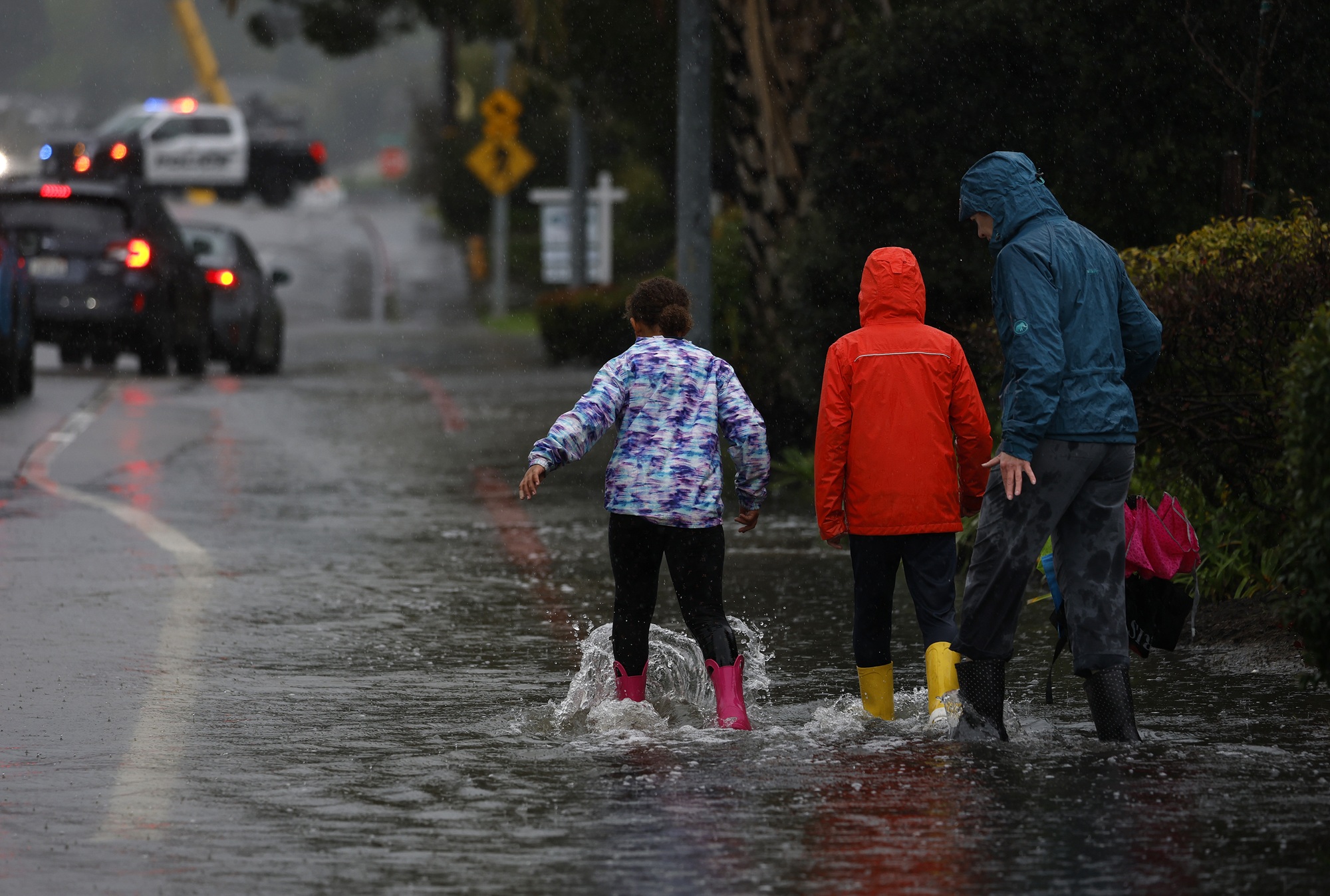
2 months agoFirst wave of nearly a week of rain hits Southern California. Snow expected for Mammoth, Tahoe
Southern California experienced heavy rains with flood watches, wind advisories, burn-scar evacuation warnings, and forecasts of significant rainfall and mountain snow this week.
fromwww.eastbaytimes.com
2 months agoThe Greater Lake Tahoe Area placed under a winter weather advisory until early Wednesday evening
The NWS Reno NV says to anticipate, Snow accumulations of 9 to 12 inches above 7000 feet. At lake level, 1 to 3 inches, with locally up to 6 inches. Wind gusts up to 35 mph at lake level, with gusts reaching up to 70 mph along the Sierra crest. Wave heights 1 to 3 feet on Lake Tahoe. Travel could be very difficult. The hazardous conditions could impact the Tuesday morning and evening commutes, as well as the Wednesday morning commute.
Environment
fromSFGATE
1 month agoThe surprising element that's boosting California's stubbornly low snowpack
SWE is the most important metric for all of our water resources. It's the metric that we deal with the most and the one that the entirety of the snow research and operations community is working to get right. So, seeing an increase in SWE like that, even if it's from mid-winter rain, is a great thing because that means we have more water stored in the snowpack moving forward.
California
Snowboarding
fromSnowBrains
1 month agoThe Western U.S. Could See A Rare Wet Slab Avalanche Cycle Next Weekend - SnowBrains
A historic heat wave with temperatures 20-30 degrees above average could trigger rare wet slab avalanches in Colorado and Utah by introducing liquid water to weak layers in the snowpack.
Snowboarding
fromSnowBrains
1 month agoFrom Zero to Hero and Back: California's Snowpack Reverses Course Twice in Just Weeks - SnowBrains
The 2025-2026 winter brought record-high temperatures and low precipitation across the American West, leaving the Sierra Nevada snowpack at half its April average until a historic 100-inch storm in mid-February was followed by rapid melting from warm rain.
Snowboarding
fromSnowBrains
1 month agoSnowBrains Forecast: Mostly Dry, Springlike Stretch for the California Sierra - SnowBrains
California Sierra will experience dry, springlike conditions with no new snow through mid-March, featuring above-normal temperatures and firm mornings transitioning to softer afternoons.
fromSnowBrains
2 months agoSnowBrains Forecast: Two More Feet for California This Week With Another Storm Brewing for Next Week - SnowBrains
Confidence is highest through Saturday because the individual models agree well on the timing of the Thursday storm and the following break. Southern California's mountains pick up a quick shot of snow on Thursday with strong winds, then dry out into the weekend. Beyond the weekend, the signal stays active, but model spread grows fast on storm timing, snow levels, and wind impacts, so expect meaningful swings from run to run.
Snowboarding
fromSnowBrains
2 months agoSnowBrains Forecast: Massive 8 Foot Storm Cycle Brewing for California Next Week - SnowBrains
Sun night (02/15) through Tue night (02/17) is the core punch, and many Sierra mountains can stack 20″-50″ in that window as snow levels crash. Expect a lighter start Sunday night, then snowfall rates ramp up hard Monday night into Tuesday with widespread coverage across Tahoe, the central Sierra, and down into Mammoth. Snow levels begin around 5,000 to 5,500 feet early, then fall into the 1,500 to 2,500-foot range by Tuesday and Tuesday night, which helps keep even lower terrain in play for all-snow.
Snowboarding
Snowboarding
fromSnowBrains
2 months agoSnowBrains Forecast: 18 Inches for California This Week Ahead of a Massive Storm Cycle Next Week - SnowBrains
Two Sierra storms will bring a midweek reload with 5–17 inches in most Tahoe/central Sierra resorts and a colder, more impactful Valentine's Day weekend storm.
fromSnowBrains
2 months agoSnowBrains Forecast: Massive Storm Will Drop 100+ Inches on California This Week - SnowBrains
Two waves drive the bulk of the snow, with a relatively higher snow level and denser snow early, followed by a colder surge that improves powder quality and brings the strongest winds. Expect long stretches of snowfall for the Sierra with only brief lulls, plus periods of wind-driven, low-visibility skiing on upper mountain. Southern California gets meaningful mountain snow as well, but snow levels are a bigger deal there and the best accumulation favors higher terrain.
Snowboarding
[ Load more ]