Cooking
fromTasting Table
1 day agoWhy Deli Pasta Salad Tastes So Much Better Than Homemade - Tasting Table
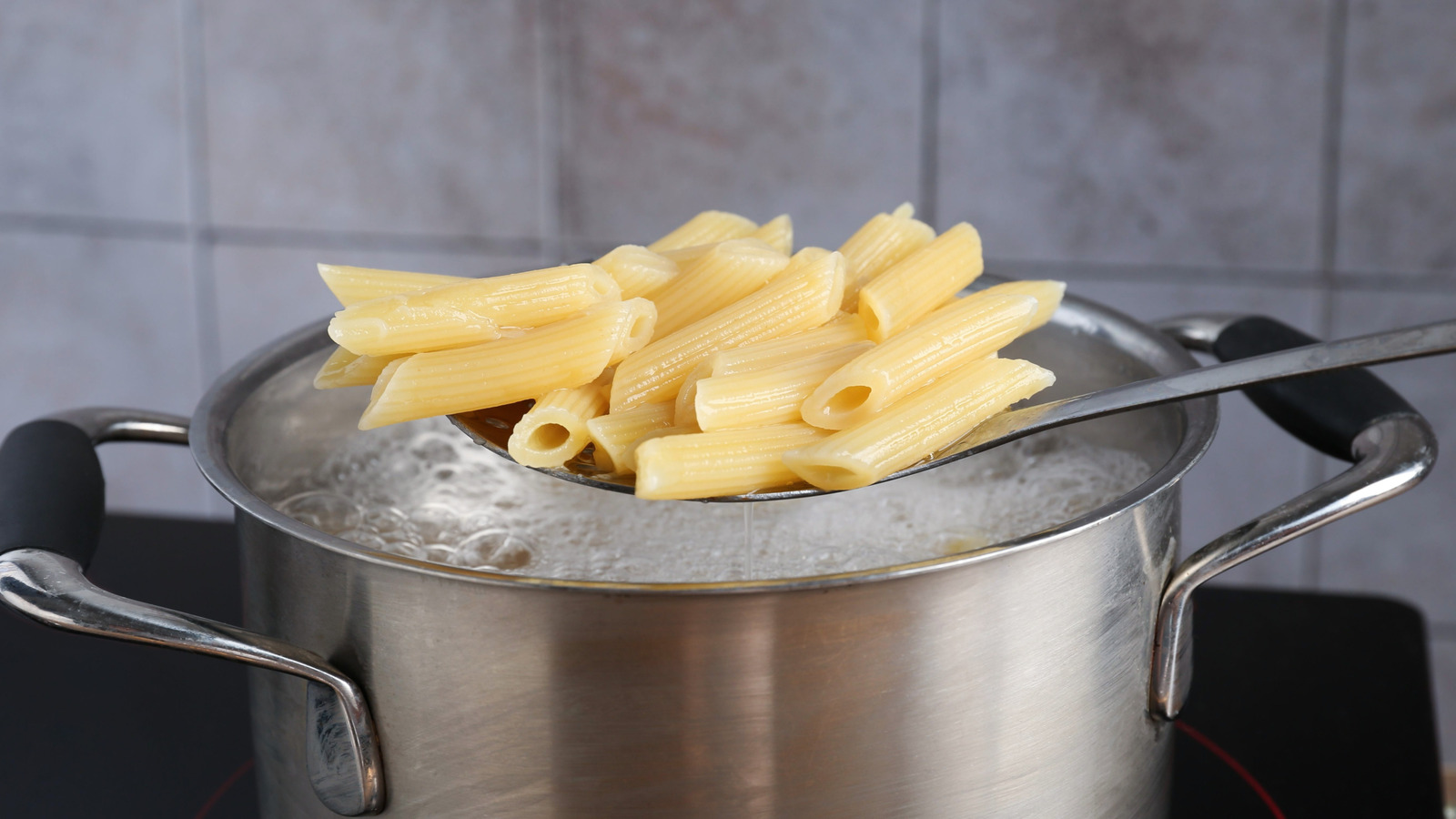
Quality ingredients and proper cooking techniques are essential for making a great pasta salad at home.
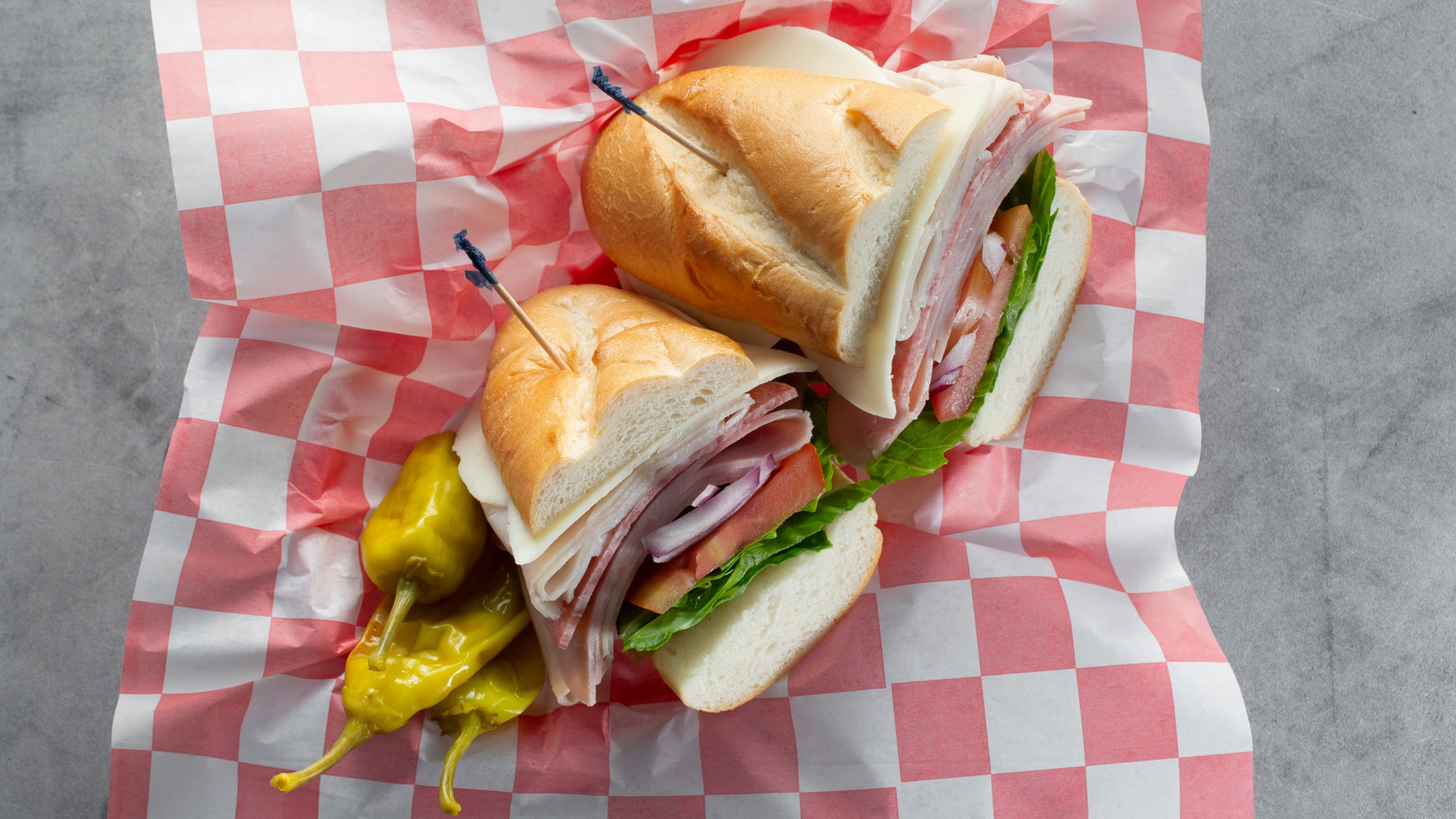
Many of the sandwiches we refer to as Italian sandwiches in America are usually not Italian at all. Rather, they are Italian-American creations, developed by immigrants from Italy or their descendants to suit a fast-paced lifestyle in their new country.
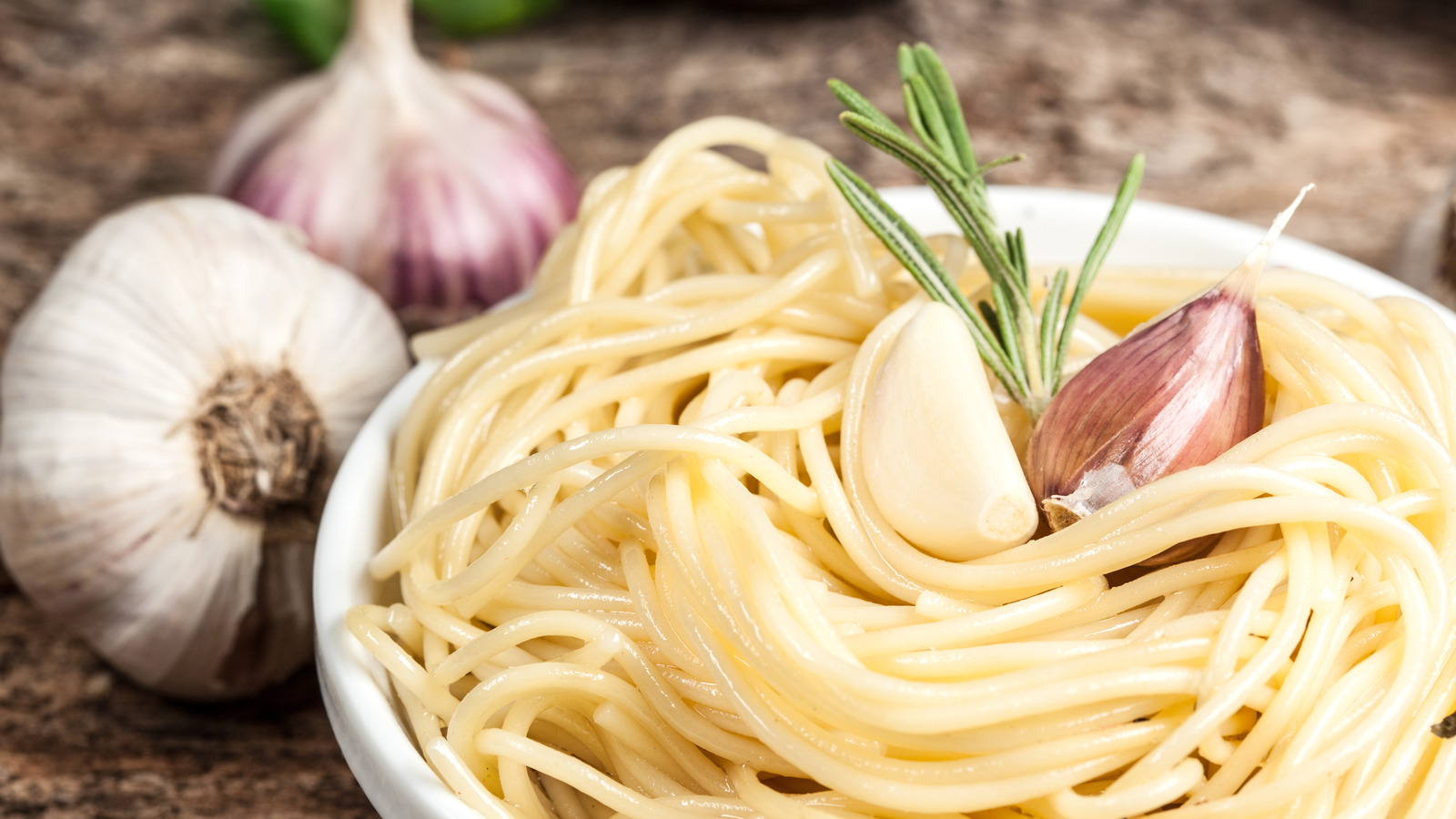
I use a lot of vermouth actually. Obviously it's a fortified wine and so therefore it has a lot of flavor. When I'm doing pastas, for example, I'm using white vermouth sometimes. If I'm doing a seafood pasta with clams, it's amazing. People are like, 'What's that flavor in there?'
Italy could soon be set to ban horse meat as part of a law that would define equine animals including horses, donkeys and mules as pets, therefore making it illegal to kill them. The bill has been drafted by Michela Vittoria Brambilla, a politician with Noi Moderati, a member of Giorgia Meloni's ruling coalition, and is backed by opposition parties. If approved, it would impose jail terms of up to three years and fines of up to 100,000 (87,000) for the slaughter of equines.
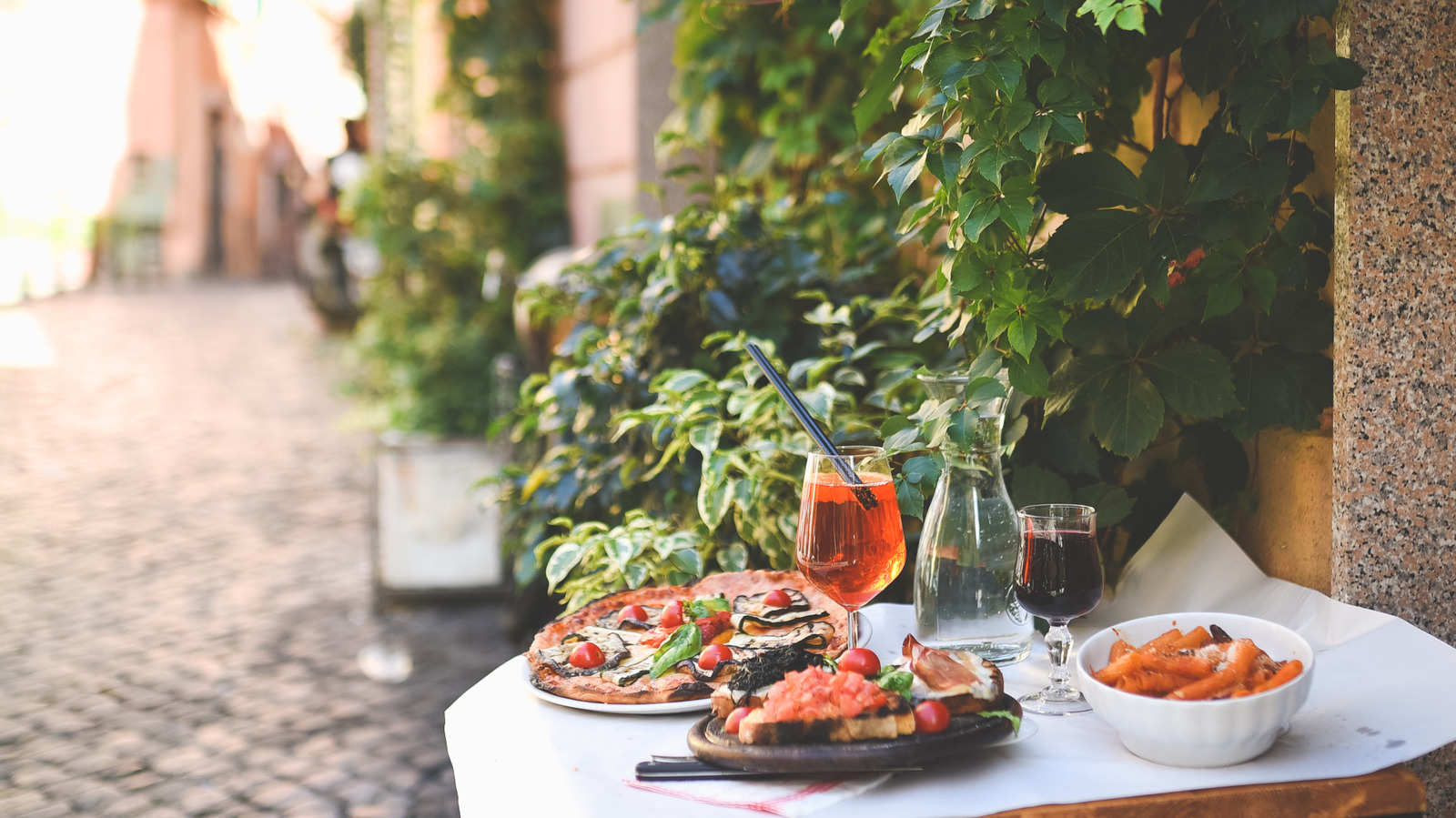
Historically speaking, an osteria was a spartan, no-frills establishment where people would go to have a drink. The original osterias date all the way back to the Roman Empire. If you go to Ostia Antica or Pompeii, you find the osterias of the era. They were like bed-and-breakfasts, with rooms for rent above the dining room where people could listen to music.
Pecorino Romano is one of the oldest cheeses in the world, with roots going back to Ancient Rome. But today, most of it is no longer made near Rome at all. In this episode, we visit I Buonatavola, one of the very last producers still making Pecorino Romano in Lazio, the cheese's original territory, to understand how global demand, especially from the United States, reshaped where and how this cheese is made. We explore the differences between Pecorino Romano made in Rome and the versions
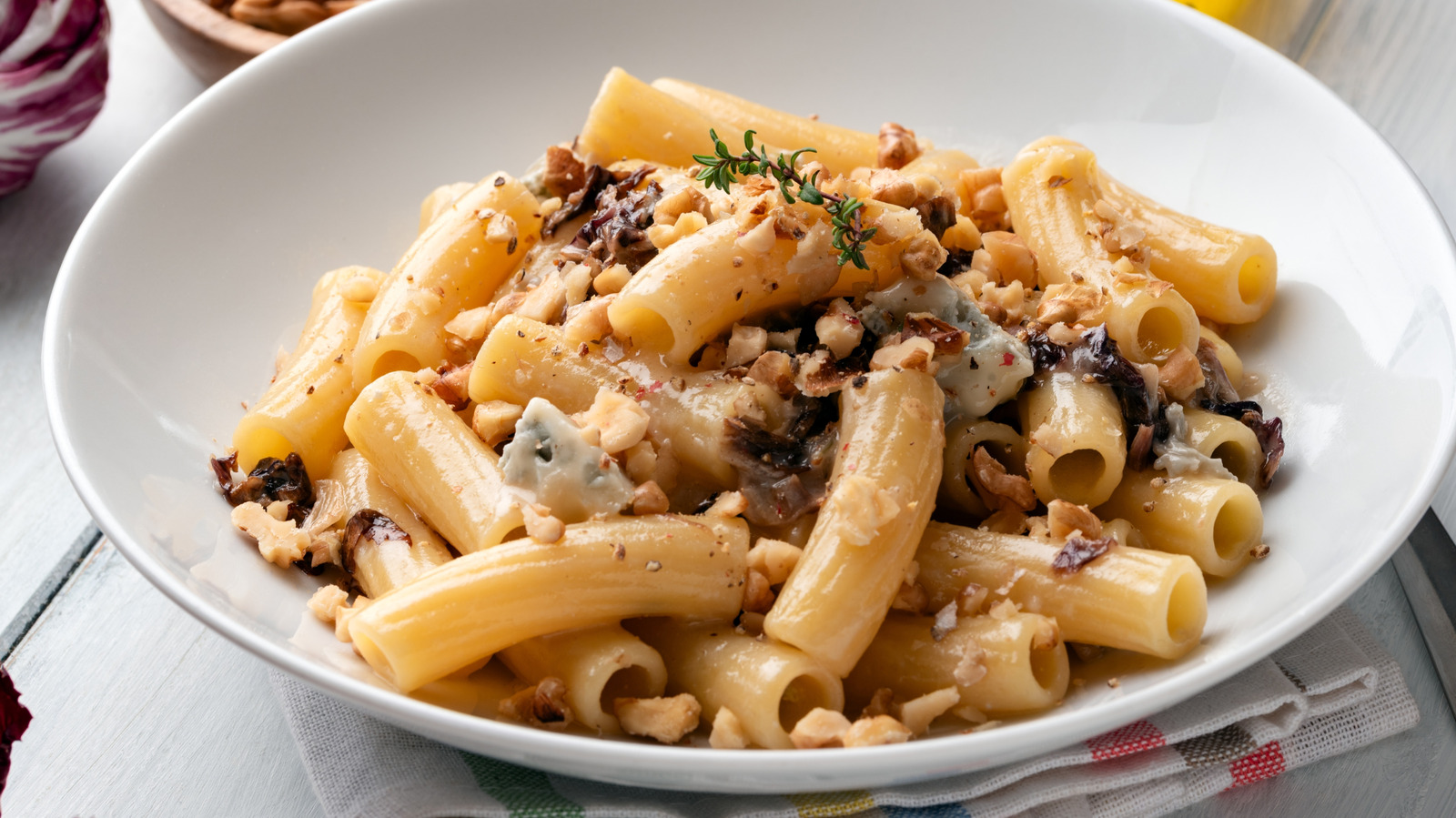
Pasta and peas was one of the staple meals my mom made for us growing up. We probably had it at least once a week. She learned the recipe from my grandma Tina, and it was a simple, inexpensive dish to throw together-just pasta and frozen peas cooked with a bit of chicken broth and aromatics topped with grated parm.
This coccoli, which can be a street food or restaurant appetizer, is truly an icon in Florentine - a term that simply means "from Florence" - fare. The word "coccoli" translates literally to "cuddles," and these fried dough balls do indeed feel like warm little hugs. They're about the size of dumplings; served hot, they've got a crispy exterior to crack into - with just the right amount of grease - where you'll find both fluffiness and chewy doughy-ness all at once.
Northern Italian cooking is built for long meals, cold weather, and patience, which is exactly the sort of food you want when settling in for hours of competition. From Lombardy and Piedmont to Emilia-Romagna and Liguria, these regions favor slow braises, creamy risottos, rich broths, and breads meant to be torn and shared. Whether you're feeding a crowd or committing to a cozy afternoon
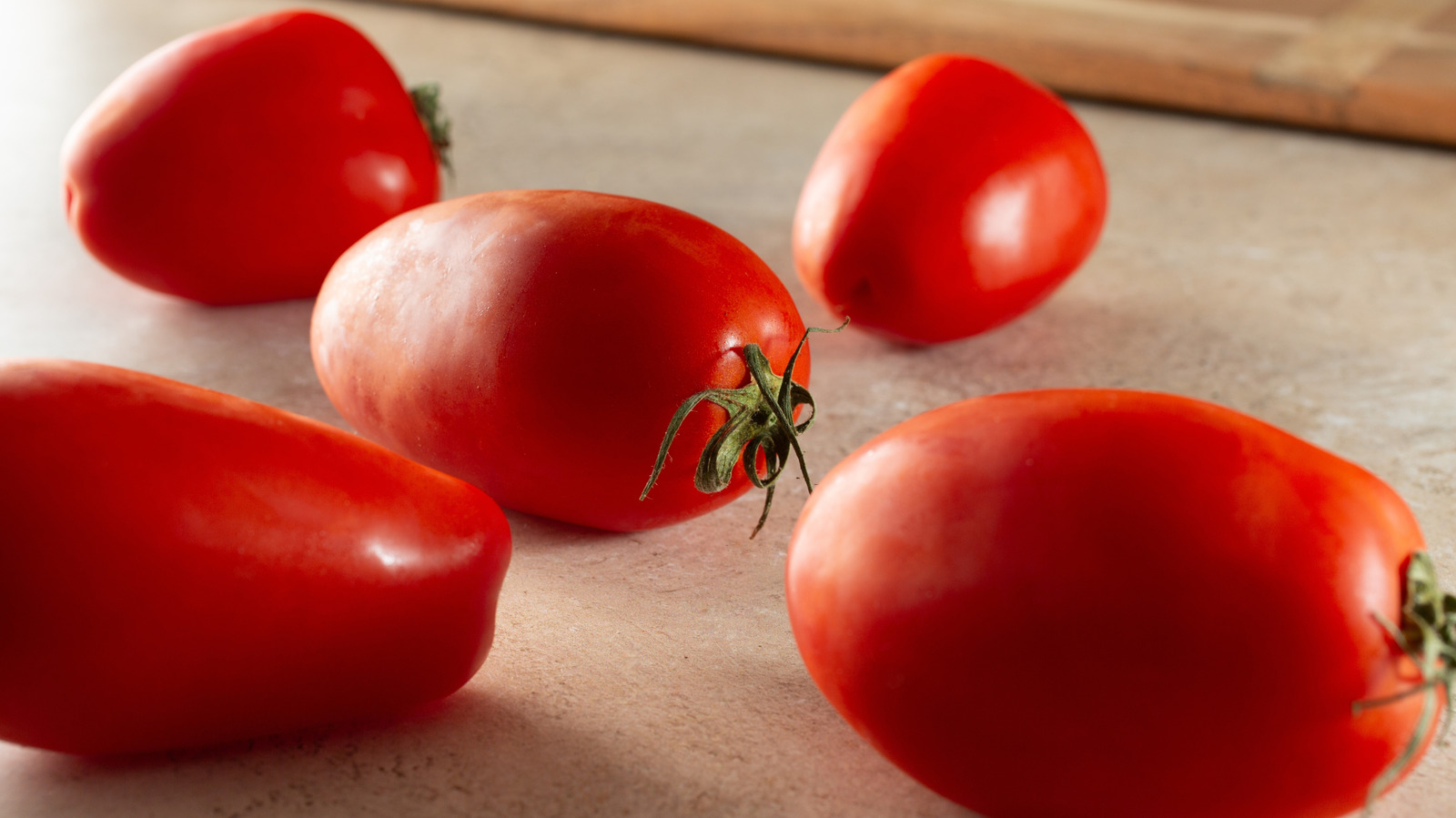
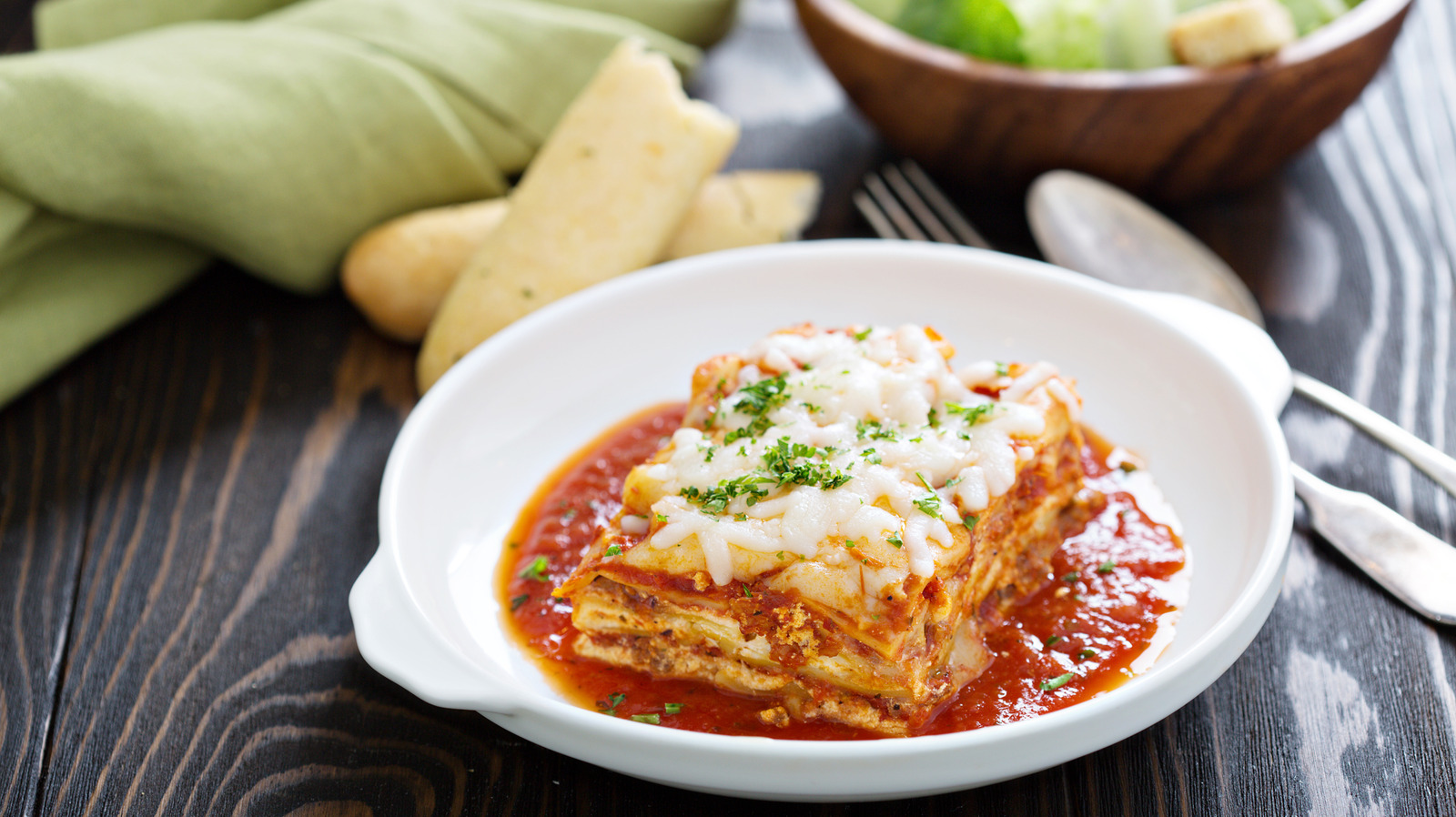
Italian cuisine is among the most famous in the world, and for good reason. Iconic dishes like pizza and pasta are fan favorites no matter where you are in the world. And these two categories of Italian food in particular showcase the most classic Italian sauce, red sauce. Red sauce can be a stewed tomato sauce or a simple marinara sauce. While traditional recipes uphold strict standards that ban certain ingredients, an unconventional yet gourmet upgrade to Italian tomato sauces is balsamic vinegar.