#honey-conservation
#honey-conservation
[ follow ]
#biodiversity #conservation #beekeeping #gardening #pollinators #sustainability #honeybees #pollination #wildlife


fromTasting Table
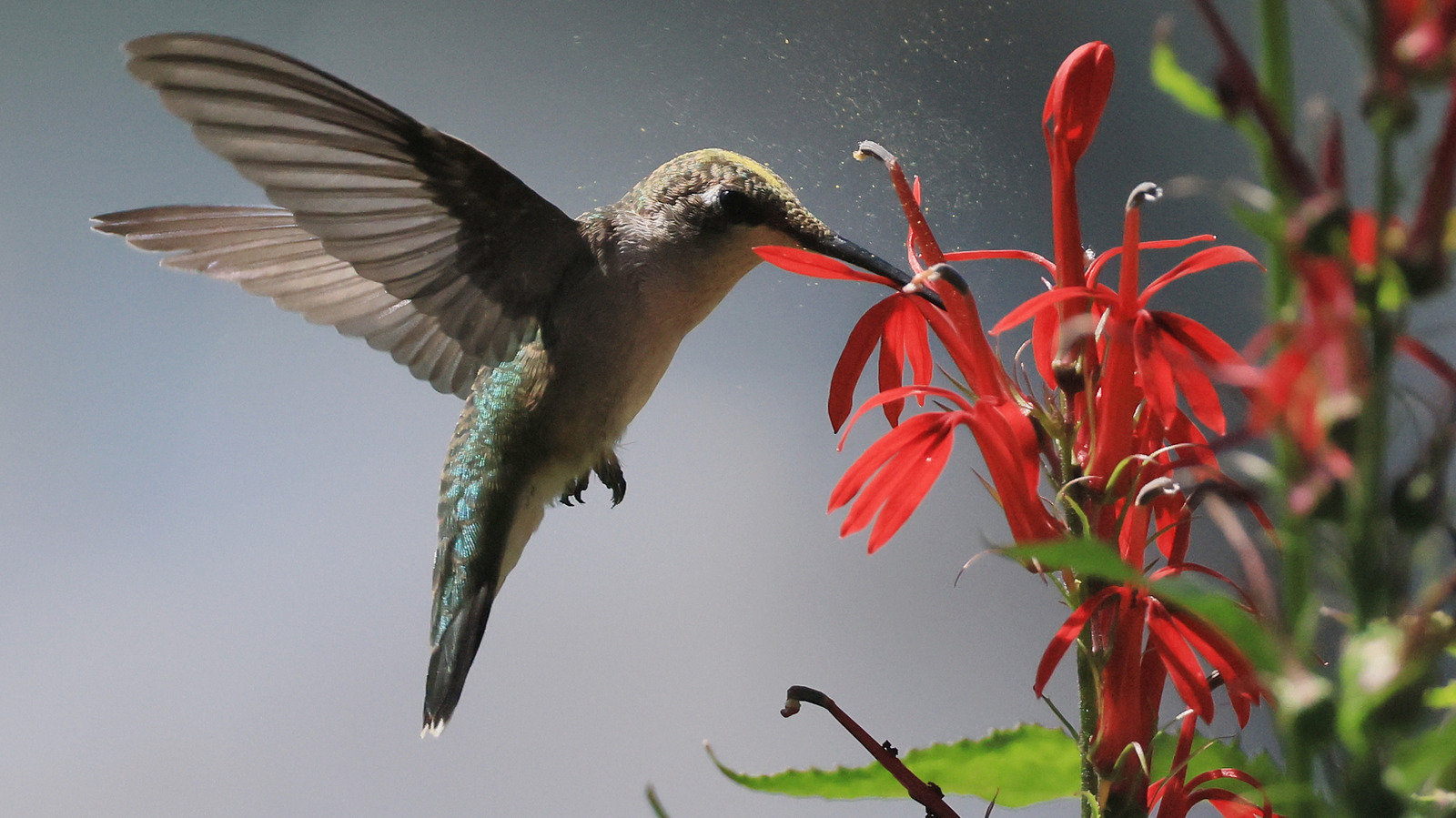
5 days agoGot A Little Extra Sugar? Make Your Garden A Buffet For Hummingbirds With One Easy Step - Tasting Table
To make hummingbird feed that is as close as possible to the nectar that the birds consume naturally, only use refined white sugar and water. Do not add anything else, especially not red dye, which can be harmful to hummingbirds.
Pets
fromTasting Table
2 weeks agoSave An Old K-Cup - Your Hummingbirds Will Thank You - Tasting Table
This crafty upcycling project converts K-Cups into bubbling fountains that are magnetic to these charming creatures. You'll need a solar pump kit, a straw, a plastic shoebox, glue, scissors, skewers, and a soldering iron to put the project together.
Renovation
fromTheregister
3 weeks agoBees and hummingbirds get trace alcohol from nectar
A study by researchers at the University of California Berkeley has found that ethanol is surprisingly common in floral nectar, the sugary fuel that keeps pollinators alive. Yeast feeding on those sugars produces trace amounts of alcohol, and in this study, it showed up in 26 of the 29 plant species sampled.
Beer
Independent films
fromwww.scientificamerican.com
3 weeks agoTitanic and Avatar director James Cameron explains why bees are his latest fixation
James Cameron's documentary, Secrets of the Bees, reveals the complex behaviors and society of honeybees, challenging common perceptions of their intelligence.
fromTasting Table
3 weeks agoIs It Safe To Eat Honey If You Have A Bee Allergy? The Answer Is Sticky - Tasting Table
Individuals allergic to bee stings can safely consume honey because the venom produced by bees is not related to honey. The venom is injected through the stinger, while honey is produced from nectar.
Alternative medicine
London politics
fromwww.independent.co.uk
1 month agoMarket town pledges to save butterflies from shocking decline in UK first
Gillingham becomes the first UK local authority to commit to a nationwide challenge reversing butterfly population decline through habitat protection, pesticide elimination, and light pollution reduction.
fromwww.independent.co.uk
1 month agoBees can breathe underwater for a week, scientists discover
This study started from a discussion with my co-author and postdoctoral researcher, Sabrina Rondeau, whose recent findings showed that these queens can survive submersion for over a week, which is extraordinary for a terrestrial insect. We wanted to understand how that's even possible.
Science
fromwww.theguardian.com
1 month agoSmall changes in how we garden can make a big difference to birds | Letter
Around a third of UK gardeners use pesticides, and our studies found that house sparrow numbers, for example, were nearly 40% lower in gardens where the pesticide metaldehyde was used. By reducing pesticide use, you can actively encourage birds back into your outdoor spaces, as they rely on invertebrates such as slugs and snails as natural prey.
Pets
fromDaily Coffee News by Roast Magazine
2 months agoBrazilian Researchers Promote Targeted Application of Bees for Coffee
A small, stingless bee may be able to raise coffee yields while fitting into real-world pest control programs, according to a new study from Brazil. In a field study on full-sun arabica farms, researchers reported a 67% higher fruit yield on coffee branches closer to colonies of the native stingless bee Scaptotrigona depilis, compared with branches farther away. The study was recently published in Frontiers in Bee Science.
Coffee
fromABC7 Los Angeles
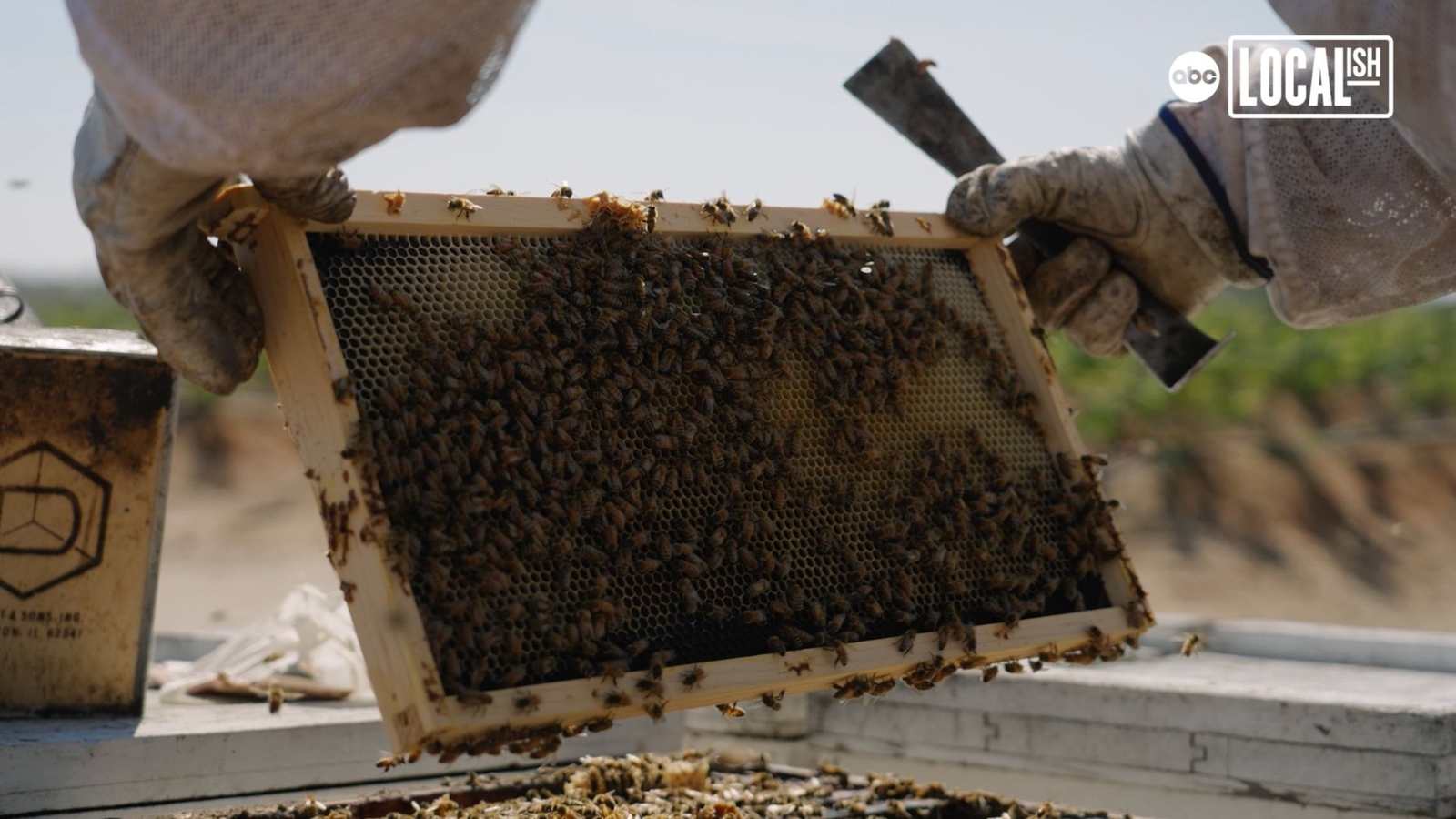
1 month agoWATCH: National Geographic's 'Secrets of the Bees' trailer from executive producer James Cameron
For its fifth anniversary, 'Secrets of' turns its lens to one of Earth's smallest yet most vital heroes: bees. Far more than pollinators, bees are socially complex, fast-thinking individuals and the most important insects on our planet. Their impact on the natural world and humanity is immeasurable, and we're only just beginning to see how extraordinary they truly are.
OMG science
fromTasting Table
2 months ago11 Common Mistakes To Avoid When Using Beeswax Wrap - Tasting Table
If you spend a lot of time in the kitchen, you may find yourself needing to use a lot of disposable plastic products, from plastic bags to plastic wrap. While these tools can come in handy once in a while, a lot of sustainability- and health-conscious home cooks try to avoid them as much as possible. There are concerns that chemicals leached from plastic wrap could cause health issues, and being disposable and decidedly not biodegradable, many view these types of food storage tools as bad for the environment as well (and a great way to cut down on plastic waste in the kitchen).
Environment
fromwww.theguardian.com
1 month agoHow an annual wedding flight' of 1,000 virgin queens is ensuring the revival of Europe's dark bee
Annual mating congregation in Chimay fertilises native European dark bee queens to restore and spread their genes to rebuild colonies across northwestern Europe.
fromwww.dw.com
2 months agoThe business of saving nature
The world spends 30 times more money destroying nature than protecting it. That's according to a new report from the United Nations Environment Programme (UNEP) that exposes a massive gulf between so-called "harmful investments" and financing that promotes nature preservation. The global environment agency's latest "State of Finance for Nature" (SNF) report is calling to phase out the US$7.3 trillion (6.2 trillion) in global investments that damage nature including into high-emissions energy infrastructure and manufacturing, for example.
Environment
fromInsideHook
2 months agoAn Essential Part of Farming Has Two Wings and a Beak
When you think of farming, what ingredients do you generally associate with a successful harvest? The basics certainly come to mind: fertile soil, plenty of sunlight and lots of water. But there are other variables that can also mean the difference between a crop of healthy fruits and vegetables and a large heap of organic waste. And it turns out that one of those variables is a very small hawk.
Agriculture
fromwww.theguardian.com
2 months agoRare butterflies bounce back after landowners in Wales cut back on flailing hedges
Conservationists have now persuaded landowners to cut hedges in a more gentle rotation, with sections left uncut for up to three years, to enable more eggs to survive over winter. The caterpillars emerge with the foliage in spring and hatch into adult butterflies in July. The brown hairstreak is difficult to spot as a butterfly but every winter volunteers assess its populations by counting its minuscule cream-coloured eggs, which with careful searching are visible on the bare branches of blackthorn.
Environment
[ Load more ]