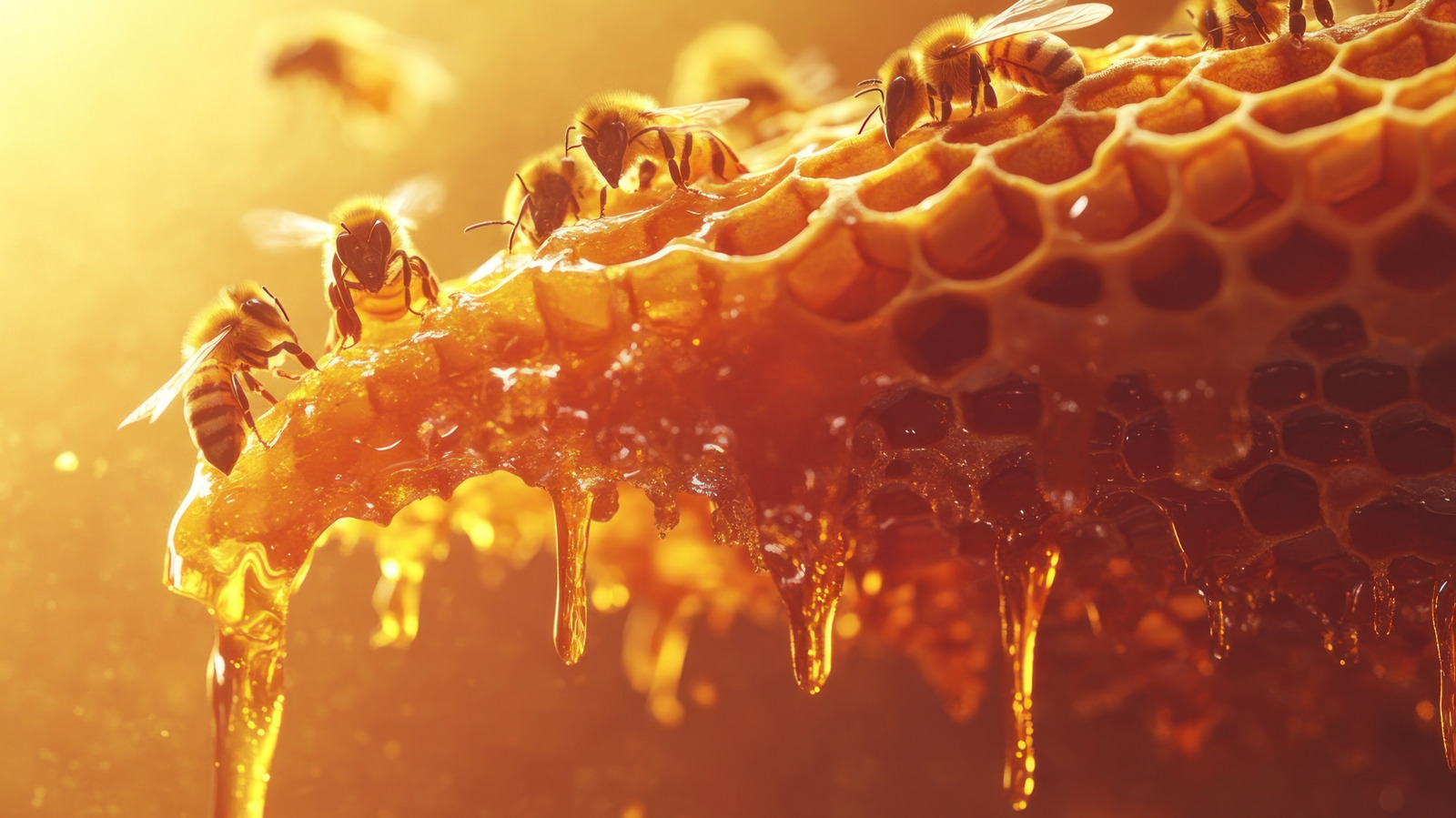
"Individuals allergic to bee stings can safely consume honey because the venom produced by bees is not related to honey. The venom is injected through the stinger, while honey is produced from nectar."
"Honey allergies, although rare, can lead to symptoms such as hives, vomiting, cramps, and diarrhea. It is important to recognize that some people may have an allergy specifically to honey."
"Raw honey may contain small amounts of pollen, which can be problematic for those with pollen allergies. This can result in mild itchiness, but the amount of pollen is usually minimal."
"There is a common myth that honey can treat allergies to bees or pollen, but this is false. Honey is simply a sweetener and does not have any medicinal properties for allergies."
Individuals allergic to bee stings can safely eat honey since bee venom does not contaminate honey. However, honey allergies, though rare, can cause symptoms like hives and gastrointestinal issues. Pollen allergies may also be a concern, as raw honey can contain small amounts of pollen, potentially leading to mild allergic reactions. Honey does not treat or prevent allergies, and other bee products like propolis and royal jelly can also trigger allergic responses.
Read at Tasting Table
Unable to calculate read time
Collection
[
|
...
]