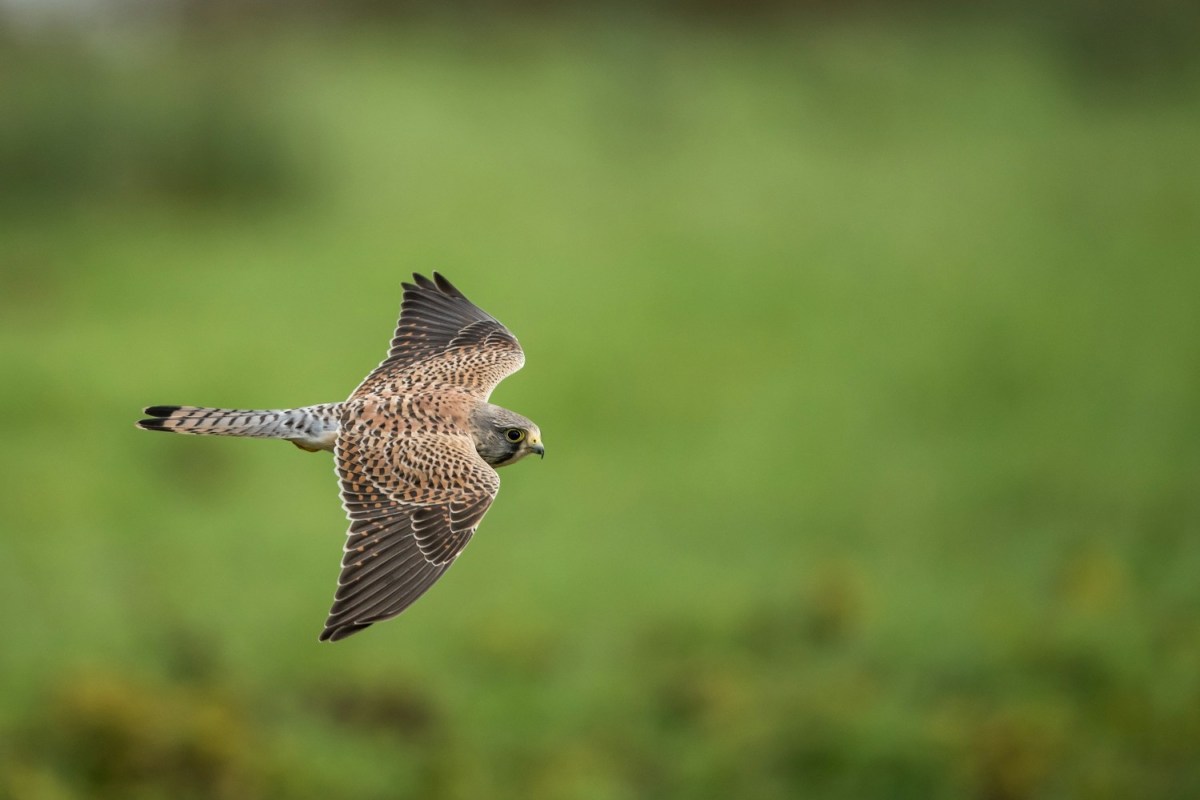
"When you think of farming, what ingredients do you generally associate with a successful harvest? The basics certainly come to mind: fertile soil, plenty of sunlight and lots of water. But there are other variables that can also mean the difference between a crop of healthy fruits and vegetables and a large heap of organic waste. And it turns out that one of those variables is a very small hawk."
"The scientists that undertook this research noted that some farmers add nest boxes to their farms to give birds of prey a place to nest. In the case of the kestrels, this seemed to be effective. The paper's authors found that "kestrels reduced bird density in fields, which reduced contamination of crops with bird faeces and crop damage." They went on to cite the inexpensive cost of nest boxes, arguing that they represent a cost-effective way towards better and safer crop harvests."
American kestrels nesting on Michigan cherry farms reduced bird density in fields, which lowered contamination of crops with bird faeces and decreased crop damage. Providing nest boxes gave kestrels suitable nesting sites and effectively reduced small songbird presence during critical seasons. Lower wild bird presence reduces the risk of foodborne pathogens that can infect humans. Nest boxes are inexpensive and represent a cost-effective method to protect crops and improve harvest safety. Some farmers reported visibly less fecal damage after installing kestrel nest boxes. Overly aggressive wildlife control can still produce adverse effects on local ecosystems.
Read at InsideHook
Unable to calculate read time
Collection
[
|
...
]