#biodiversity-loss
#biodiversity-loss
[ follow ]

Social justice
fromNonprofit Quarterly | Civic News. Empowering Nonprofits. Advancing Justice.
1 day agoEvery Nonprofit Is a Climate Organization Now, Whether It Recognizes It or Not | Nonprofit Quarterly | Civic News. Empowering Nonprofits. Advancing Justice.
Human-caused climate change is driving extreme weather and biodiversity loss, with U.S. impacts hitting marginalized communities most severely due to systemic inequality.
fromEarth911
3 weeks agoResearchers Find The Same Chemicals Wrecking Wildlife Fertility In Humans
The main finding is that pollution and climate change together are now the biggest single cause of biodiversity loss. The chemicals at the heart of this problem-phthalates, bisphenols, PFAS, and microplastics-are lowering fertility and reproductive success in many species, including humans.
Environment
fromNature
2 months agoPrevent pandemics through One Health commitments
Risks of outbreaks with pandemic potential rise with increasing land-use change, biodiversity loss and climate change. The Pandemic Agreement adopted by the World Health Assembly in 2025 marks a historic shift that establishes the One Health approach as a legally binding obligation for pandemic prevention.
Public health
fromwww.standard.co.uk
3 months agoAncient oak tree was healthy when it was cut down by Toby Carvery restaurant, report finds
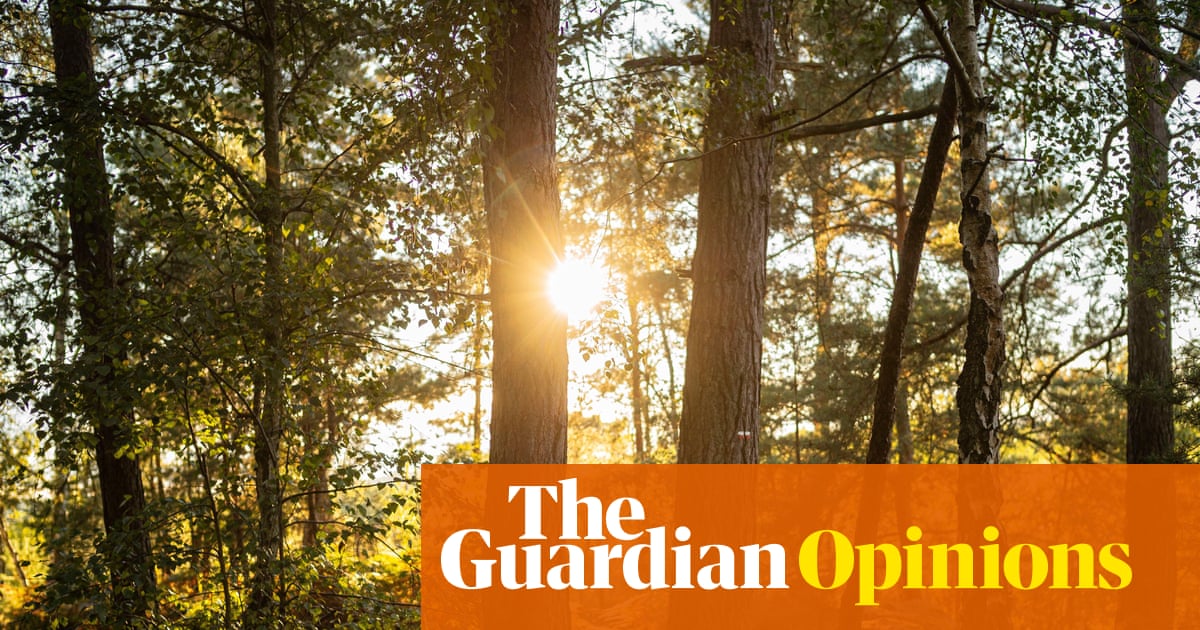
Confirmation that the Whitewebbs Oak was alive at the time of its felling felt inevitable. I visited the tree in the aftermath and there was absolutely no doubt in my mind the tree was very much alive. There were still green shoots and healthy buds and, in fact, just before the felling, tree VETcert-qualified consultants found the tree was in good health with a full crown.
Environment
fromenglish.elpais.com
3 months agoToday's birds are up to 72% smaller than those of 80 years ago in Indigenous territories
Between 1940 and 2020, the average body mass of birds in 10 Indigenous and local communities on three continents declined by up to 72%. For the Indigenous communities who were interviewed, birds often hold immeasurable symbolic and ceremonial significance. Thus, ritual dances, songs, and place names are at risk of being lost in the face of this loss of biodiversity.
Environment
fromNature
3 months agoBiodiversity conservation has an evidence problem - it's time to fix it
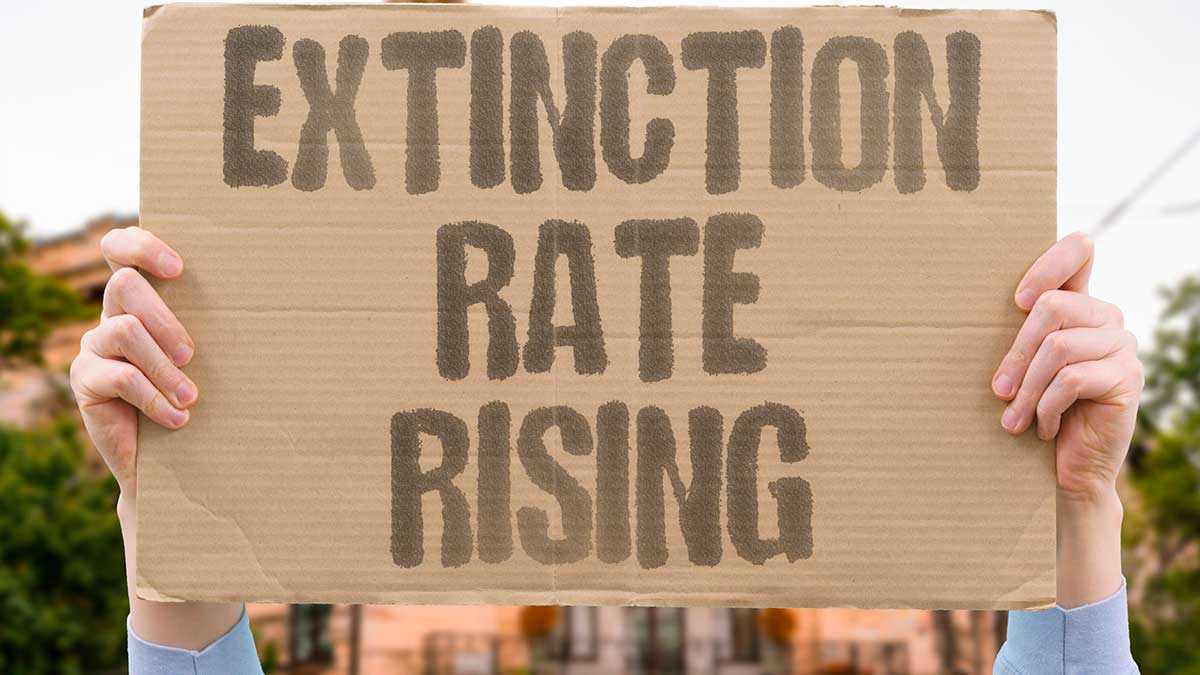
Biodiversity loss is continuing at an unprecedented rate, with species becoming extinct at between 100 and 1,000 times the average pre-human, or 'background', rate. Human activities are the main cause. Although there are hundreds of local, regional and international initiatives to conserve and sustainably use species and ecosystems, many conservation scientists worry that measures such as interventions to conserve individual species or incentives to create protected areas are not supported by strong evidence from research.
Environment
fromwww.theguardian.com
4 months agoThe UK government didn't want you to see this report on ecosystem collapse. I'm not surprised | George Monbiot
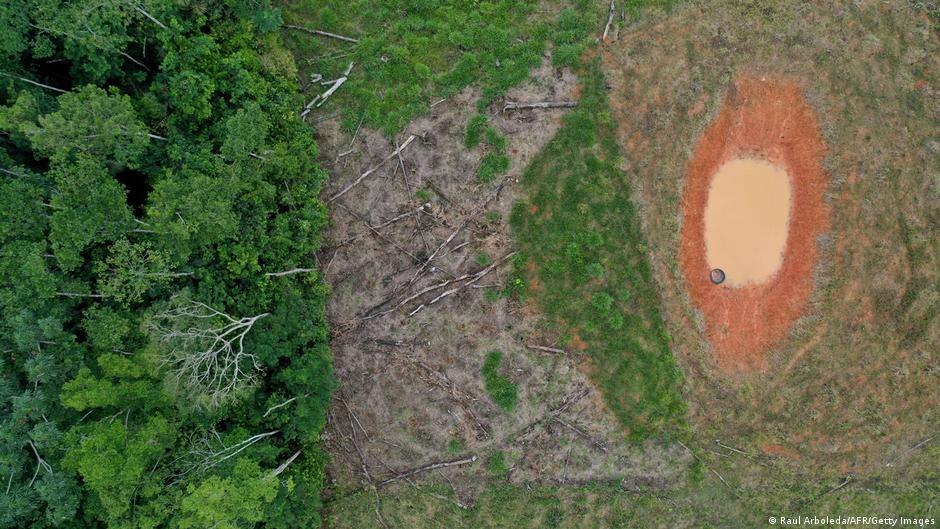
I know it's almost impossible to turn your eyes away from the Trump show, but that's the point. His antics, ever-grosser and more preposterous, are designed to keep him in our minds, to crowd out other issues. His insatiable craving for attention is a global-threat multiplier. You can't help wondering whether there's anything he wouldn't do to dominate the headlines. But we must tear ourselves away from the spectacle, for there are other threats just as critical that also require our attention.
UK politics
World news
fromenglish.elpais.com
4 months agoPower vacuum in Yemen threatens biodiversity of the one-of-a-kind Socotra archipelago
Geopolitical conflict between Saudi Arabia and the United Arab Emirates stranded tourists on Socotra and threatened its UNESCO-recognized biodiversity through contested development and militarized control.
fromwww.aljazeera.com
5 months agoScorching the Monk Forest: Israel's ecocide in southern Lebanon
Harj al-Raheb, or the Monk Forest, lies on the southern edge of Ayta ash-Shaab, a Lebanese village right on the border with Israel. Its 16 hectares (40 acres) are made up of two adjoining woodland areas, known locally as the Southern and Western Hima, that once enjoyed a degree of protection for their ecological richness and cultural value. In early October 2023, these slopes were still thick with oak, carob, terebinth, and bay trees.
Environment
fromNature
6 months agoWhy the global economic system should value life on our planet, not exploit it
An economist might celebrate a nation achieving record economic growth on one day, yet overlook a coral reef lying bleached and lifeless on another. This contradiction must be challenged, writes economist Partha Dasgupta in his elegant account of why the global economic system is exploiting, rather than sustaining, life on our planet. On Natural Capital recaps the roaring economic advances of the past 75 years, including improved life expectancies and education and fewer people living in poverty.
Environment
fromwww.theguardian.com
6 months agoBritain one of least nature-connected' nations in world with Nepal the most
Britain is one of the least nature connected nations in the world, according to the first ever global study of how people relate to the natural world. Britain ranks 55th out of 61 countries in the study of 57,000 people, which looks at how attitudes towards nature are shaped by social, economic, geographical and cultural factors. The most nature-connected nation is Nepal, followed by Iran, South Africa, Bangladesh and Nigeria, according to the study, which is published in the journal Ambio.
Environment
Public health
fromwww.theguardian.com
6 months agoThe nature extinction crisis is mirrored by one in our own bodies. Both have huge implications for health
Loss of internal microbial diversity parallels global biodiversity loss and reduced environmental biodiversity undermines human health by degrading the human microbiome.
Environment
fromenglish.elpais.com
7 months agoJason Hickel: As long as capital controls production, we will have perverse results'
Capitalism's profit-driven structure causes ecological collapse, rising inequality, and inadequate climate policies, requiring degrowth and redistribution to prioritize wellbeing.
fromwww.theguardian.com
7 months agoDon't even think about decking! How to create a nature-friendly low-maintenance garden
Paving over gardens with impermeable surfaces has and will continue to undermine urban resilience, says Prof Alistair Griffiths, the director of science and collections at the Royal Horticultural Society (RHS). Water can't get through concrete, asphalt and paving, which contributes to surface flooding and overwhelms the sewer system, leading to pollution runoff. Loss of vegetation also contributes to global heating. We've got these increased extremes of heat and if you lose green space, you lose that cooling effect, he adds.
Environment
Environment
fromNature
7 months agoDaily briefing: Corals have been pushed beyond an irreversible tipping point, says report
Surging global temperatures have pushed coral reefs past a climate tipping point, requiring rapid emissions cuts and improved governance to avoid further irreversible system collapses.
fromMail Online
7 months agoOminous warning for humanity as birds adopt 'unsettling' behavior
Birds throughout the US have adopted a disturbing habit that could have devastating implications for human society if it continues. Researchers have found that birds are abandoning their usual migration patterns, with warmer temperatures in their winter habitats disrupting their annual flights While delaying their yearly flight south may not sound like a major problem, a visiting scientist at Cornell University, Andrew Farnsworth, warned that it could lead to many bird species dying out and drastically altering nature.
Environment
fromwww.theguardian.com
7 months agoRevealed: Europe losing 600 football pitches of nature and crop land a day
Europe is losing green space that once harboured wildlife, captured carbon and supplied food at the rate of 600 football pitches a day, an investigation by the Guardian and partners has revealed. Analysis of satellite imagery across the UK and mainland Europe over a five-year period shows the speed and scale with which green land is turning grey, consumed by tarmac for roads, bricks and mortar for luxury golf courses and housing developments.
Miscellaneous
Environment
fromwww.theguardian.com
7 months agoEnvironmental damage is putting European way of life at risk, says report
Environmental degradation is severely damaging European ecosystems, undermining biodiversity, carbon sinks, water resources, adaptation capacity, and progress toward 2030 climate targets.
fromNature
8 months agoHow to build nature back better - read this manual
As biodiversity loss accelerates alongside the climate crisis, businesses are increasingly recognizing their role in both causing and potentially solving this planetary emergency. The scale of the problem is stark: humans and our livestock now make up around 96% of all land-based mammal biomass, leaving just 4% for the world's remaining wild species. But progress in combating such losses remains too slow.
Environment
Canada news
fromwww.cbc.ca
10 months agoAs this tiny frog disappears from Canada, conservationist warn fast-tracking bills put more species at risk | CBC News
The Blanchard's Cricket Frog is declared locally extinct in Canada, emphasizing the dire consequences of legislative changes on endangered species.
[ Load more ]