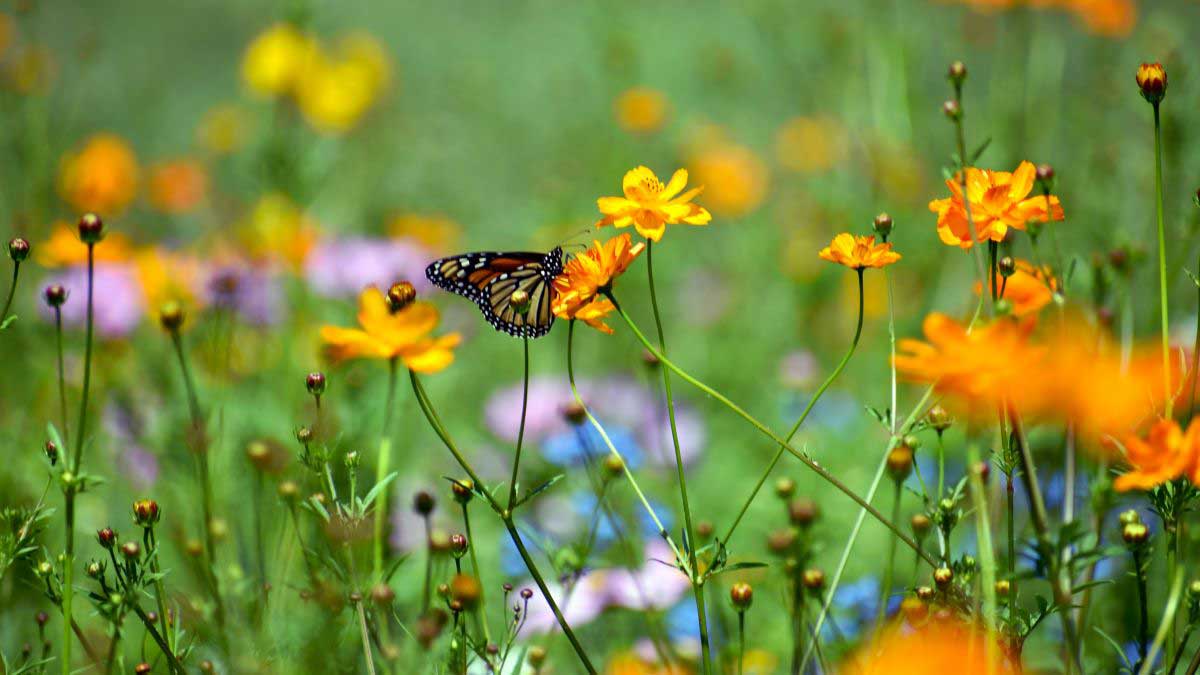
"As you browse this year's catalog, plan to help butterflies, bees, and birds keep our food system running. Plan your garden to give a lift to pollinators, which are responsible for the reproduction of more than 87% of the world's flowering plant species and contribute to roughly 35% of global crop production volume. But these essential workers are in serious trouble."
"A 2025 assessment of North American pollinators, the most comprehensive study of its kind to date, found that at least one in five native North American pollinators face elevated extinction risk. Among native bee species, 34.7% are at risk, with climate change, habitat loss, and pesticide use identified as the primary threats. Globally, approximately 40% of invertebrate pollinators, including bees and butterflies, face extinction risk."
Pollinators enable reproduction of over 87% of flowering plant species and contribute about 35% of global crop production. At least one in five native North American pollinators face elevated extinction risk, and 34.7% of native bee species are at risk. Primary threats include climate change, habitat loss, and pesticide use, with global invertebrate pollinator risk near 40%. Eastern monarchs have declined roughly 80% and some bumble bees show 57% or greater hive occupancy declines. Residential gardens produce 85% of urban nectar sugar and can provide 50–95% of nectar when farmland sources wane, making native, nectar-rich home gardens a critical safety net.
Read at Earth911
Unable to calculate read time
Collection
[
|
...
]