Arts
Arts
[ follow ]
#american-art #artist-support #brutalism #directing #independent-artists #alicia-partnoy #andy-warhol
fromArtnet News
3 hours agoAt Rago/Wright Contemporary Icons and Modern Masters Headline
First on Thursday, May 14, 2026, Pure Edge: American Geometric Abstraction, Selected Works from the Museo de Arte Contemporáneo de Buenos Aires is comprised of a cohesive selection of 19 works from the prestigious institution, which boasts a premier collection of American geometric abstraction. Immediately following is the Post War and Contemporary Art sale, bringing together an impressive range of 20th- and 21st-century art, illuminating some of the most significant and pioneering movements of the periods.
Arts
fromwww.npr.org
10 hours agoAre 'teen takeovers' a real threat?
Henning defines “teen takeovers” as a group of teenagers who get together at a designated time and location to do what teenagers do—socialize, hang out with friends and spend time outdoors. These gatherings have been covered by the media in metropolitan areas such as Atlanta, Chicago, Detroit and Washington, D.C. Critics complain these gatherings or flashmobs are too large, disruptive and dangerous, as some meetups have turned violent.
Arts



Arts
fromThe Art Newspaper - International art news and events
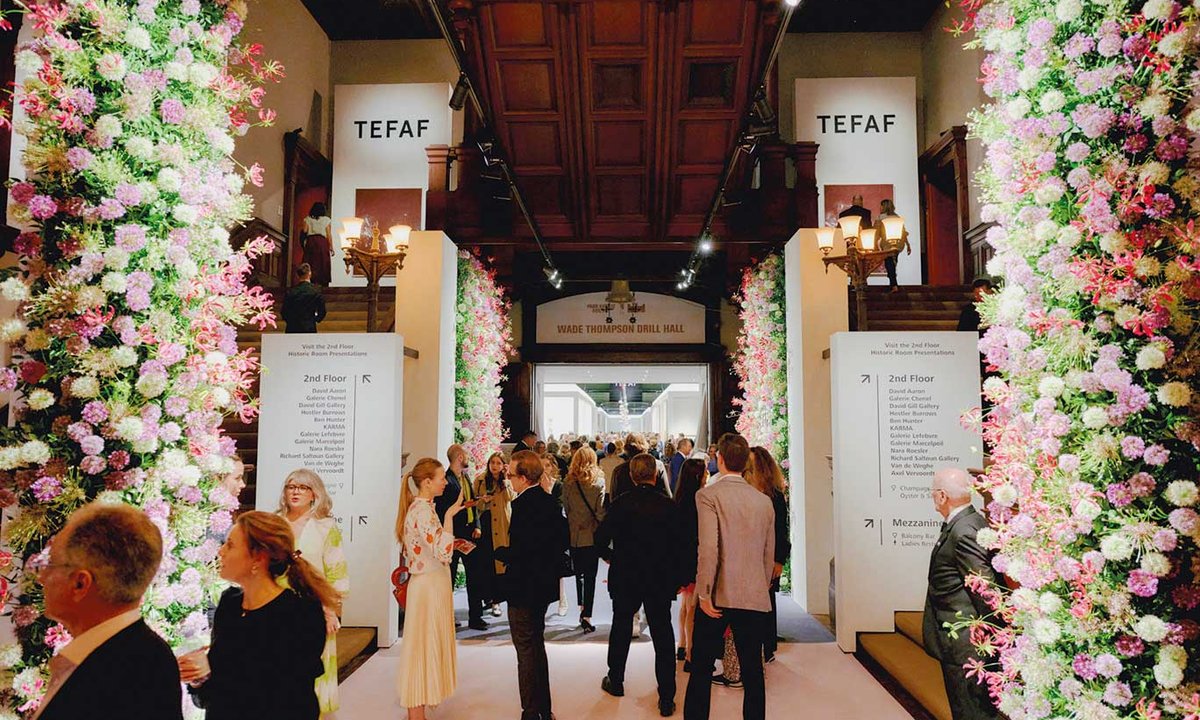
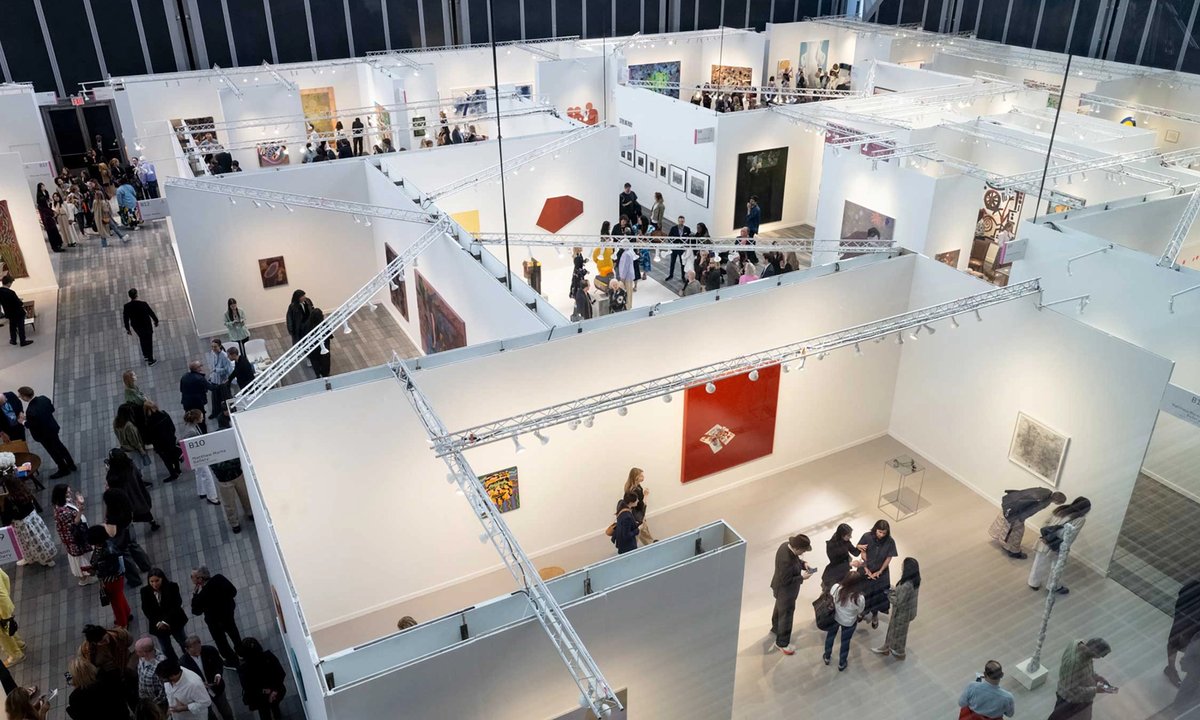
5 hours agoTefaf New York wishlist: a Tiffany window and an Egyptian goddess with a nose job
A Tiffany leaded window merges Art Nouveau and Hudson River School imagery to create an immersive luminous landscape experience through glass.
An Egyptian goddess bust was reattributed after scientific study and art-historical research uncovered provenance tracing it to a 1923 Paris sale.


fromArtnet News
22 hours agoThe British Museum Is Recreating the Bayeux Tapestry's Medieval Woodland
"The museum is a vast monochromatic monolith, and I wanted the installation to be colorful and uplifting, and to signify the welcoming of the tapestry to the museum," Sturgeon said in a statement. "The trees reach out towards the street entrance as if beckoning it to enter."
Arts
fromnews.artnet.com
23 hours agoArt Collectors Bet on Known Quantities Amid Market Reset | Artnet News
The Impressionist and Modern category overtook postwar and contemporary to become the most lucrative art-market segment in 2025, as collectors continued to favor well-known names amid a more cautious market. It generated $4.7 billion in sales, a 29.5 percent increase from 2024. Growth was particularly pronounced in the $10-million-plus bracket, which saw $1.5 million in sales up 68.6 percent from 2024. The number of lots sold in the category reached a decade high 122,213, and the average price per lot rose 22.4 percent year over year.
Arts
fromwww.theguardian.com
1 day agoArts and cultural engagement linked to slower pace of biological ageing'
The benefit the arts confer on the pace at which people age is so dramatic that it is comparable to the difference between smokers and those who have given up smoking, the researchers say. Participants in the research were also asked how often they took part in singing, dancing, paint, photography or crafting.
Arts
fromArchDaily
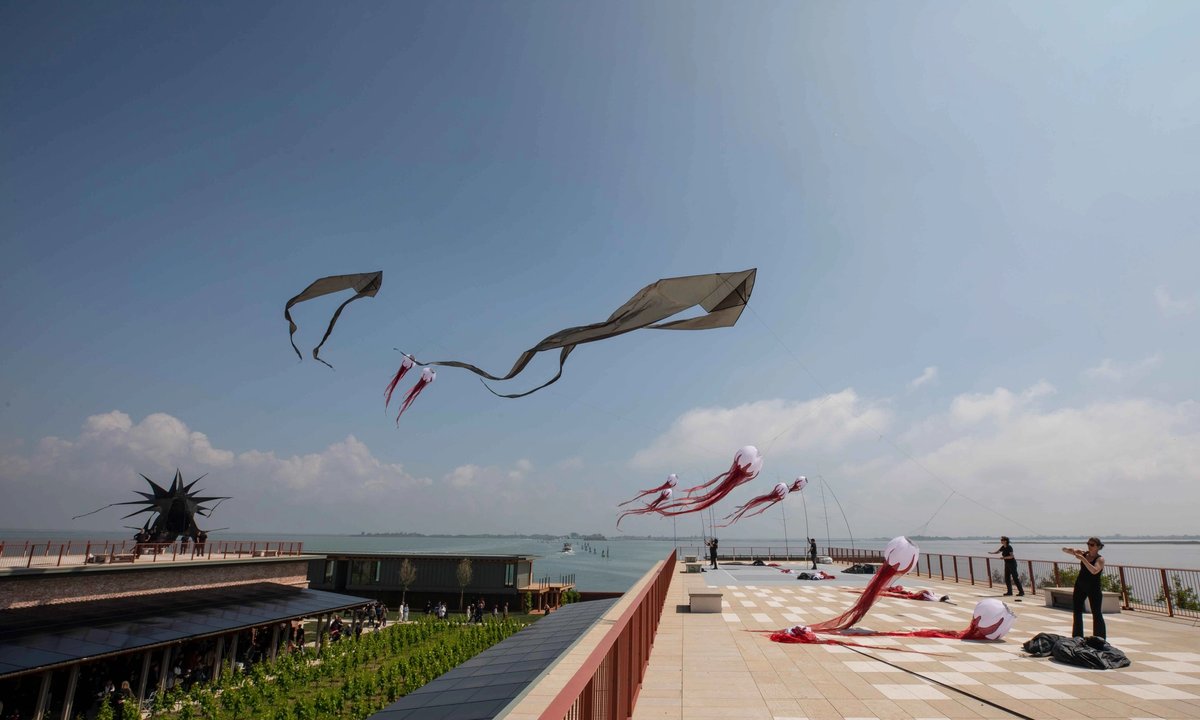
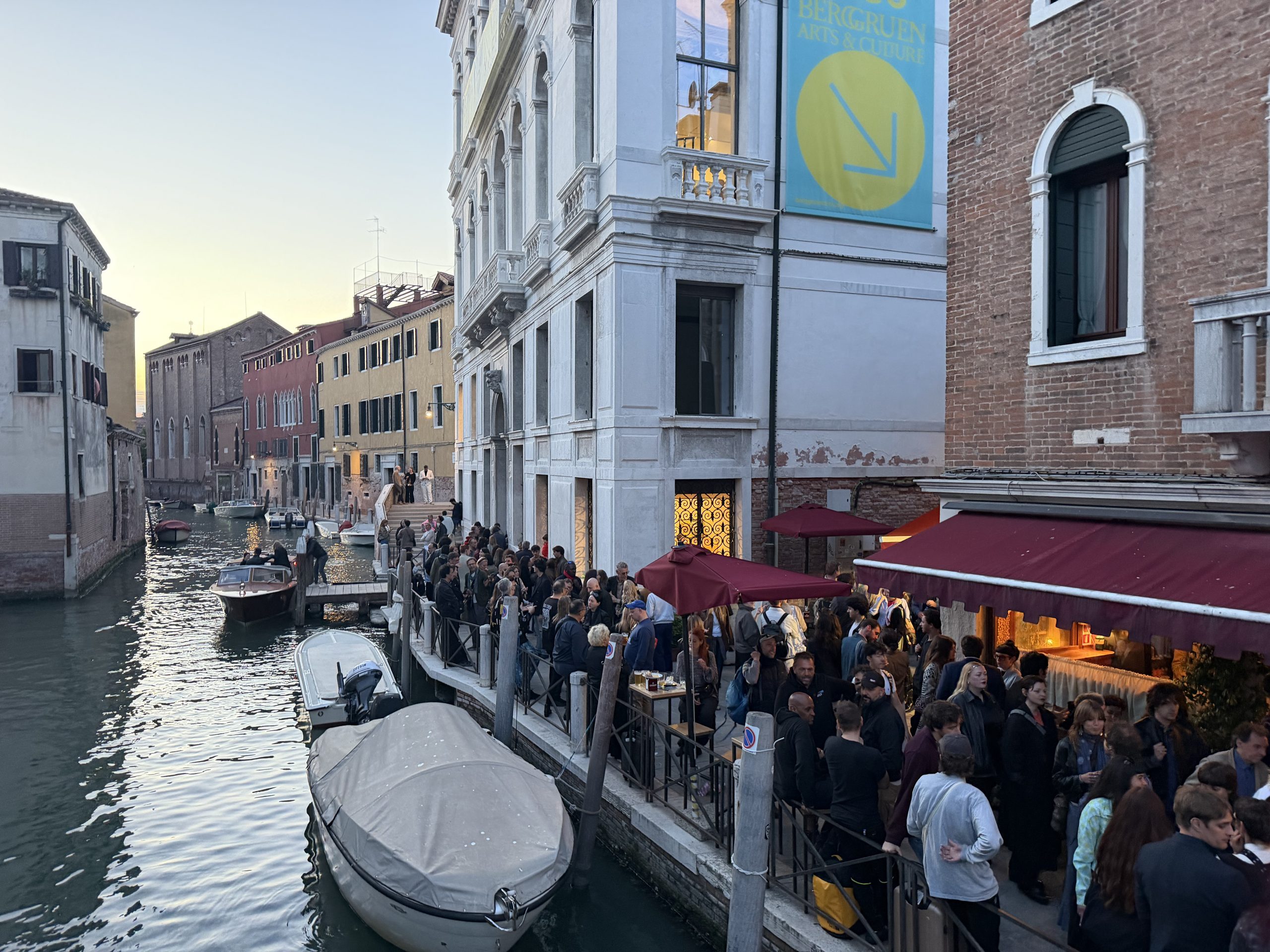
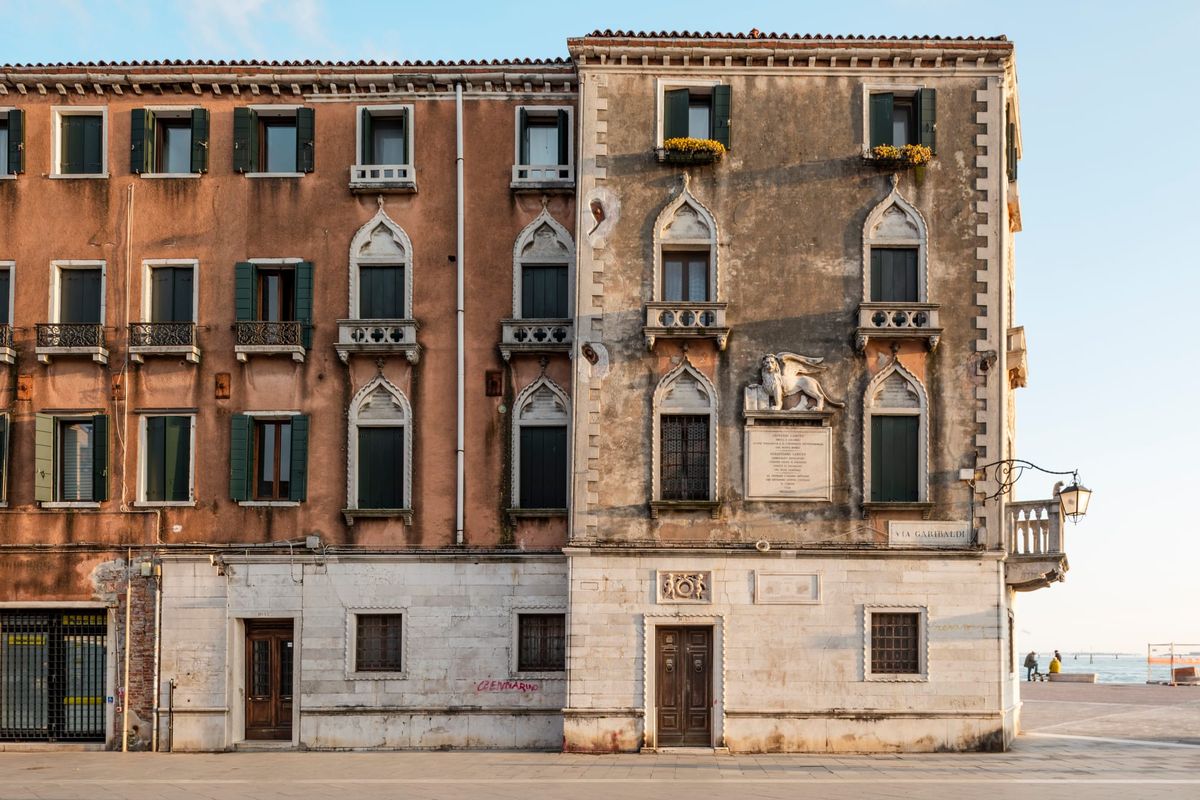
1 day ago8 National Pavilion Highlights from the 2026 Venice Art Biennale
In December 2024, art curator Koyo Kouoh became the first African woman selected to curate the 61st International Art Exhibition of La Biennale di Venezia. She proposed an introspective and sensitive approach to the exhibition, shaped by themes of grief, memory, spirituality, and global exhaustion. Following her premature passing in May 2025, the Biennale decided to continue with the same curatorial project, titled In Minor Keys.
Arts
fromThe Art Newspaper - International art news and events
23 hours ago'Common ground for me is everywhere I step': Mohammad Omer Khalil on his five-institution show
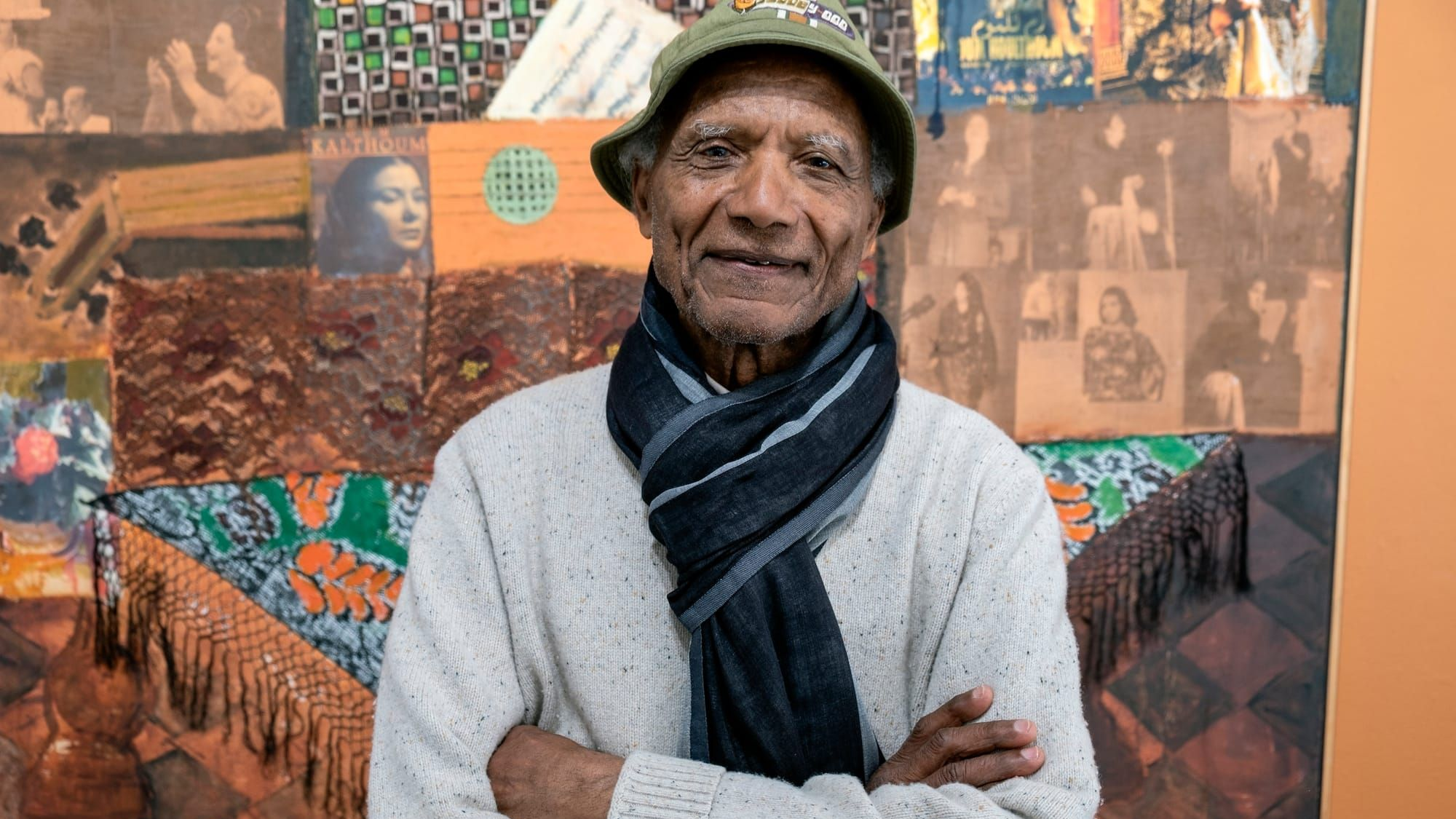
Mohammad Omer Khalil is lauded by artist communities around the world for his dedication to collaboration and pedagogy. But the 90-year-old Sudanese artist and master printmaker remains little known in the US, where he has lived and worked since 1967. Born in Khartoum, Khalil studied painting and subsequently taught at the city's School of Fine and Applied Arts, before learning fresco in Florence and moving to New York. There, he found community at the EFA Robert Blackburn Printmaking Workshop (EFA RBPMW), which inaugurated his foray into printmaking and shaped the trajectory of his career.
Arts
Arts
fromdesignboom | architecture & design magazine
1 day agomelting eyewear in glass and gold blurs sculpture, design, and optics in venice biennale
Melting sculptural eyeglasses use distorted optics and contrasting materials to question mediated vision, image saturation, and the limits of understanding.
fromOregon ArtsWatch * Arts & Culture News
1 day agoSpeaking up: 'Brown Face' gives voice to today's young Latinos * Oregon ArtsWatch
asks its audience to do something a lot of us are bad at: Listen. The Pacific Northwest premiere of Carissa Atallah's play at Milagro Theatre gives a platform to angry and anguished young Latinos who live in fear of the U.S. government's war on immigrants.
Arts
fromArtnet News
1 day agoFor Fashion Iconoclast Iris van Herpen, 'Nature Is the Best Artist'
Coral systems, skeletons, living alga, water, the coil of a snake, and the movement of a bird's wings are just some of the natural phenomena that have fed into van Herpen's visual language. Her couture pieces borrow the natural world's rhythms and structures, adapting them into gravity-defying garments.
Arts
fromArtnet News
1 day agoAll 3.5 Million Pages of the Epstein Files Are Now on View at This Pop-Up Exhibition | Artnet News
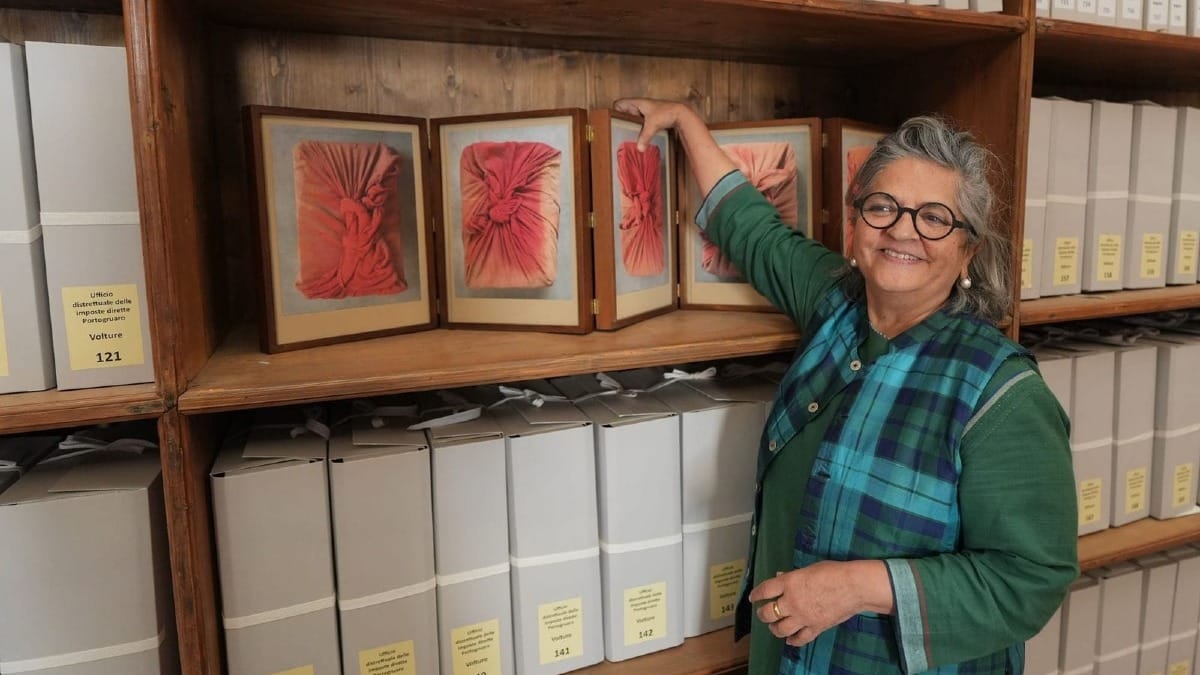
The Washington, D.C.-based Institute for Primary Facts has transformed New York's contemporary-focused Mriya Gallery into the Donald J. Trump and Jeffrey Epstein Reading Room, which holds 3,437 bound volumes spanning all of the released Epstein files. The reading room opened in Tribeca on May 8, and remains on view for guests aged 16 and over through May 21. Although limited walk-in slots are available, Primary Facts recommends scheduling an appointment through its platform, snidely titled Trumpsonian.
Arts
fromHyperallergic
1 day agoHundreds Lambast Trump's $7.5M Plan to Whitewash Eisenhower Building
“Are you out of your minds?” wrote Jessica Douglas in an email to the National Capital Planning Commission (NCPC) ahead of a meeting about the Trump administration's plan to whitewash the Eisenhower Executive Office Building's granite exterior. According to over 2,000 public responses submitted to the NCPC, hundreds of concerned citizens like Douglas have voiced their disapproval of the Eisenhower Executive Office Beautification Project before the commission reviewed the proposal on May 7, emphasizing that paint and granite are about as compatible as oil and water.
Arts
fromThe Art Newspaper - International art news and events
23 hours agoEnter the unsettled space of Asian American abstraction
Wary of being labelled, many Asian Americans once believed that the safest way to enter the art world was by making their identities invisible. But invisibility is fragile. After the Immigration and Nationality Act of 1965-which abolished the discriminatory national quotas that had defined US immigration policy since the 1920s-many Asian artists arrived in New York and entered an art world already defined by hierarchy. For decades thereafter, downplaying identity could feel like survival. But what we try to sidestep is never separate from us.
Arts
fromHyperallergic
1 day agoArchaeologists Discover Mummy Buried With Lines From Homer's Iliad
Archaeologists excavating at the Ancient Egyptian city of Oxyrhynchus, near modern El-Bahnasa, announced the discovery of a papyrus containing lines from Homer's Iliad on the abdomen of a Roman-era mummy. The papyrus dates to the late Roman period, around the fifth century CE, about 1600 years ago. Over 1,500 papyri quoting Homer's works survive today, but only an extremely small number were placed in burials. Why would a Romano-Egyptian want to take Homer with them to the afterlife?
Arts
fromThe Art Newspaper - International art news and events
23 hours ago'I am very decisive': designer Jennifer Gilbert on what she collects and why
Once open, Lumana will support new generations of artists, designers and the institutions that champion them," Gilbert says. "It felt fitting that the work of the great Modernist artists I deeply admire could continue to uplift those following in their footsteps." Ahead of this week's fairs and auctions, we asked Gilbert about her latest acquisitions and her approach to collecting.
Arts
fromColossal
1 day agoBespoke Glass Studio's Sculptures Challenge Traditional Conventions of Stained Glass
“One of my personal obsessions is trying to convince people to hang glass on the wall instead of in the window, so you can really experience the pure color and texture of the glass,” she tells Colossal.
Arts
fromThe Art Newspaper - International art news and events
23 hours agoNew York art world spared worst of logistics woes
“The Iran war isn't stopping art shipments into New York-but it's removing flexibility from the global system. Logistics is becoming more fragile, and that's changing how the market plans,” says Robin Eckstein, the regional manager for the Middle East at the logistics firm Hasenkamp. “What used to be flexible is now fragile.”
Arts
fromArtnet News
1 day agoA New Landmark Survey Aims to Bring Transparency to Museum Collecting Practices
“We know a great deal about what museums display, but far less about how they acquire, borrow, deaccession, and return objects,” PennCHC's executive director and the project's co-principal investigator Richard M. Leventhal said in press materials about the survey, which he added “will help us understand this for the first time on a national scale.”
Arts
Arts
fromThe Art Newspaper - International art news and events
1 day agoA Joan Mitchell diptych and a rare stack by Donald Judd: our pick of the May auctions
Joan Mitchell’s Plain (1989) and Donald Judd’s Untitled (Stack) (1969) are offered with high estimates, reflecting major museum-level demand and rarity.

fromArtnet News
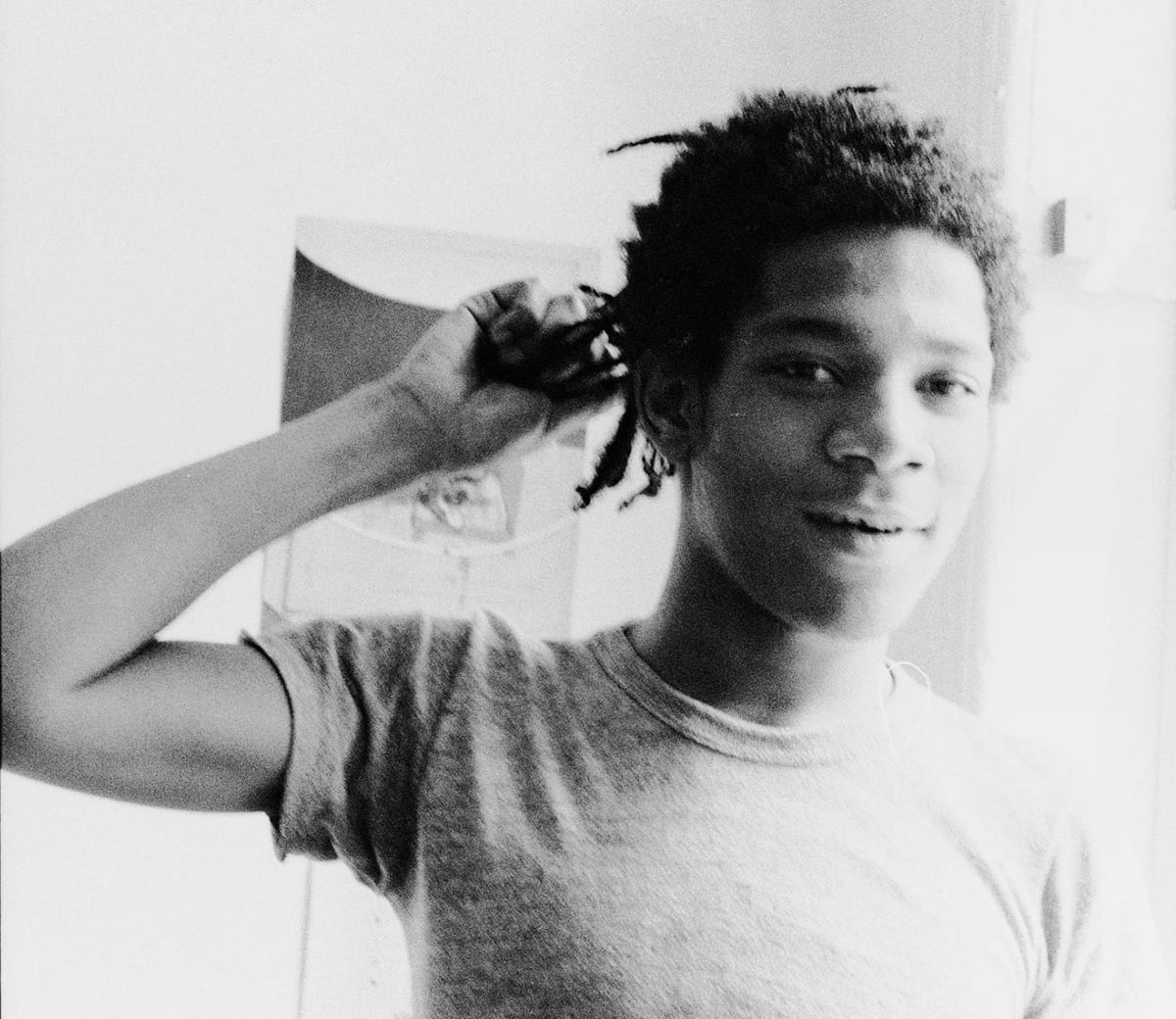
1 day agoThe Site Where the Beatles Played Their Final Gig Is Becoming a Museum
No. 3 Savile Row was the headquarters of the band's label, Apple Corps, housed the studio where the band recorded Let It Be (1970), and was the stage for what turned out to be the band's final concert, which the four-piece delivered on the building's roof in January 1969.
Arts
fromThe Art Newspaper - International art news and events
1 day agoBritish MPs face Hobson's Choice for restoration of the crumbling, unsafe Palace of Westminster
The first, dubbed Full Decant, would see the site fully emptied, with the Lords and the Commons moving to new premises for most of the works. The second, Enhanced Maintenance and Improvement Plus (EMI+), would see only the House of Lords move out for part of the project and construction otherwise undertaken around MPs' daily work. According to these proposals, the latter have until 2030 to choose which option to go for. During that time, companies will bid for construction contracts, the palace will seek planning consent, and a phase of early, preparatory works will begin.
Arts
fromThe Art Newspaper - International art news and events
22 hours agoA sonic tribute to the act of speech on New York City's Roosevelt Island
Rosenström envisioned his project as an homage to the act of speech rather than to patriotic rhetoric. His multi-speaker, site-specific sound installation was "partly inspired by the Four Freedoms speech, and partly inspired by my relationship to how I think about human voices as means or a medium to travel between people", the Finnish artist explains.
Arts
Arts
fromTime Out New York
1 day agoThree enormous totems have been erected in Brooklyn Bridge Park by the water. Here's what they mean.
Guardian Spirit presents monumental sculptures and totems that transform everyday objects and African ritual forms into symbols of compassion, listening, and healing.
Arts
fromThe Art Newspaper - International art news and events
2 days agoMuseum of Contemporary Art Detroit reopens, with the local community front and centre
Mocad reopened with renovations that add learning, climate control, and neighborhood visibility while emphasizing civic, participatory, dialogue-based art experiences.
fromwww.theguardian.com
2 days agoMaracas in hand, my toddler wanders freely through a gallery of priceless ceramics
Now he's a toddler who can change direction like a squirrel and is rather taken with the word no. And I'm beginning to wonder: should we be sticking to exhibitions and events targeted at children? I'm not a joiner, and the thought of stay-and-plays and singalongs is enough to send me running. And yet, here I am, parking the buggy, unbuckling my son and walking with him, with some trepidation, towards a family-friendly drop-in at the Fitzwilliam Museum in Cambridge.
Arts
fromColossal
2 days agoHabib Hajallie's Meticulous Ballpoint Pen Drawings Examine the Depths of Emotion
In his current solo exhibition, Black & Blue at Larkin Durey, Hajallie grapples with the devastating stillbirth of his daughter and the "indescribable emotions that sit beneath language," says the gallery. For this show, the artist deliberately switched from using black ballpoint ink to blue. As he made these works, Hajallie also reflected on the loss of his sister four years ago.
Arts
Arts
fromdesignboom | architecture & design magazine
2 days agokoyo kouoh foundation launches to carry forward the late curator's legacy
A new foundation in Kouoh’s memory preserves and expands her institution-building legacy across Africa and beyond, supporting critical cultural infrastructure for future practitioners.
fromThe Art Newspaper - International art news and events
2 days agoMelding Chinese lacquer with European abstraction
In 2003, Su Xiaobai was advised by Gerhard Richter to abandon oils and concentrate on his explorations of lacquer, according to Stephen Little, curator of Asian art at the Los Angeles County Museum of Art (Lacma). Su took that advice, and now only works in lacquer, sometimes using immense quantities of the tree sap to produce contemplative works that form a bridge between Chinese artistic traditions and European abstraction.
Arts
fromHyperallergic
1 day agoSatirical Video Game Lampoons Trump's Iran War Blunder
Three fully functional arcade cabinets appeared at the DC War Memorial this morning in the latest installment of anti-Trump protest art in the nation's capital. Visitors are invited to play "Operation Epic Furious: Strait to Hell," also accessible online, which lambasts President Trump's erratic and flippant public messaging as the United States and Israel's prolonged war on Iran continues with no end in sight.
Arts
Arts
fromThe Art Newspaper - International art news and events
1 day agoWith new Costume Institute exhibition and galleries, the Met makes powerful statement about fashion's place in museums
Dress across cultures and millennia powerfully shapes identity and perception, and a museum exhibition uses body typologies to frame that continuity.
[ Load more ]