#contemporary-art
#contemporary-art
[ follow ]
#venice-biennale #art-exhibition #art-exhibitions #exhibition #performance-art #art-history #art-fair

Arts
fromThe Art Newspaper - International art news and events
7 hours agoBringing back the salon: UK organisation aims to revive Brighton's contemporary art scene
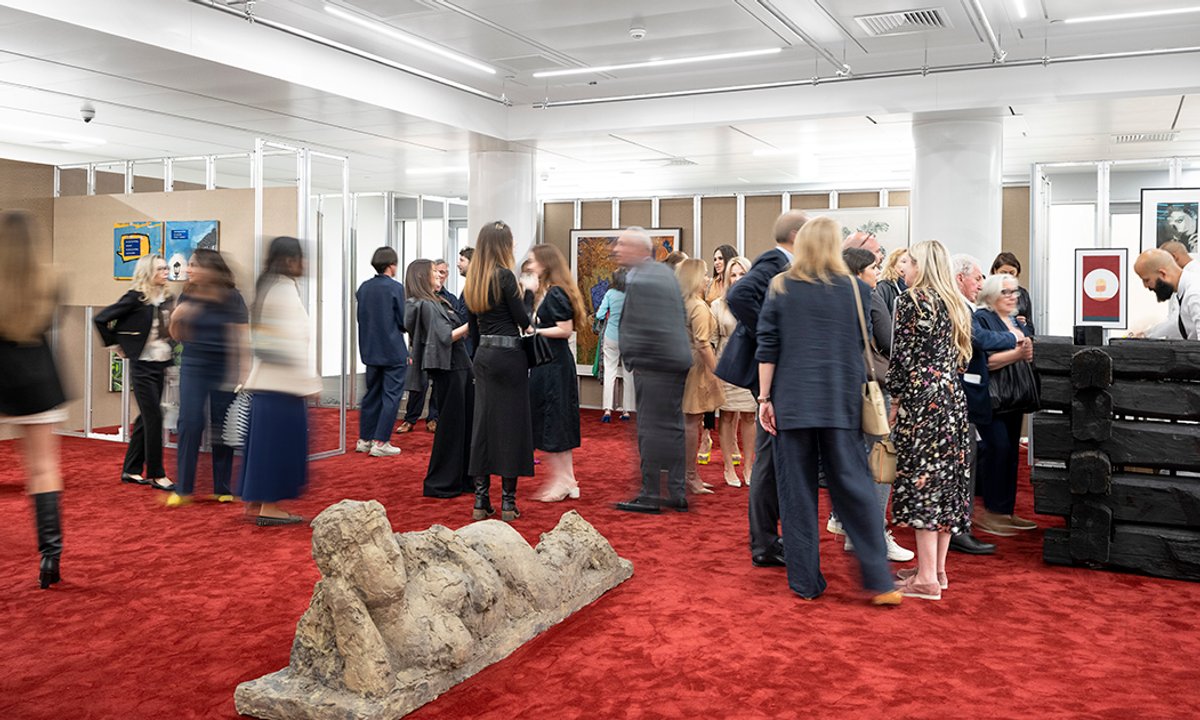
A new Adelaide Salon event brings live contemporary art and performance to Brighton’s Royal Pavilion, aiming to rebuild the city’s cultural ecosystem after major art losses.

Berlin music
fromdesignboom | architecture & design magazine
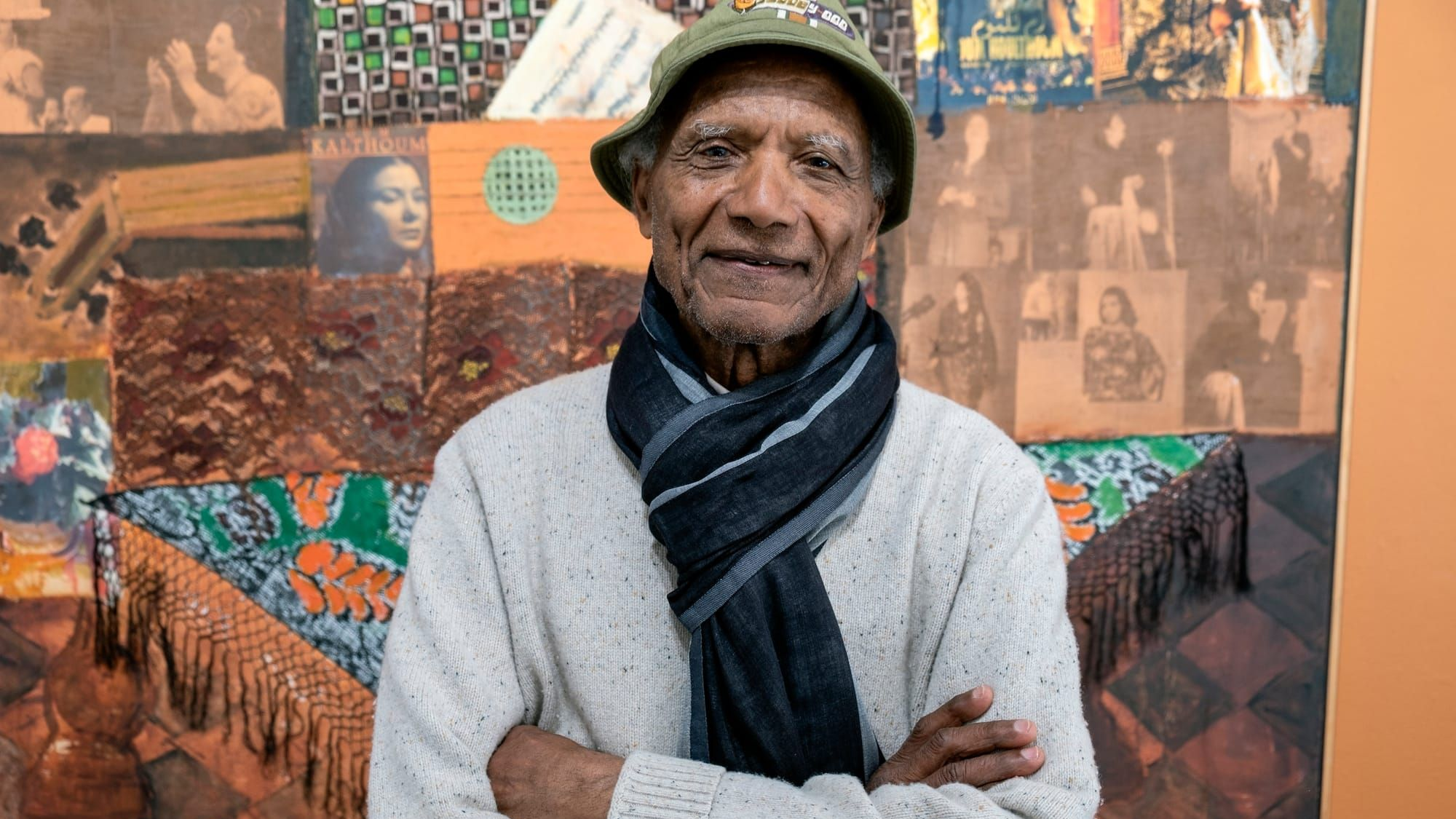
21 hours agoyuko mohri tunes into the unseen energies connecting people and objects
Entanglements creates a living network of sound and motion shaped by humidity, dust, air, and chance through kinetic sculptures, self-playing instruments, and circuits.
fromThe Art Newspaper - International art news and events
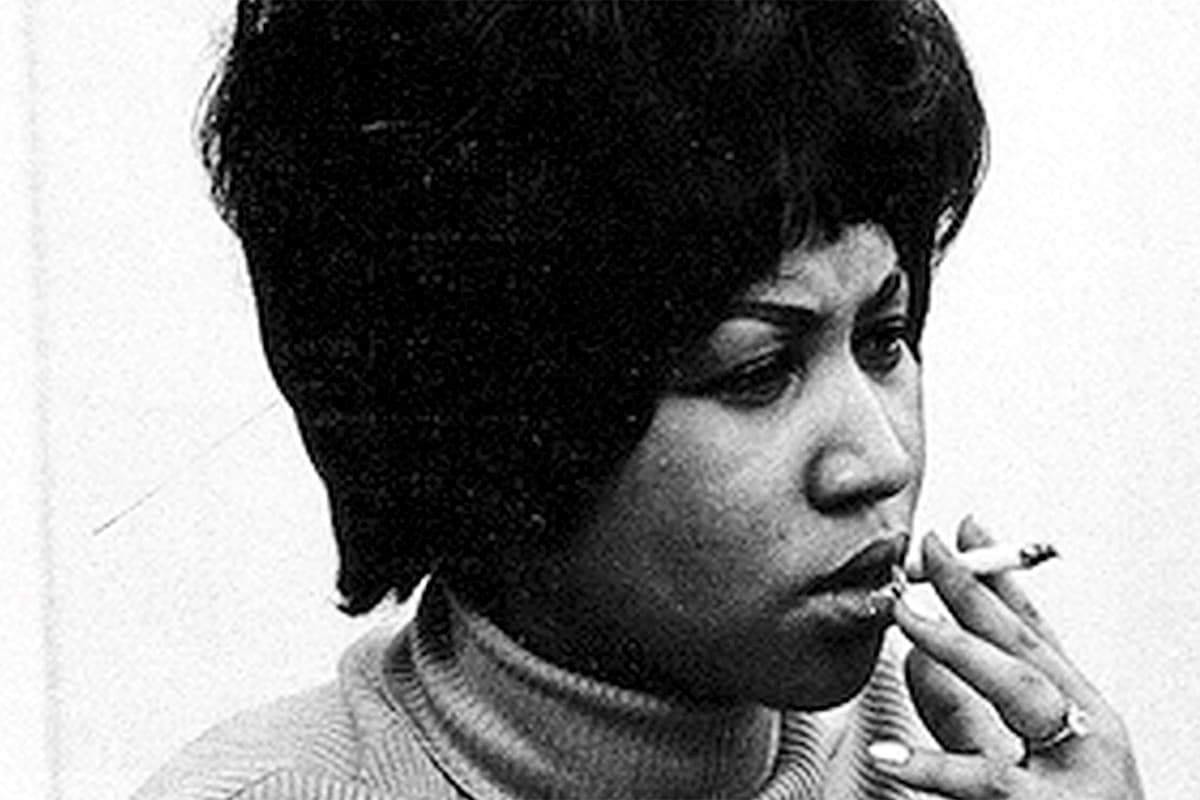
23 hours ago'I am very decisive': designer Jennifer Gilbert on what she collects and why
Once open, Lumana will support new generations of artists, designers and the institutions that champion them," Gilbert says. "It felt fitting that the work of the great Modernist artists I deeply admire could continue to uplift those following in their footsteps." Ahead of this week's fairs and auctions, we asked Gilbert about her latest acquisitions and her approach to collecting.
Arts


Russo-Ukrainian War
fromThe Art Newspaper - International art news and events
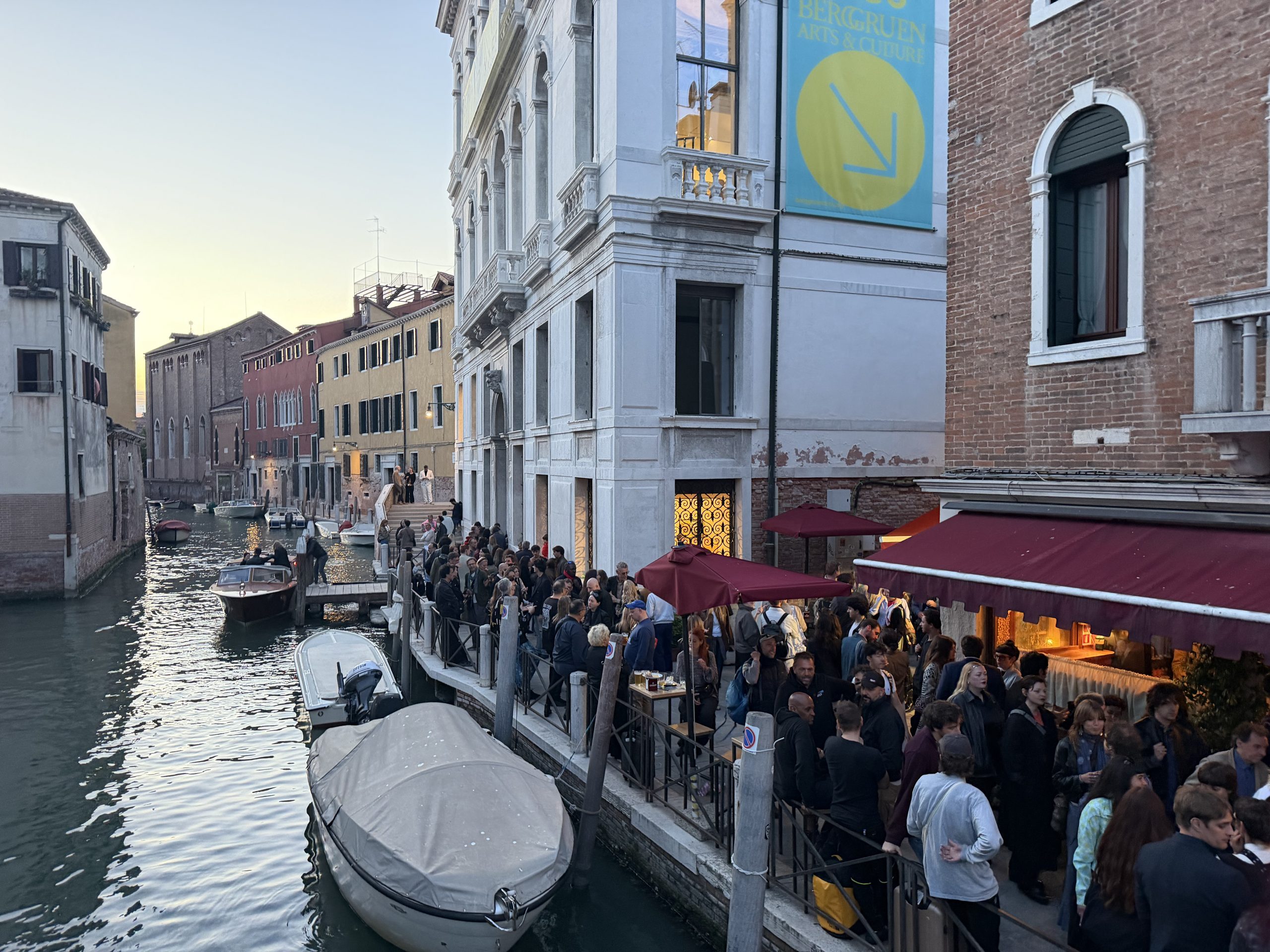
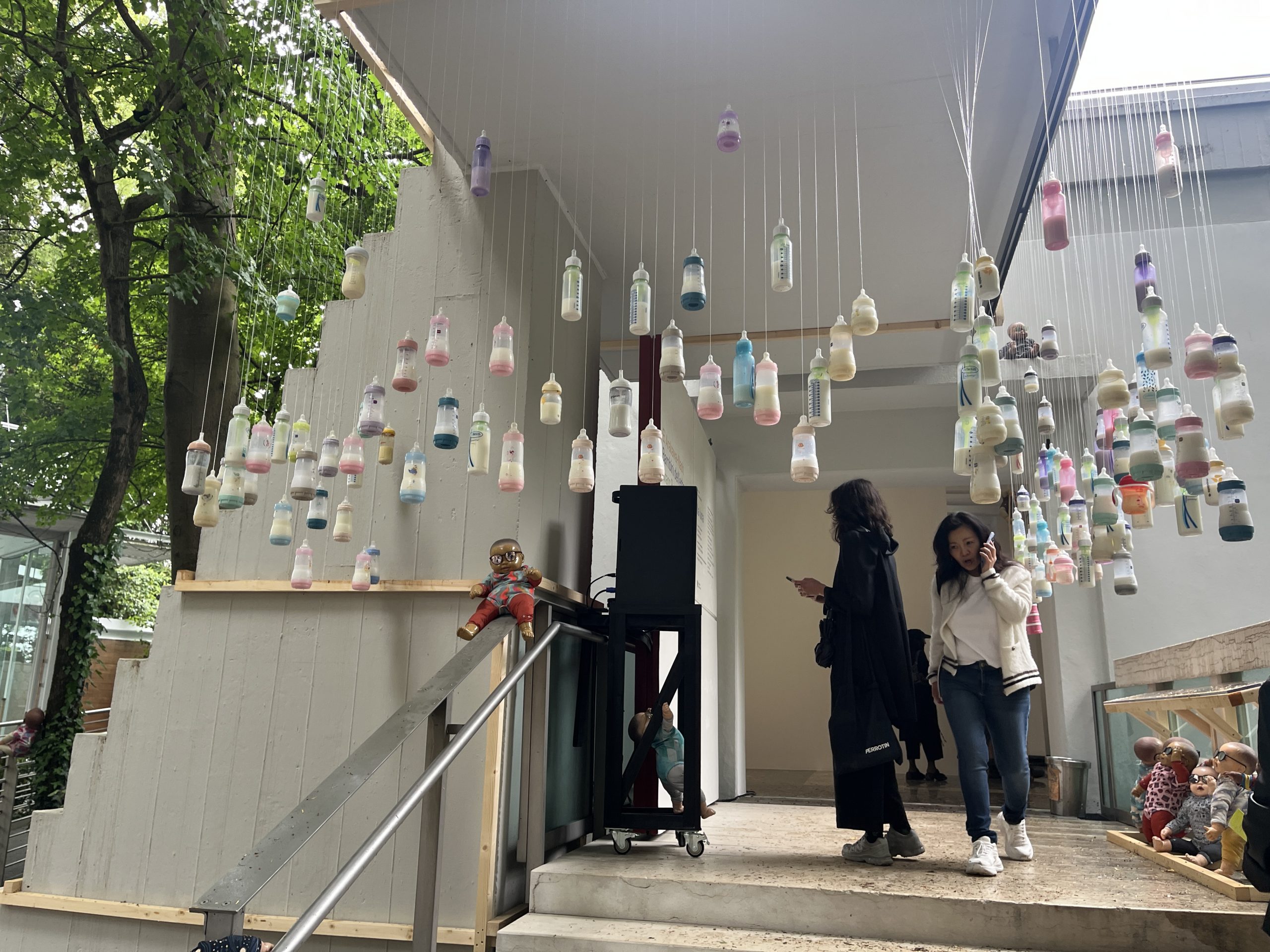
5 days agoAt the Venice Biennale, Ukraine's Pinchuk Art Centre finds fragile moments of joy amid loss
The exhibition uses international and Ukrainian art, veterans’ testimonies, and a joy-centered theme to respond critically to Ukraine’s wartime reality.
Arts
fromThe Art Newspaper - International art news and events
6 days agoSound-based Holy See pavilion opens at Venice Biennale as Vatican's contemporary art ambitions grow
A Vatican exhibition in Venice presents commissioned sonic works as contemplative listening, honoring Saint Hildegard of Bingen through collaborations with major contemporary artists.
fromHyperallergic
5 days agoArt Movements: New Museum Names Its First Artist Studio Residents
Yun Choi, Alison Kuo, and Korakrit Arunanondchai will take up residence in the New Museum's Artist Studio, a dedicated space carved out by the polarizing OMA-designed expansion of the building. In an announcement today, May 7, the Lower East Side museum said the artists will participate in a series of residences at the 730-square-foot studio beginning this spring and continuing through winter 2027. They'll create new work and develop onsite exhibitions and public programs in a model reminiscent of MASS MoCA or Pioneer Works's in-house residencies.
Arts
Miscellaneous
fromArtforum
6 days agoVenice Biennale 2026: Kosovo's Brilant Milazimi on his monumental tableau
Brilant Milazimi's grotesque figures express psychological torment and displacement, with an eight-panel installation for Kosovo's 2026 Venice pavilion exploring themes of waiting and human vulnerability across shared experiences.

Arts
fromThe Art Newspaper - International art news and events
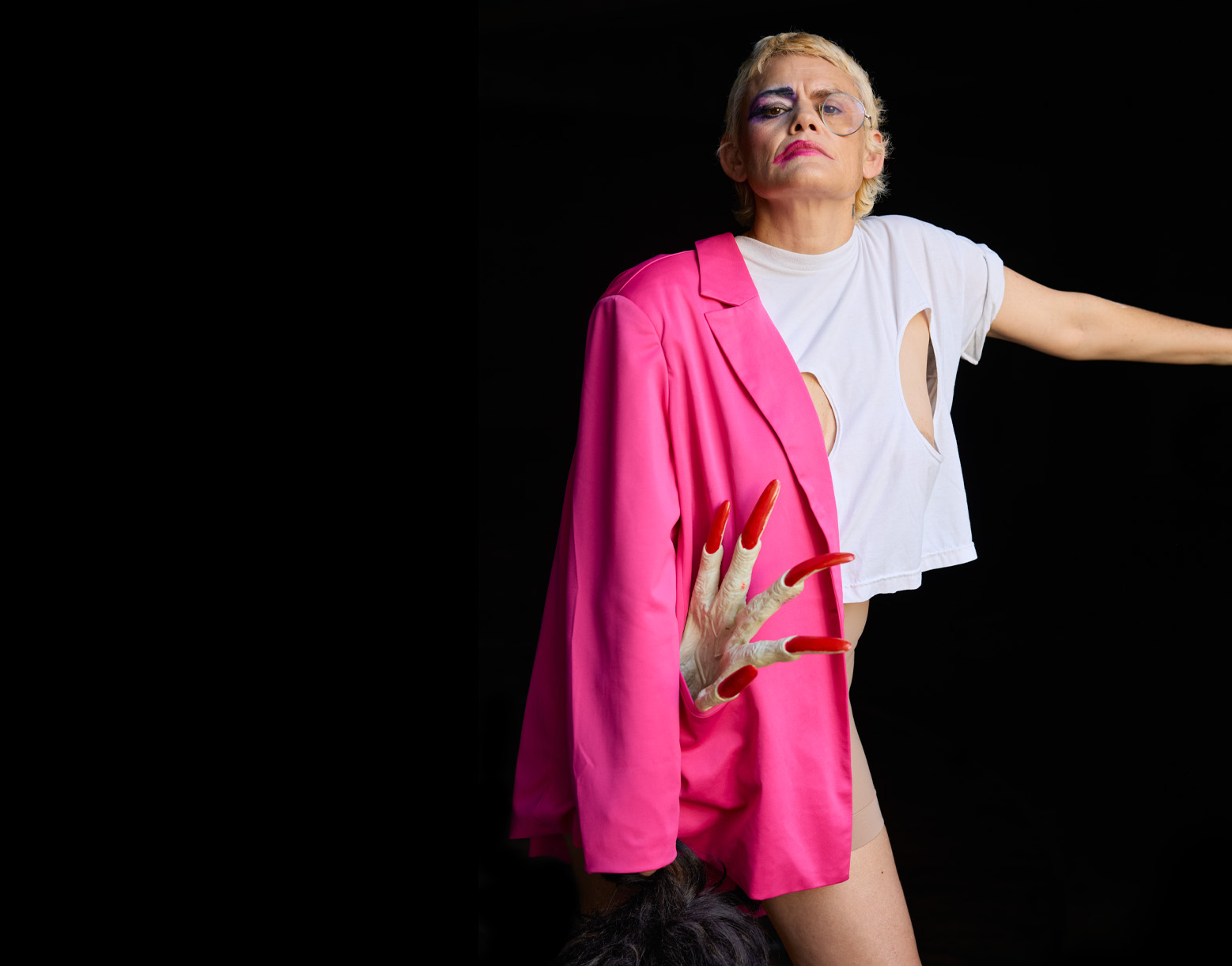
6 days agoLotus Kang channels desire into Bvlgari's Venice Biennale pavilion
Artist Lotus Kang creates installations combining industrial and organic materials, with her work featured at the Bvlgari pavilion in Venice as part of the fashion house's three-year sponsorship of the Venice Art Biennale.
fromItsnicethat
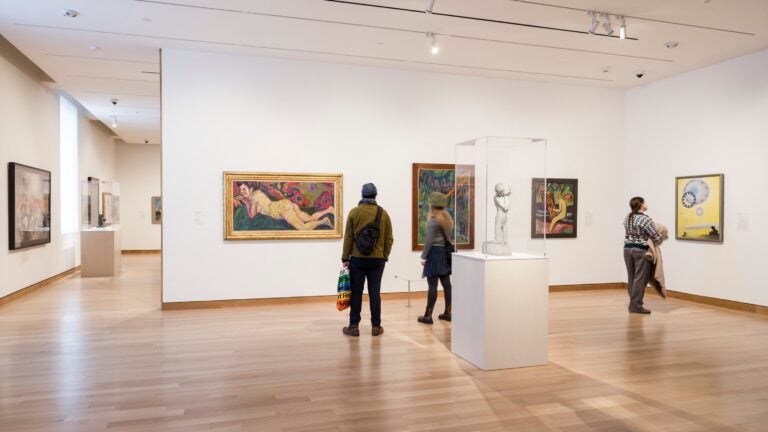
1 week agoSamar Maakaroun's visual identity for The Mosaic Rooms challenges reductive narratives around Arab identities
"The identity does not fix a single image of 'place', but holds a condition. Drawing on the idea of the 'unhomed', it recognises that for many SWANA communities, belonging is not singular but constantly negotiated."
SOMA, SF
Arts
fromThe Art Newspaper - International art news and events
1 week agoMay Book Bag: from a guide on entering the art world to a publication about artists influenced by Ovid's Metamorphoses
Ovid's Metamorphoses significantly influences Western art, while Hettie Judah's guide offers practical advice for navigating the art world.
fromArtnet News
1 week agoTimeless Meets Timely at TEFAF New York 2026
"The heart of TEFAF New York lies with its exhibitors. In 2026, we're proud to present a compelling lineup of dealers, both longstanding participants and an exciting group of newcomers, who represent the best across disciplines."
Arts
fromArtnet News
1 week agoHow Latin American Artists Have Harnessed The Allure of Alchemy
"The blending of pre-Columbian cultural and religious traditions with four centuries of Spanish colonial influence formed the basis of what we come to understand as alchemy in this region, one rooted in deep spirituality of transformation that has endured over time."
Arts
Arts
fromThe Art Newspaper - International art news and events
1 week agoPaul McCarthy: 'The world is now an extreme absurdity. The work is a reaction to that'
Paul McCarthy critiques commercial culture through provocative art, recently revisiting Santa Claus in his exhibition SS EE Saint Santa Eva Elf.

fromHyperallergic
1 week agoArt Movements: Curators Named for El Museo's Latine Art Survey
El Museo del Barrio has announced the curatorial team for the 2027 edition of La Trienal, which will feature works by artists of Latin American and Caribbean descent living in the United States, Puerto Rico, and around the world.
Arts
Berlin music
fromKALTBLUT Magazine
2 weeks agoUnveiling the Digital Mythos: Toyoya Li's "Pixel Temple" at Migrant Bird Space - KALTBLUT Magazine
Toyoya Li's 'Pixel Temple' installation merges digital nostalgia with contemporary visual mythology, inviting engagement with obsolete technologies and exploring digital existence dualities.
Arts
fromThe Art Newspaper - International art news and events
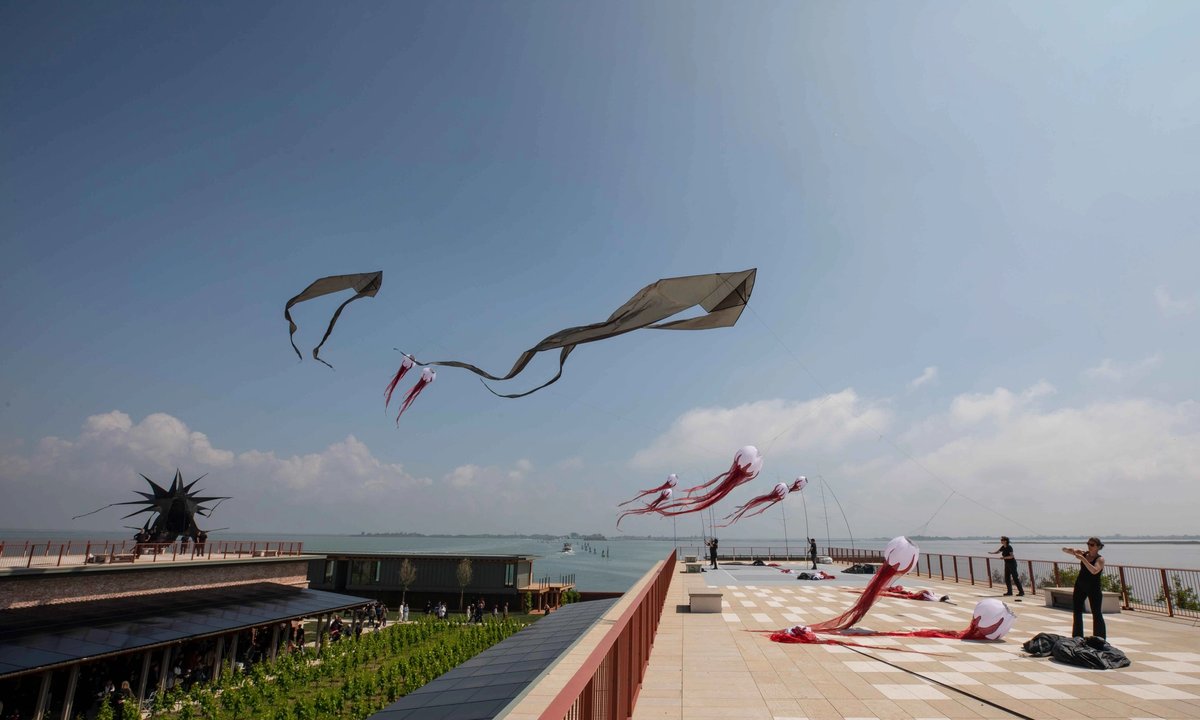
2 weeks agoFrom monumental glass sculptures to a lagoon in the sky: what to see beyond the Venice Biennale pavilions
The redevelopment of San Giacomo transforms it into a cultural hub in Venice, featuring contemporary art and addressing climate change.
fromwww.theguardian.com
2 weeks agoStreet culture is about revolution': Brazilian hip-hop' painter Paulo Nimer Pjota
Paulo Nimer Pjota describes his artistic process as akin to a hip-hop producer, sampling imagery and motifs from diverse sources, including ancient civilizations and Brazilian folklore.
Arts

:max_bytes(150000):strip_icc()/TAL-giants-san-diego-opening-event-MCASDGIANTS0426-8a23887bc6eb4005946a2f012c3e7d9c.jpg)
fromArchitectural Digest
2 weeks agoThe Fondazione Dries Van Noten Opens a Bold New Chapter in Venice
After we bought the palazzo, we lay on the floor in the music room to look at the details in the ceilings-and to understand what we just bought. That spirit of curiosity has guided curatorial decisions, as they placed artworks in conversation with ornate interiors.
Arts
fromArchDaily
2 weeks agoThe Bass Museum of Art Commissions Johnston Marklee for Campus Expansion in Collins Park, Miami Beach
Johnston Marklee's approach emphasizes formal clarity and contextual responsiveness, drawing from their extensive portfolio of cultural and academic projects, including the Menil Drawing Institute and the renovation of the Museum of Contemporary Art Chicago.
Arts
[ Load more ]