#yoga-gear
#yoga-gear
[ follow ]
#yoga #mindfulness #wellness #yoga-practice #relaxation #stress-relief #mobility #meditation #yin-yoga #mental-health
Arts
fromMetro Silicon Valley | Silicon Valley's Leading Weekly
2 months agoYoga Play in Los Altos | Metro Silicon Valley | Silicon Valley's Leading Weekly
Yoga Play satirically examines commercialization and appropriation of health, wellness, and Asian-American culture through a yoga apparel company's CEO and employees.
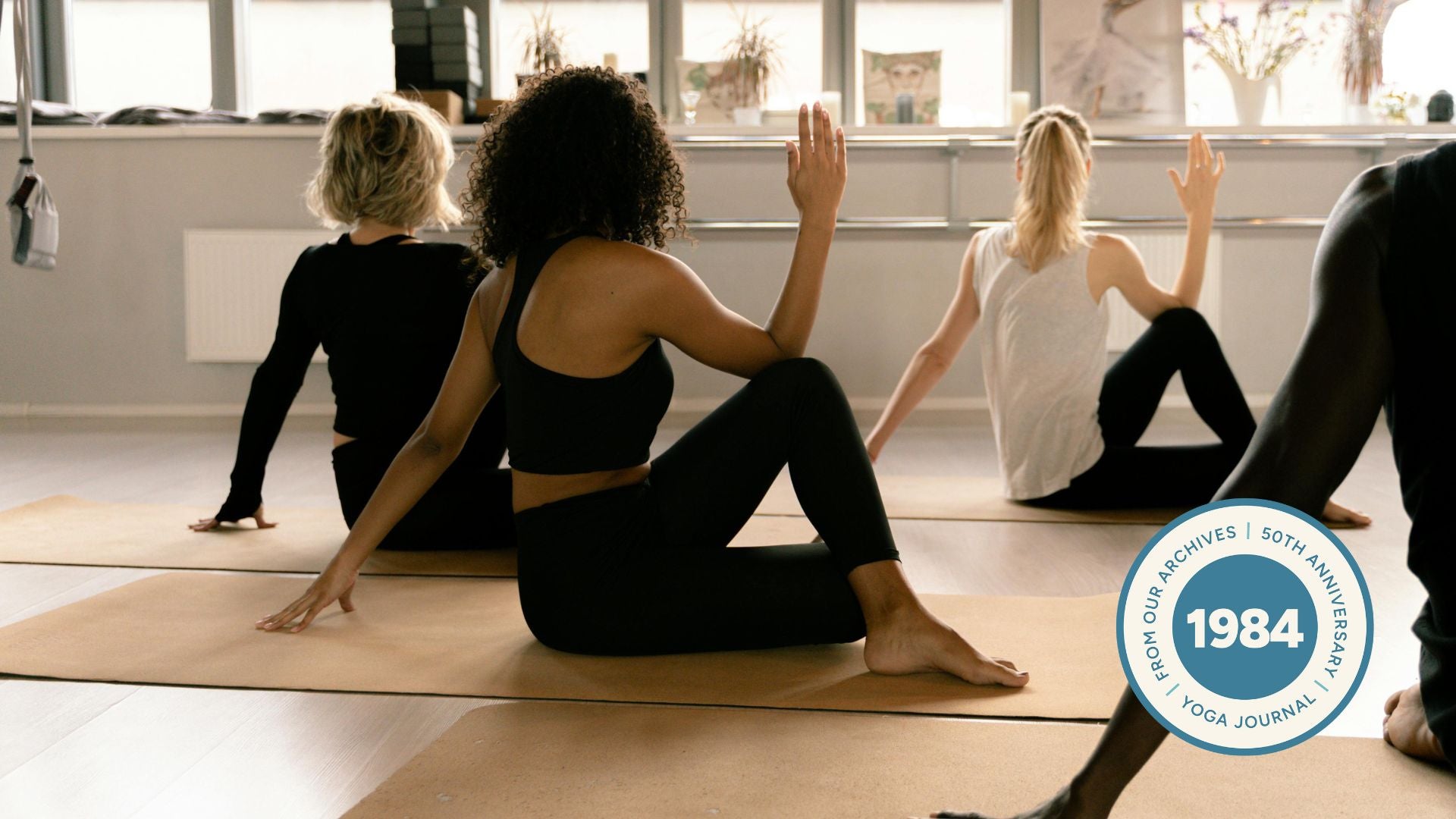
fromYoga Journal
1 month ago6 Unexpected Ways to Use a Wall in Yoga to Stretch and Strengthen
Instead of guessing where your body is in space, you receive immediate physical feedback when you rest or press part of your body against the support. Practicing poses against a wall can reduce the intensity of a pose. But it can also increase the challenge. A wall isn't just a 'make the pose easier' prop.
Yoga
fromYoga Journal
1 month ago12 Things Most Yoga Students Need to Feel Comfortable in Class
If the goal to to offer a truly transformative practice-and a class students want to return to again and again-a welcoming environment for all should be the goal. But what, exactly, does that include? In short, the vulnerability that comes with yoga requires a container that supports it. Paying attention to the accessibility, vibe, and clarity in and around any class is a strong place to start.
Yoga
fromYogi Aaron
2 months agoYoga to Stay Young & Flexible - Your #1 Anti-Aging Practice
Aging isn't just about wrinkles-it's about how your body moves. Or doesn't move. As we age, we often lose strength, balance, and range of motion. Our spines compress. Our glutes weaken. All of this manifests as pain, stiffness, and fatigue. But as Yogi Aaron reminds us, the true signs of aging come from a loss of mobility. The good news? You can get it back through regularpractice of our yoga routine to stay young, which includes breath, muscle activation, and mindful movement.
Yoga
fromYoga Journal
1 month ago5 Yoga Poses to Help You Process Anger
Physiologically speaking, feeling hot-headed is your body's regulatory answer to anger. Contemporary science has shown that your heart rate increases, your blood pressure rises, and your core body temperature climbs as the emotion activates the sympathetic nervous system, which is the body's fight-or-flight response.
Yoga
fromYoga Journal
2 months agoHeadstand Calls for Balance and Poise. Here's How to Approach It Safely.
Headstand (Sirsasana) is often called the "king of poses" because of the many benefits it affords. It teaches balance and poise, increases the strength of the arms, positively affects the cardiovascular system, and allows, more than many poses, a few minutes for mental and physical stillness. It's a difficult pose, involving many precautions and prerequisites. Many Westerners feel that if they can practice Headstand, they are practicing "real" yoga.
Yoga
fromYoga Journal
1 month ago7 Yoga Poses to Help You Chill Out and Stop Your Midday Spiral
Whenever this spiral occurs, I've found that certain yoga poses for anxiety—or at least, poses that ease my anxiety—help stop the madness. And they do so in very little time. Dropping into my favorite shapes quickly slows my mental chatter, slowing my sense of urgency to far more reasonable and manageable levels.
Yoga
fromhttps://www.arogyayogaschool.com/blog
1 month agoThe Overstimulated Mind: What Yoga Philosophy Teaches About Inner Balance
At the heart of yoga philosophy is the belief that stillness is not simply the absence of movement, but a profound engagement with our inner landscape. Practices such as asana (postures), pranayama (breath control), and meditation serve as gateways to this stillness, allowing us to cultivate awareness amidst chaos. Through these disciplines, we learn to quiet the mind's incessant chatter and tune into our true essence.
Yoga
[ Load more ]