#urban-living
#urban-living
[ follow ]


fromApartment Therapy
3 weeks agoThis 220-Square-Foot NYC Studio Has No Bed Frame - and It Totally Works
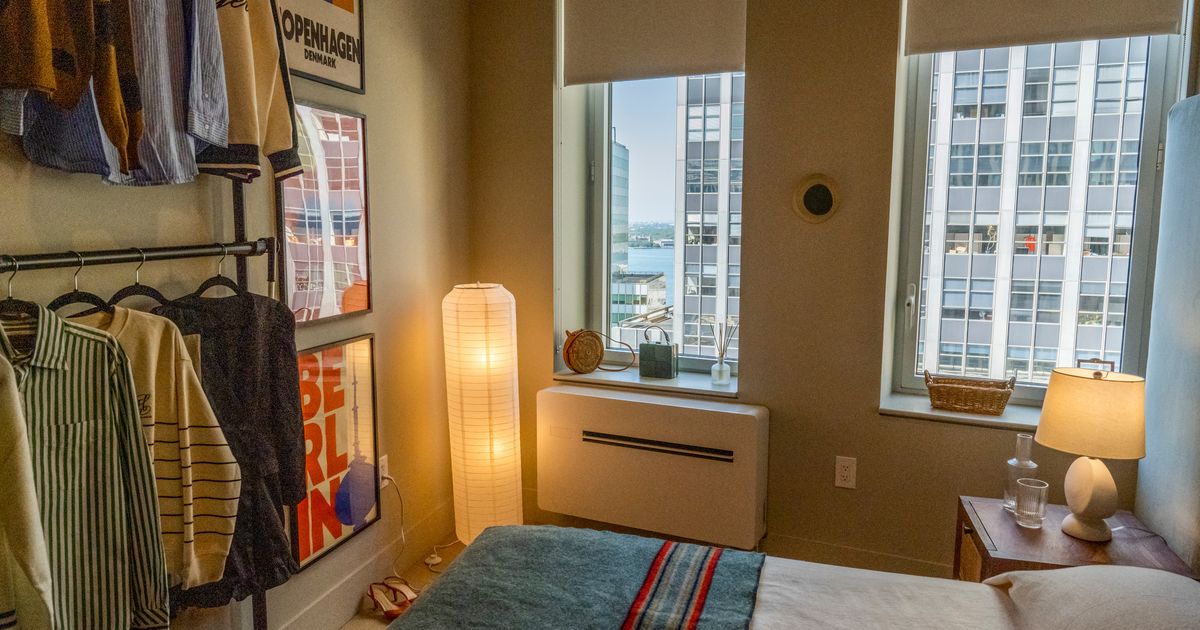
People think I am crazy for sleeping on a Japanese Tatami mat at night. Every comment I get is filled with people telling me to get a 'real American bed.' But I know myself. If there was a bed in my sight, I'd want to get in it! This helps the apartment function properly in the daytime.
NYC real estate
#real-estate

NYC real estate
fromCurbed
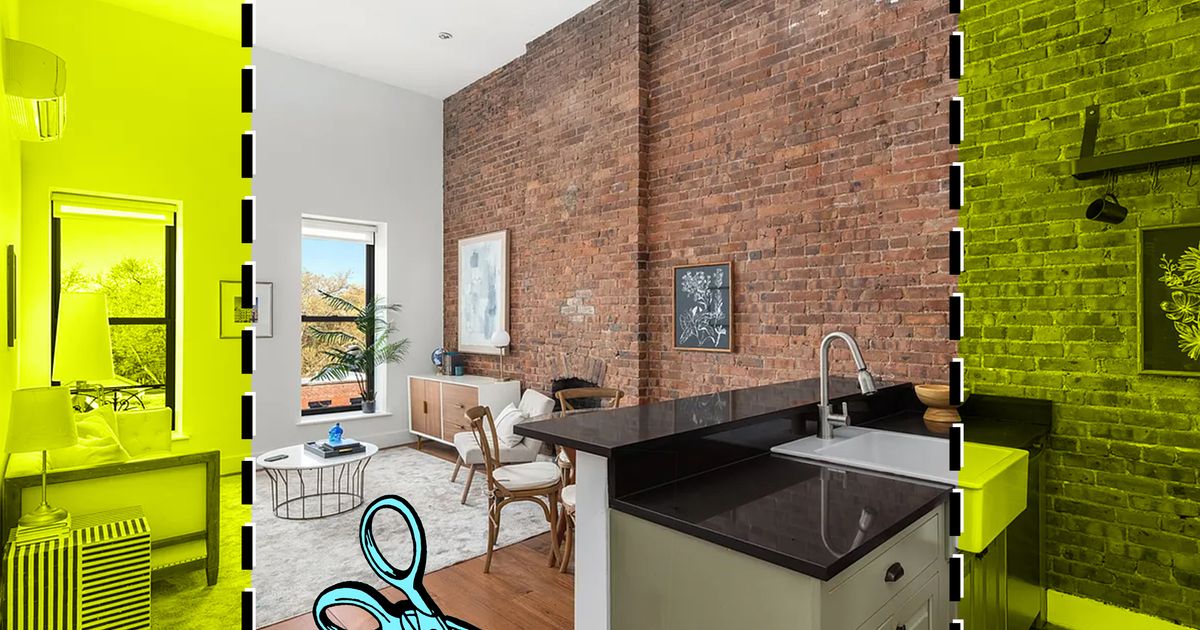
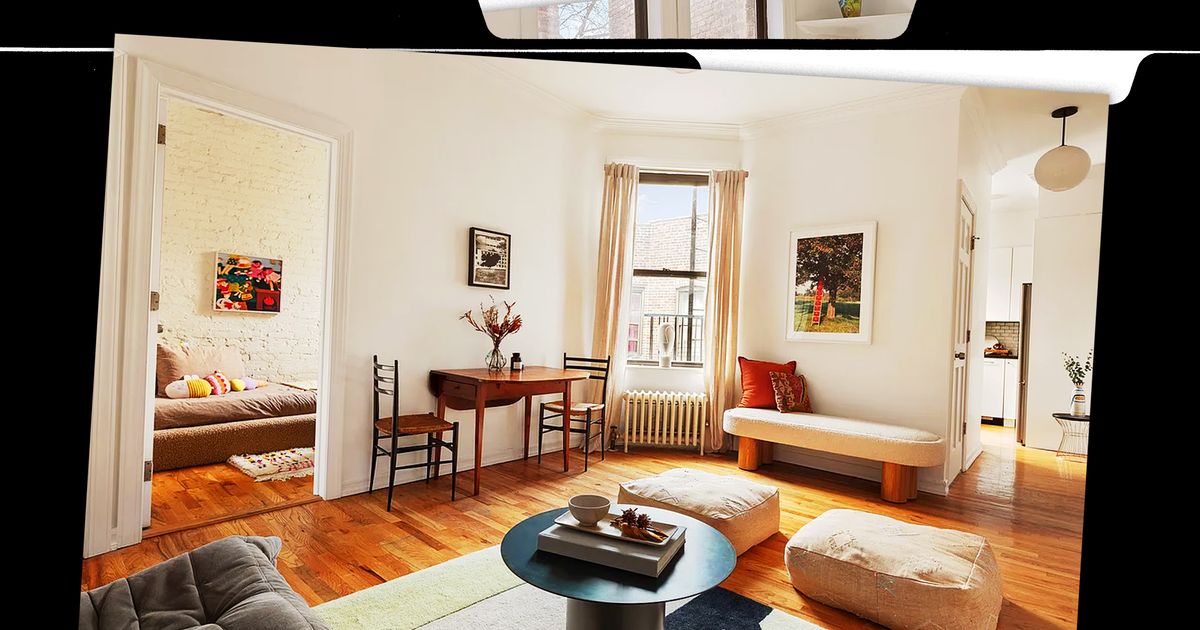
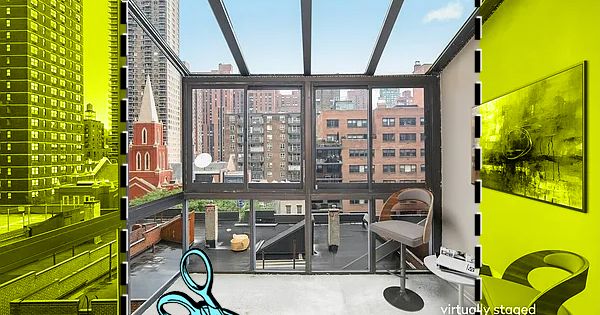
2 months agoA Two-Bedroom in Prospect Heights With Great Built-ins for $739,000
Sub-million-dollar apartments in Brooklyn and Harlem offer spacious two-bedrooms and one-bedrooms with modern renovations, desirable locations near transit and cultural institutions, and amenities like laundry and pet-friendly policies.

fromwww.businessinsider.com
1 month agoTexas dominated this new list of the 15 best US cities to live in
US News & World Report evaluated 859 cities to rank the 250 best places to live, focusing on quality of life, value, desirability, job market, and net migration. Texas cities, particularly El Paso, Austin, and Fort Worth, excelled in this ranking, showcasing the state's appeal in urban living.
Travel

fromBusiness Insider
3 months agoWe bought a house in the city with a 2.75% mortgage rate. After a few years, we feel trapped and want out.
It had everything we wanted as twentysomethings in the city - convenience, charm, great views. Over time, however, our needs have changed, and it's no longer the right fit for us. The only problem? We bought it shortly after the start of the COVID-19 pandemic, when rates had plummeted to historic lows. In fact, we locked in a 2.75% mortgage rate - so now we feel trapped in a house that no longer checks all our boxes.
Real estate
Real estate
fromRedfin | Real Estate Tips for Home Buying, Selling & More
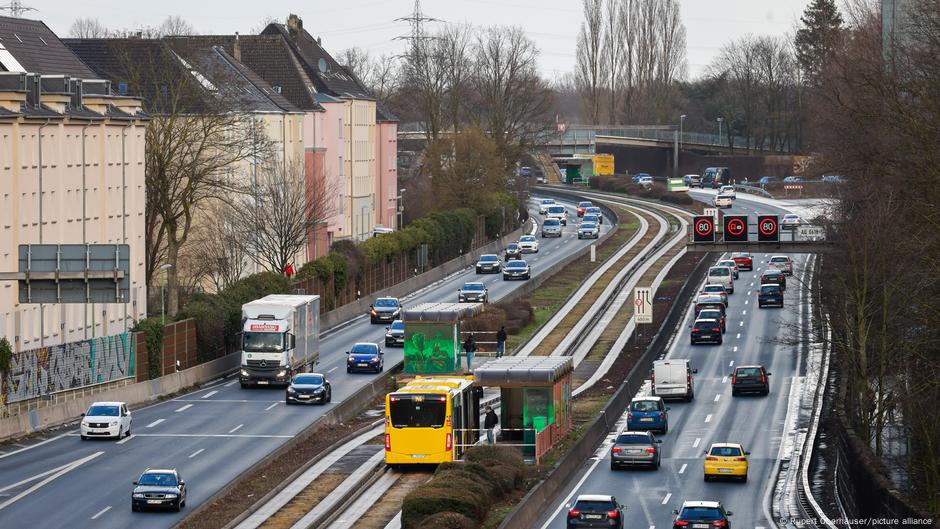
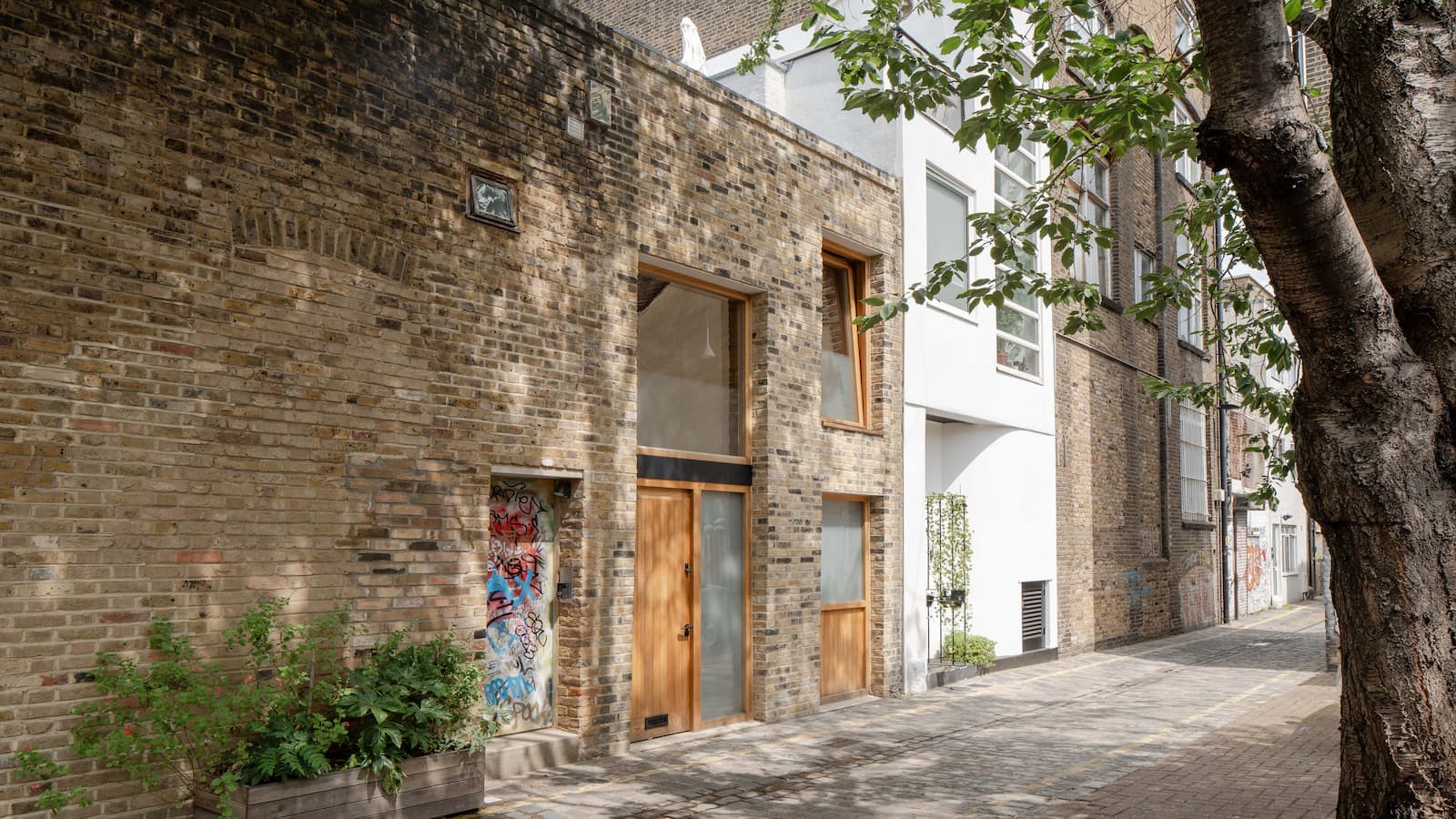
7 months agoUrban vs Suburban Living: Which Lifestyle Fits You Best?
Urban living offers convenience, culture, and transit access, while suburban living prioritizes space, quiet, and community; choose based on lifestyle preferences.






fromWashingtonian - The website that Washington lives by.
9 months agoWhat Makes The Langston the Place to Live: New Luxury Apartments in Shaw - Washingtonian
The penthouse-level pool is accented by in-water loungers and a surrounding sun deck, offering stunning, unobstructed views of the city skyline and iconic monuments.
LA real estate
fromYanko Design - Modern Industrial Design News
10 months ago10 Best Luxury Tech & Designer Accessories For Work-to-Weekend Style In July 2025 - Yanko Design
Each work-to-weekend accessory serves as the backbone of a streamlined, adaptable routine, allowing seamless transitions from professional to personal occasions.
Fashion & style
fromLivingetc
10 months agoA Cold Plunge, a Sauna, and a Home Office - How This Minimalist Garden Room's Small Footprint Answers Work and Wellness Demands
The initial vision for the project was to create a tranquil, multifunctional space that could serve both as a workspace and a wellness retreat.
Renovation


US news
fromConde Nast Traveler
9 years agoThe 10 Best Places to Live in the World
Changing addresses can significantly enhance life quality, especially in cities with good healthcare and beaches.
The EIU's 2025 Global Liveability Index shows both stability concerns and advancements in healthcare and education across cities.
fromYanko Design - Modern Industrial Design News
11 months agoWorld's Tallest Mass Timber Skyscraper Brings Sustainable Urban Living To Milwaukee - Yanko Design
The Neutral 1005 N Edison St skyscraper is set to become the world's tallest mass timber structure, signaling a new chapter in sustainable urban living.
Renovation

[ Load more ]