#starlink
#starlink
[ follow ]
#spacex #ipo #elon-musk #satellite-internet #starship #artificial-intelligence #amazon #starship-v3 #nasdaq
#spacex
Venture
fromFortune
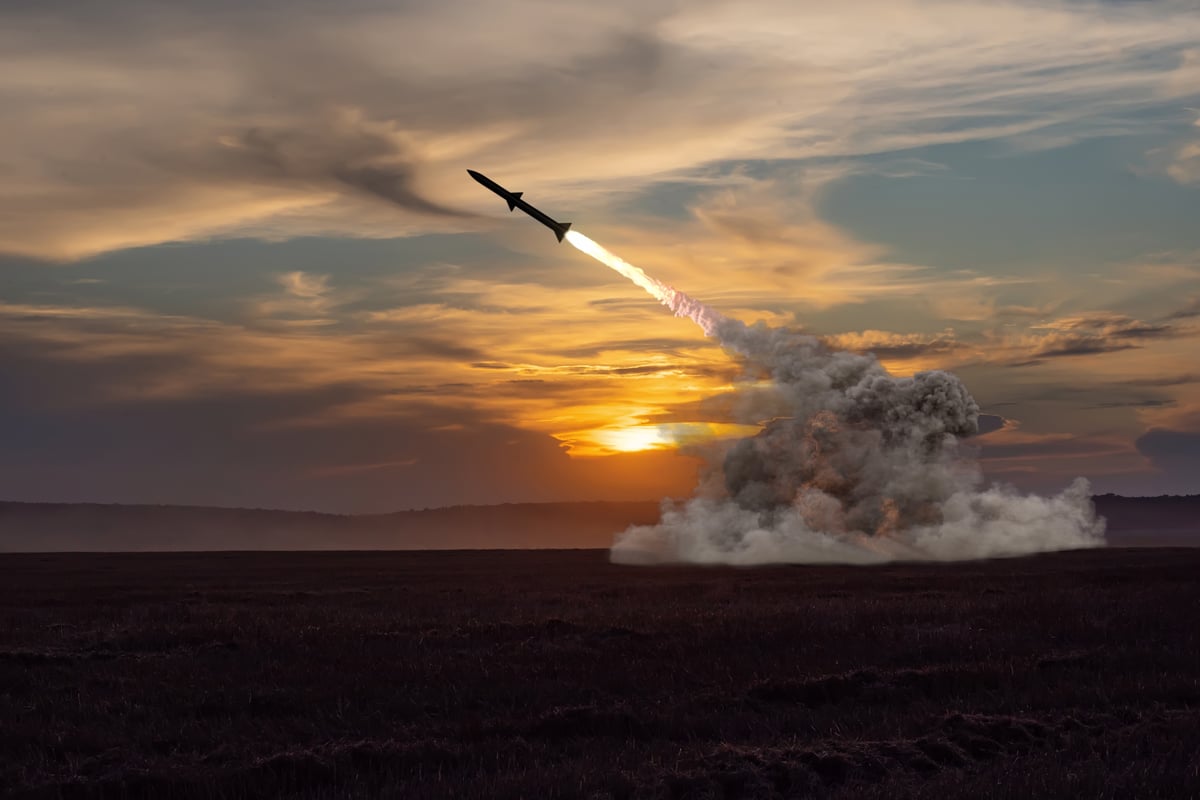
23 hours agoSpaceX's next-gen rocket is the key to its sky-high valuation, early investor says: 'Starship also enables all kinds of frontier markets' | Fortune
Starship V3’s higher payload and reusability are positioned as the platform enabling SpaceX’s satellite, data-center, lunar, and Mars ambitions.

Venture
fromThe Motley Fool
23 hours agoSpaceX Is Going Public: Here's the 1 Thing the Company Must Get Right to Justify a $1.5 Trillion Valuation | The Motley Fool
SpaceX’s S-1 shows three segments—Space, Connectivity, and AI—where only Connectivity is currently profitable, while Space and AI remain loss-making or uncertain.
Venture
fromFortune
23 hours agoSpaceX's next-gen rocket is the key to its sky-high valuation, early investor says: 'Starship also enables all kinds of frontier markets' | Fortune
Starship V3’s higher payload and reusability are positioned as the platform enabling SpaceX’s satellite, data-center, lunar, and Mars ambitions.
#ukraine-russia-war
Russo-Ukrainian War
fromBusiness Insider
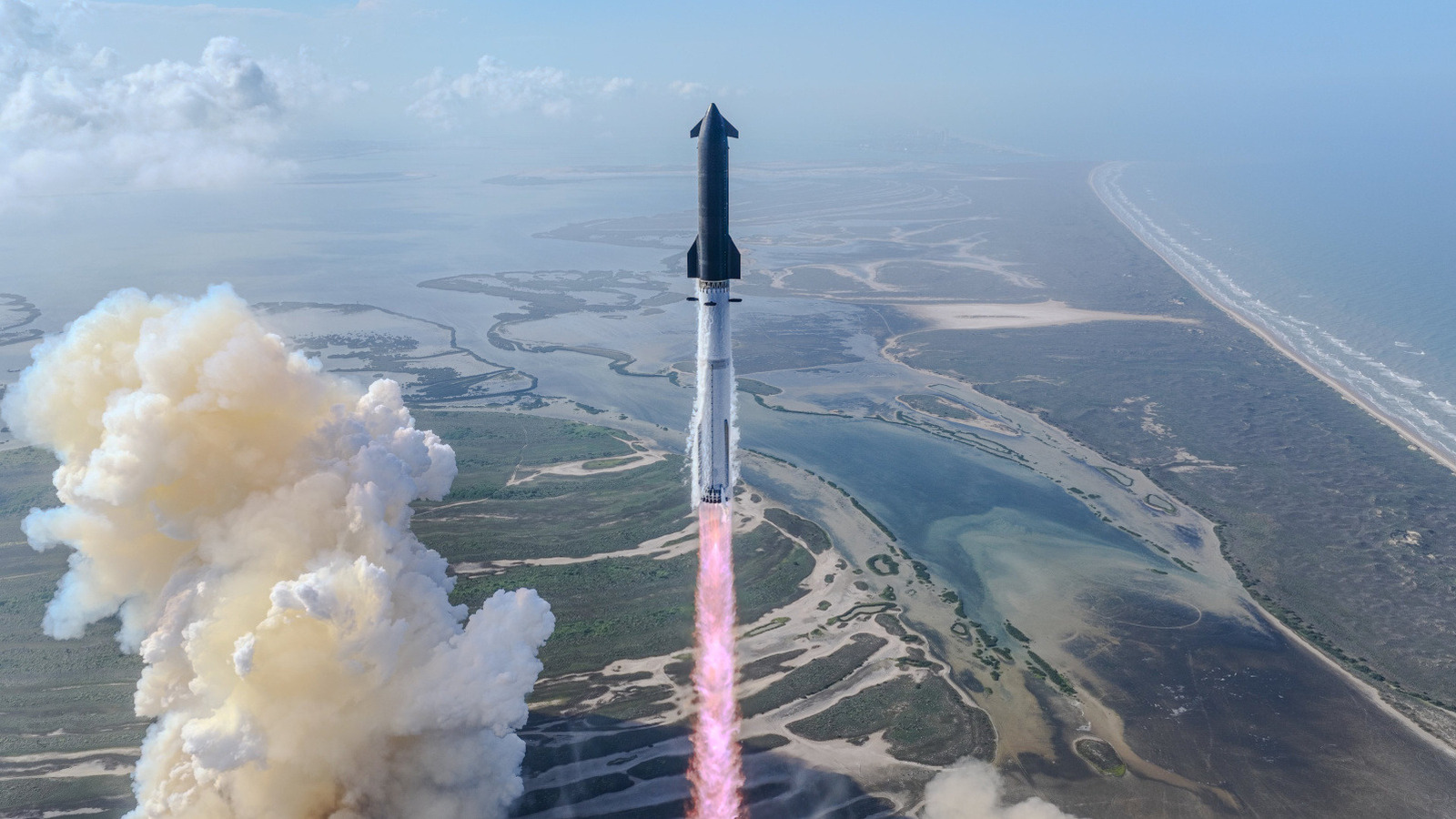
3 days agoUkraine wants Russia to pay for every square kilometer it takes with at least 200 losses - it's been hitting its number
Ukraine aims for at least 200 Russian casualties per square kilometer captured by Moscow, using mid-range strikes and Starlink losses to slow Russian advances.
European startups
fromTNW | Business
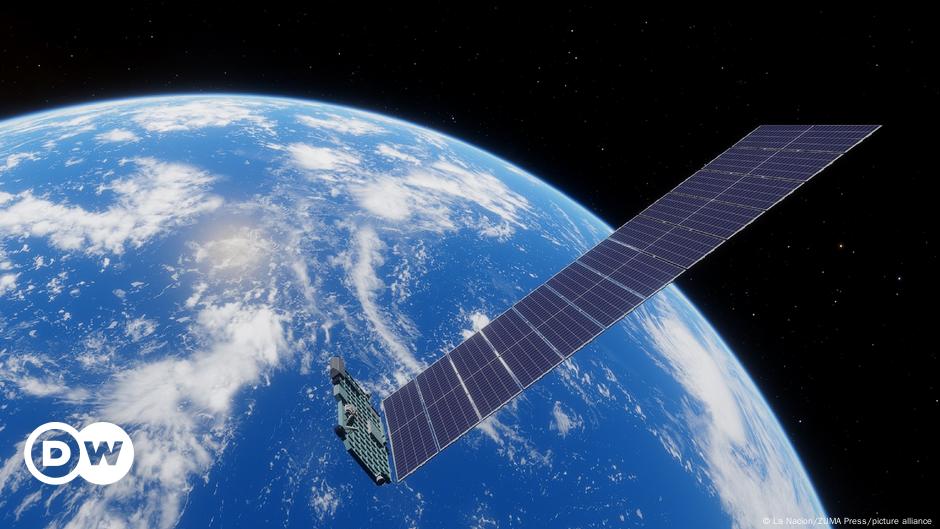
6 days agoStarlink price increase: SpaceX raises residential and Roam plans by $5-$10 and doubles Standby Mode to $10
Starlink consumer plans increased $5–$10 monthly, and Standby Mode doubled from $5 to $10, affecting new customers immediately and existing customers from 18 June.

European startups
fromTelecompetitor
1 week agoNordian becomes Starlink reseller, will integrate it for digital ag and other uses
Nordian became an authorized Starlink reseller to help OEMs integrate Starlink connectivity and precise positioning into production for reliable operations in signal-challenged environments.
fromTelecompetitor
1 week agoFCC approves AT&T and Starlink purchases of EchoStar spectrum
“These two decisions promise to accelerate Internet speeds, strengthen competition, and bolster rural service while allowing America to lead the world in next-gen connectivity, including new high-speed offerings direct to your smartphone from low-earth orbit satellites.”
Tech industry
fromTelecompetitor
2 weeks agoStarlink nearing full FCC broadband compliance: Ookla report
SpaceX's Starlink low Earth orbit (LEO) service provided median download speeds of 100 Mbps or higher in all states except Alaska during the second half of 2025, according to a recent Ookla Speedtest report. The Speedtest data also found median upload speeds of 20 Mbps or more in 22 states during the period. None were able to offer that speed during the second half of 2024, according to the report, which was written by Ookla editorial director Sue Marek, a sign that Starlink's upload speeds are improving.
Roam Research

fromTelecompetitor
3 weeks agoFCC documents reveal top Starlink complaints: Fast Company report
Many customers alleged that they received only automated responses and could not reach a live Starlink representative by phone. One notable case involved a Vermont family that went without internet service for five days after a router failure, unable to activate a replacement device due to the need for two-factor authentication.
Tech industry






fromComputerWeekly.com
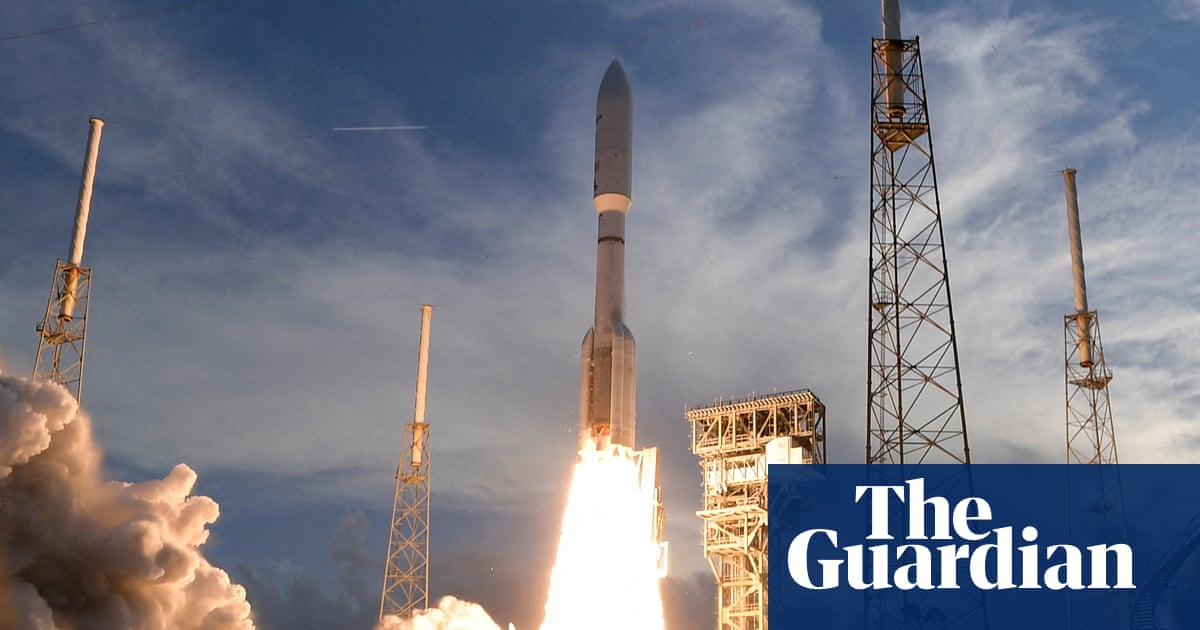
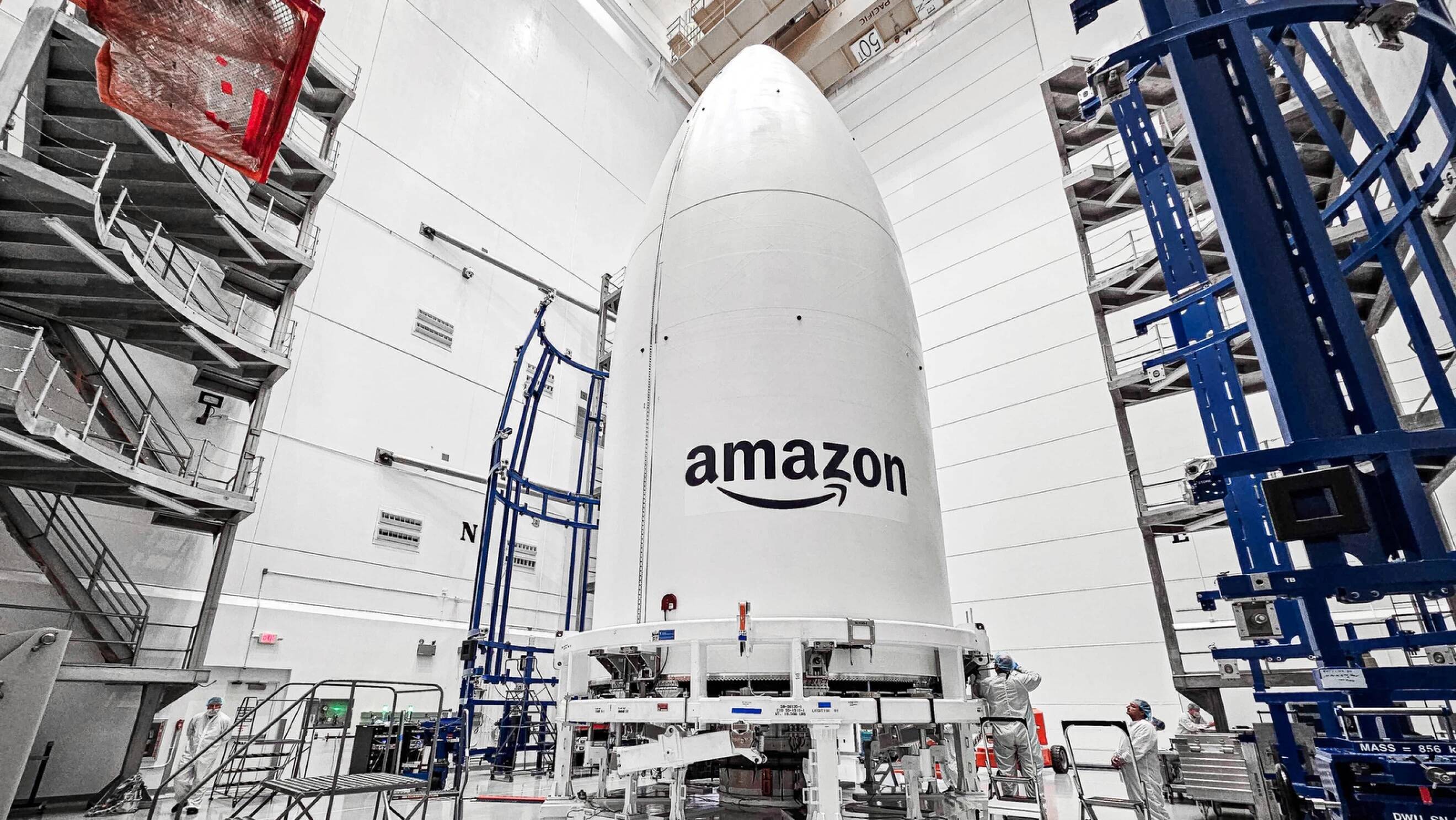
2 months agoStarlink launches services in UAE and Kuwait, expanding Middle East satellite internet | Computer Weekly
The launch of Starlink services in Kuwait through Sama X marks an important step in strengthening the country's digital infrastructure. At a time when reliable connectivity has become essential for business continuity and the effective functioning of key sectors, this technology provides advanced connectivity that helps organisations, governments and communities stay connected wherever they operate.
European startups
Social media marketing
fromTechCrunch
2 months agoX is testing a new ad format that connects posts with products | TechCrunch
X is testing a new ad format that displays product recommendations directly beneath relevant posts, with Starlink as the initial test case, aiming to create ads that feel like organic recommendations rather than traditional advertisements.
fromLondon Business News | Londonlovesbusiness.com
3 months agoRussia isn't just bending, it is breaking - London Business News | Londonlovesbusiness.com
For months, Moscow has insisted that Western technology is not changing the war in Ukraine in any decisive way. Which is precisely why it is so interesting that Russia's own Ministry of Defence now feels the need to talk about it at all. When a system "isn't having an effect," you usually don't bother announcing that it isn't having an effect.
Miscellaneous
fromwww.theguardian.com
3 months agoUkraine war briefing: Kyiv's forces made fastest battlefield gains since 2023, analysis finds
Ukraine recaptured 201 sq km from Russia between Wednesday and Sunday last week, taking advantage of a Starlink shutdown for Russian forces, according to an Agence France-Presse analysis of data from the Institute for the Study of War (ISW). The recaptured area (78 sq miles) is almost equivalent to the Russian gains for the entire month of December and is the most land retaken by Kyiv's forces in such a short period since a June 2023 counteroffensive.
Miscellaneous
[ Load more ]