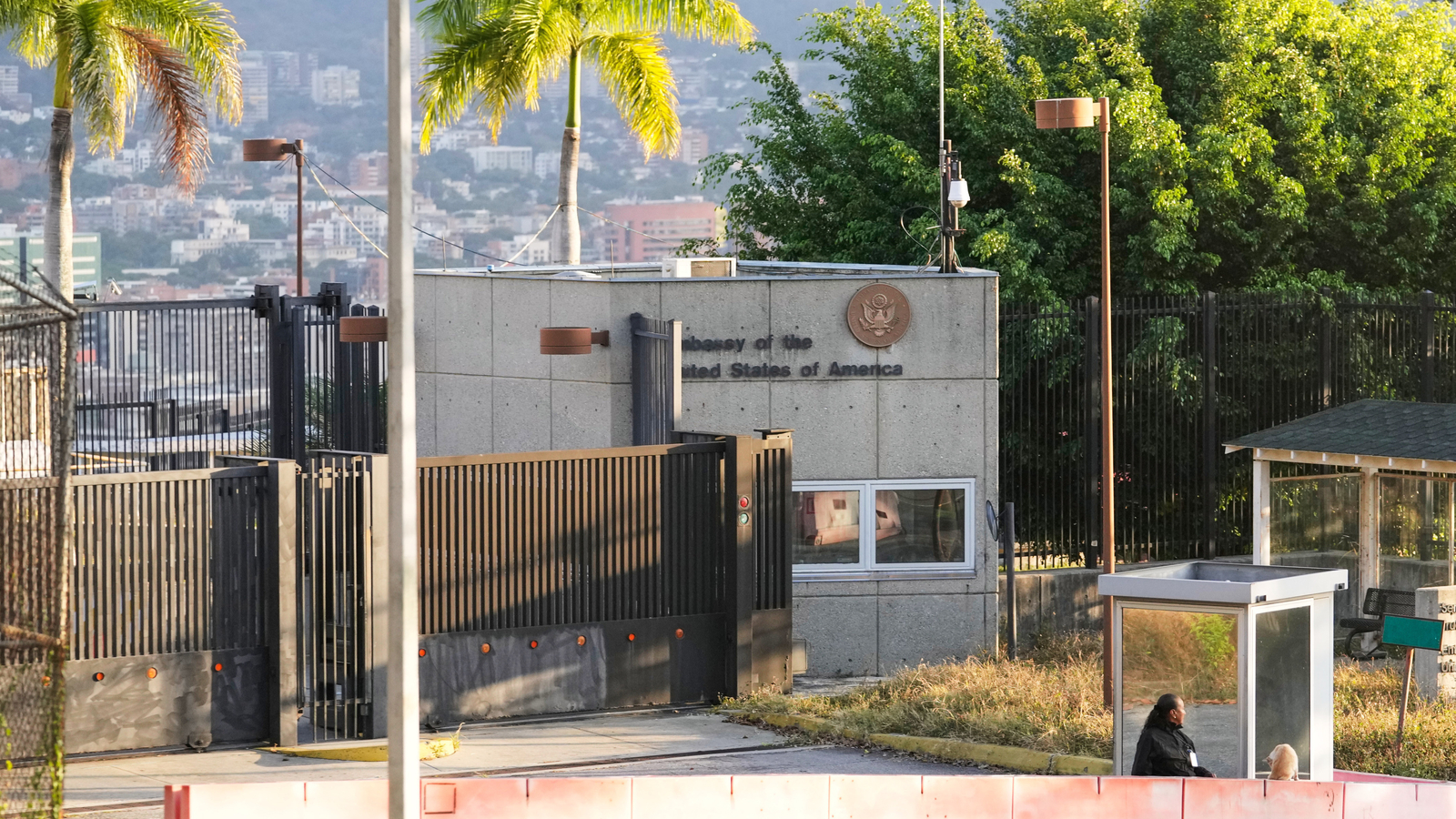
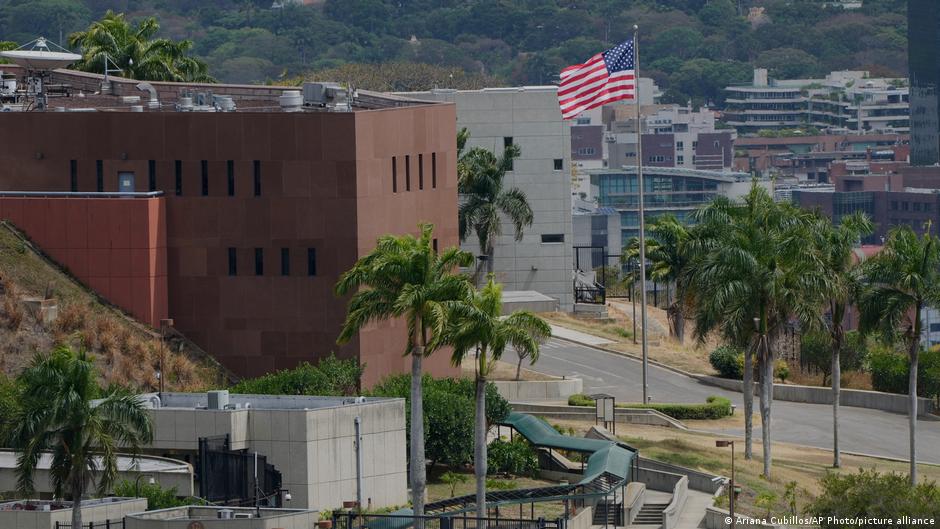
Young was promised that Secretary of State Marco Rubio would appear before the Foreign Relations Committee in a public hearing after next week's recess and assured that the administration will come to Congress first if U.S. military forces are needed in Venezuela, he said. He cited his talks with Rubio as influential in his decision. "To have the secretary of state be at my disposal - really, I mean, countless phone conversations and text exchanges - was very reassuring to me," he told reporters.
According to Trump, Maduro was responsible for trafficking colossal amounts of deadly and illicit drugs and fueled the overdose deaths of countless Americans. Critics have pushed back on this, arguing even Drug Enforcement Administration data shows virtually no fentanyl comes from Venezuela and very little cocaine comes in compared to Mexico, a country where a large percentage of fentanyl does come from.
There was once a time when the White House Press Secretary retweeting accounts of the novel deployment of high-tech weaponry against human targets would have been global news, but what goes unsaid is that in this previous timeline, the press secretary would have been citing an actual source, with a real story to share, rather than a piece of propaganda that has clearly been manufactured for an obvious purpose.
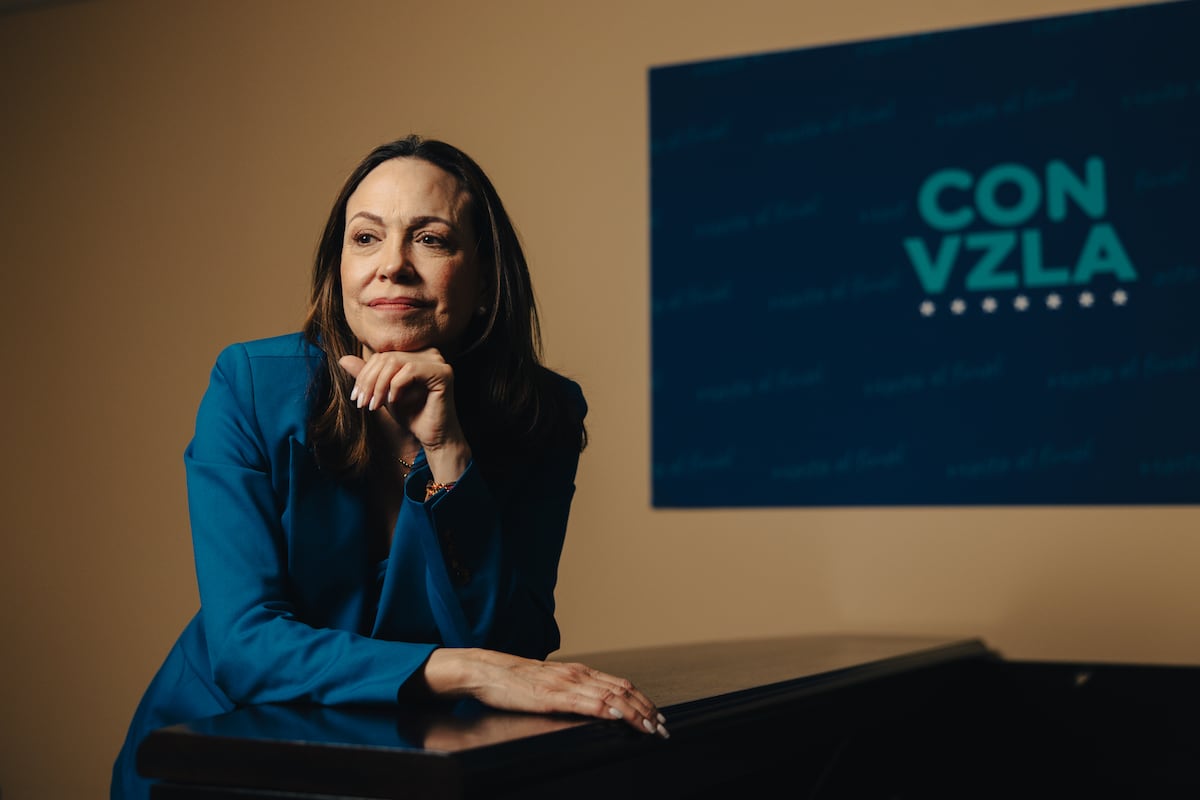
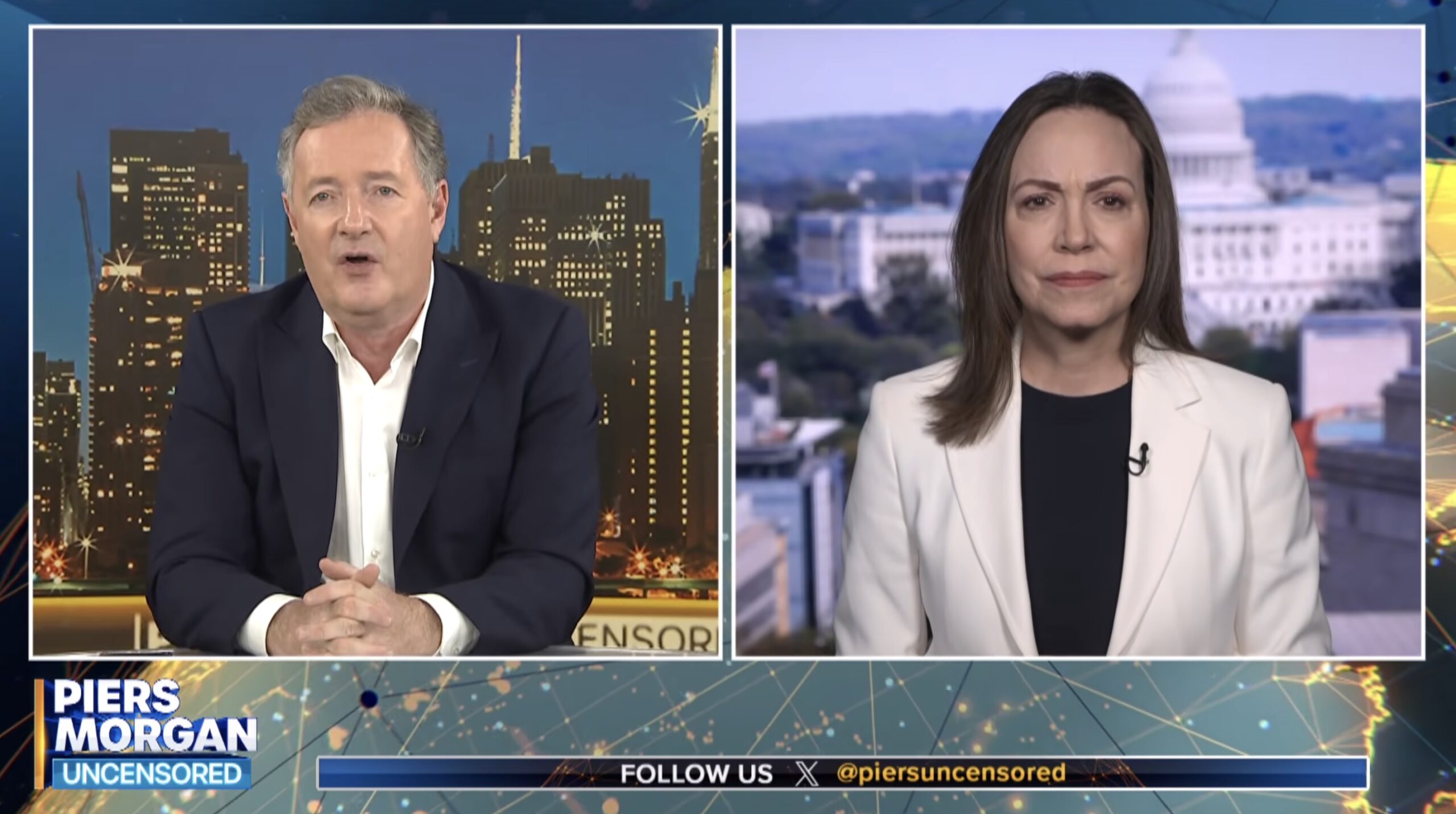
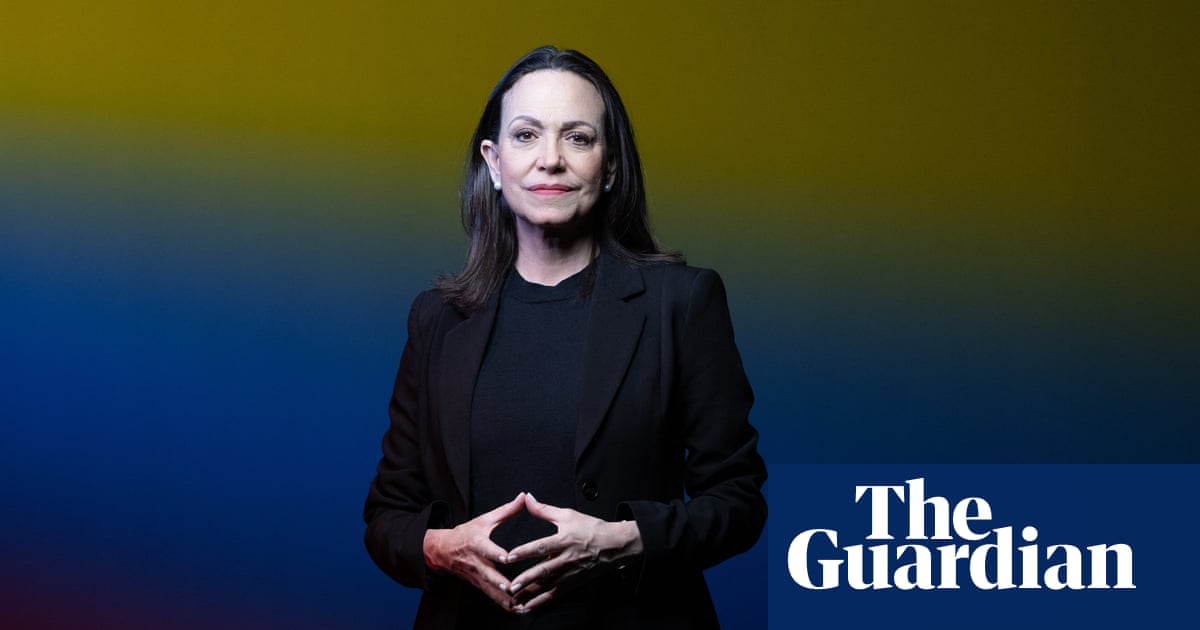
Trump has made no secret of his strongly held desire to be awarded the Nobel peace prize, the winner of which is selected by an independent five-person committee in Oslo. After the US launched airstrikes and a raid in Venezuela that led to the seizure of its leader, Nicolas Maduro, Machado last week told Fox she wanted to give it to him [Trump] and share it with him on behalf of the Venezuelan people.
The word loot entered the English language from Hindi in the late eighteenth century, as the rapacious East India Company plundered its way across the subcontinent. It was a trading company, not a state but it had the imprimatur of the English crown and its own large private army, mingling commerce and military force and opening the way for British imperial dominance of India.
Pacing inside the Kremlin last weekend, as news feeds churned out minute-by-minute reports of Donald's Trump's Venezuelan coup, Vladimir Putin may have been wondering what it would mean for the price of oil. Crude oil has lubricated the Russian economy for decades far more than gas exports to Europe and so the threat of falling oil prices, prompted by US plans for control of Venezuela's rigs, will have been a source of concern.
This week: The Trump administration kidnapped the president of Venezuela. Felix Salmon, Elizabeth Spiers, Emily Peck, and guest Lizzie O'Leary, host of What Next: TBD, discuss Trump's rationale for the attack and the complex economics around Venezuelan oil that come with it. Then, Lizzie breaks down the unsettling trend of AI-generated nudes of real people, including many children, being created by X's chatbot Grok and Elon Musk's lackadaisical response to it.
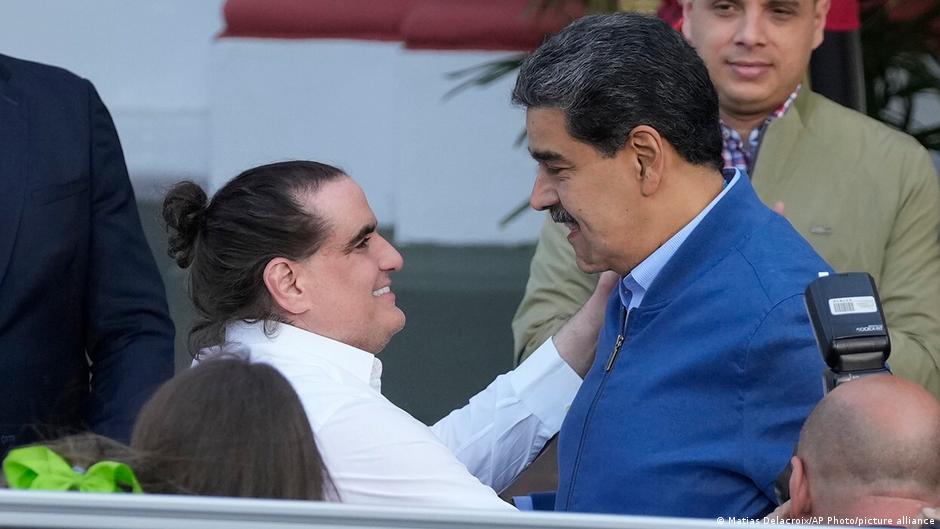
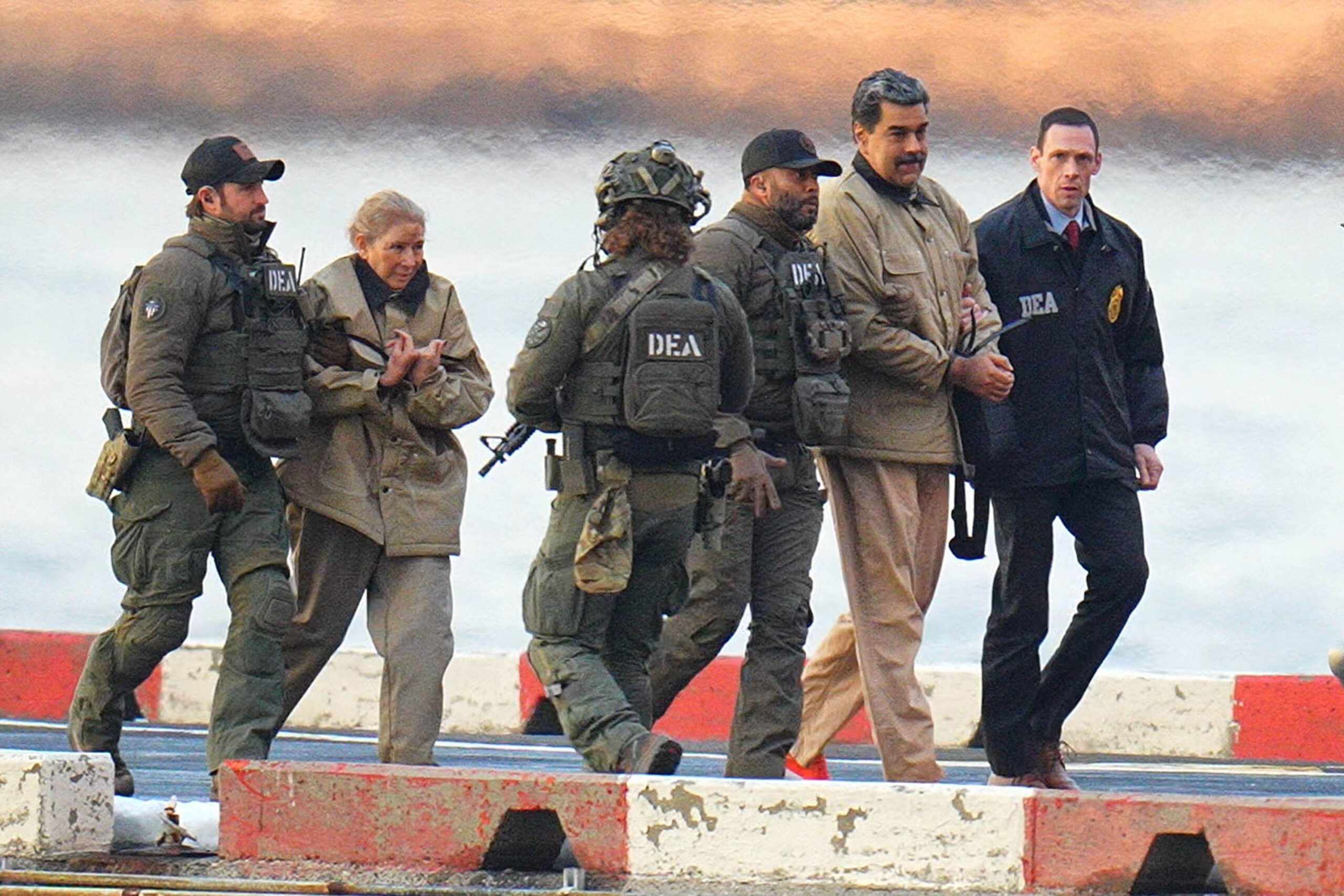
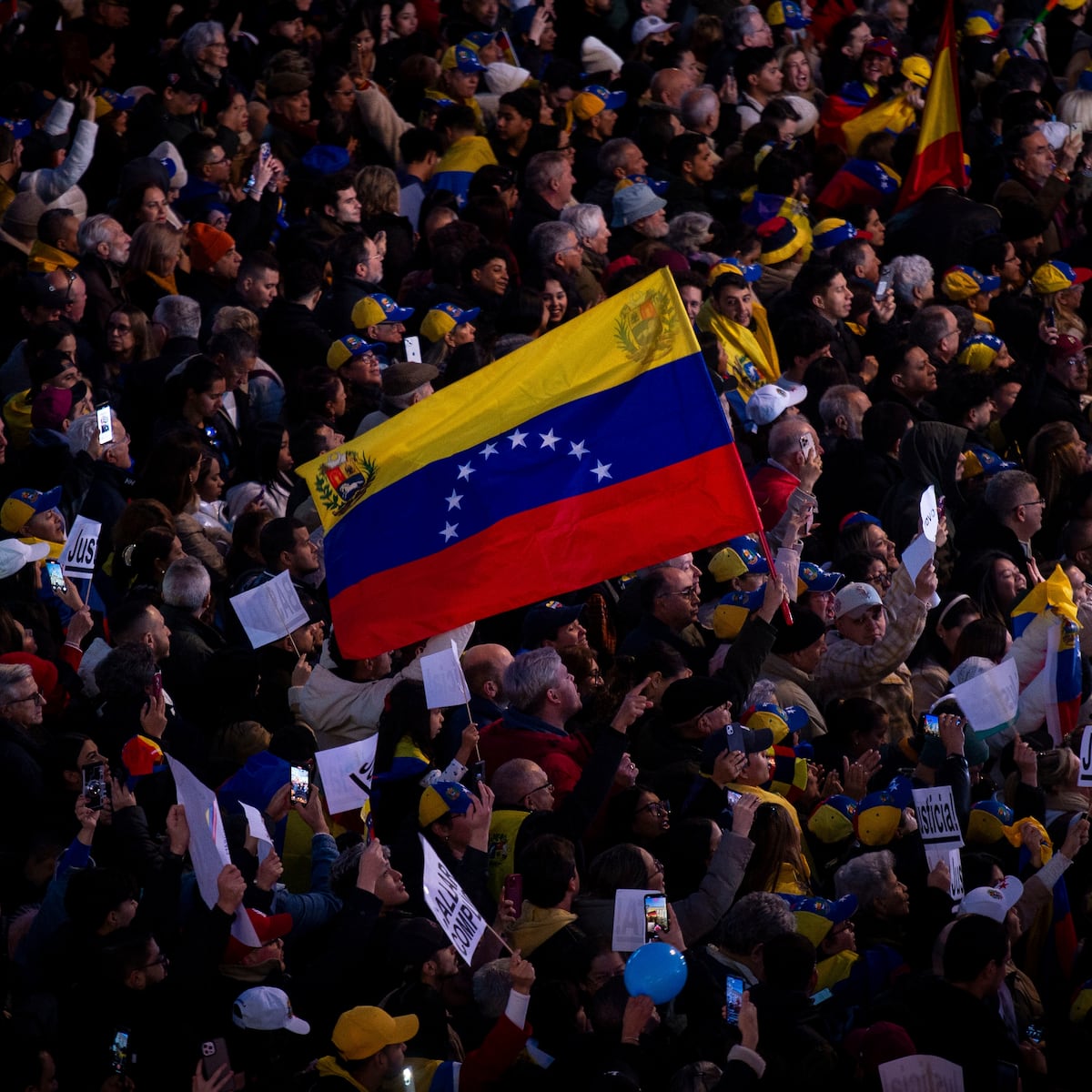
The Venezuelan dictator Nicolás Maduro has been removed from power-captured in the dead of night and arraigned before an American judge. That's the good news. But as is so often the case with the actions of Donald Trump, it isn't the only storyline. The United States president immediately threw cold water on the idea that the raid could pave the way for a rapid democratic transition under the leadership of last year's Nobel Peace Prize winner, María Corina Machado.
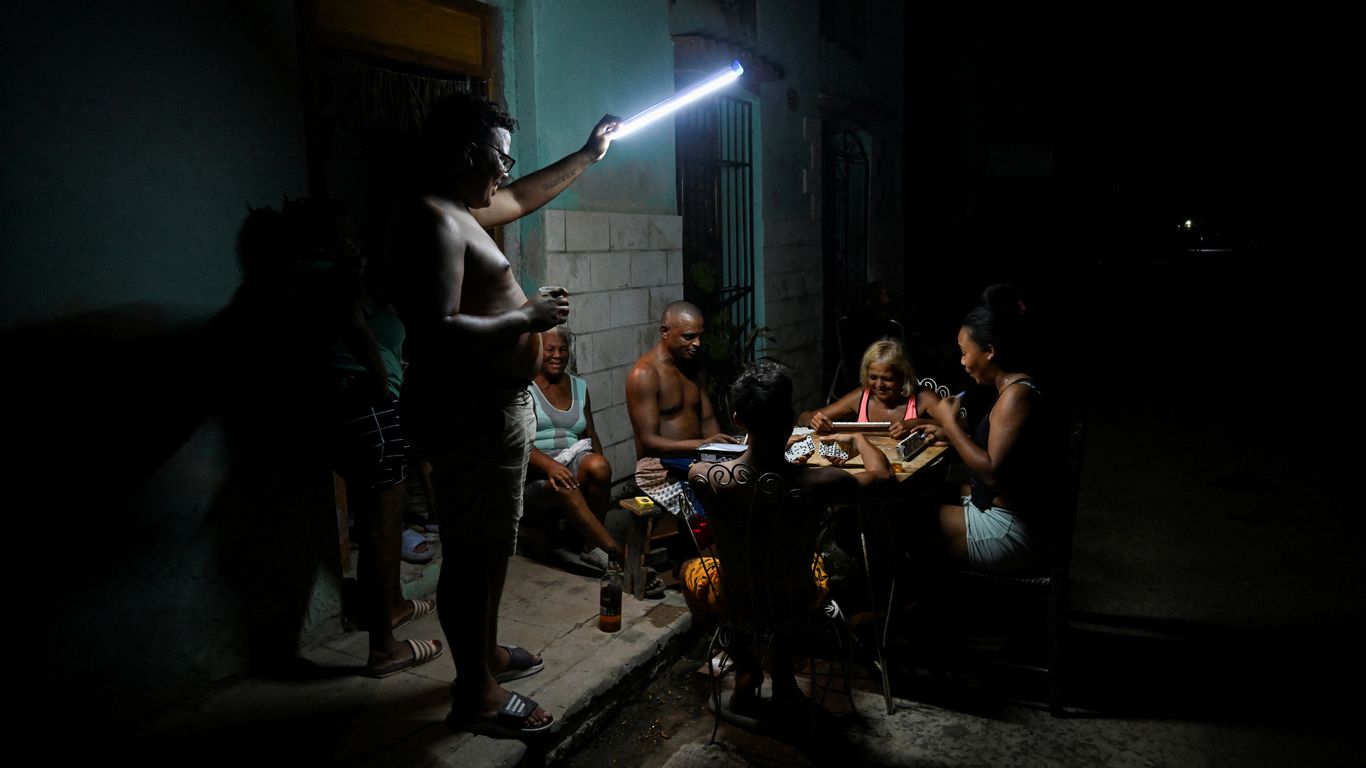
At the White House, President Donald Trump vows American intervention in Venezuela will pour billions of dollars into the country's infrastructure, revive its once-thriving oil industry and eventually deliver a new age of prosperity to the Latin American nation. Here at a sprawling street market in the capital, though, utility worker Ana Calderón simply wishes she could afford the ingredients to make a pot of soup.