"Trump, in a Jan. 8 Truth Social post, said he has the power to do that, and questioned the constitutionality of a related law. "The War Powers Act is Unconstitutional, totally violating Article II of the Constitution, as all Presidents, and their Departments of Justice, have determined before me," Trump wrote. But Trump went too far by calling the 1973 War Powers Resolution unconstitutional. Courts have repeatedly declined to rule on its constitutionality."
"Within days of the Venezuela operation, the Senate advanced a resolution to limit further military operations in Venezuela without congressional backing, with five Republicans joining Democrats in supporting it. But this measure has little chance of being enacted, since it would need Trump's signature if the Republican-controlled House passes it, which is uncertain. For decades, presidents and Congress have battled over who has the institutional power to declare war."
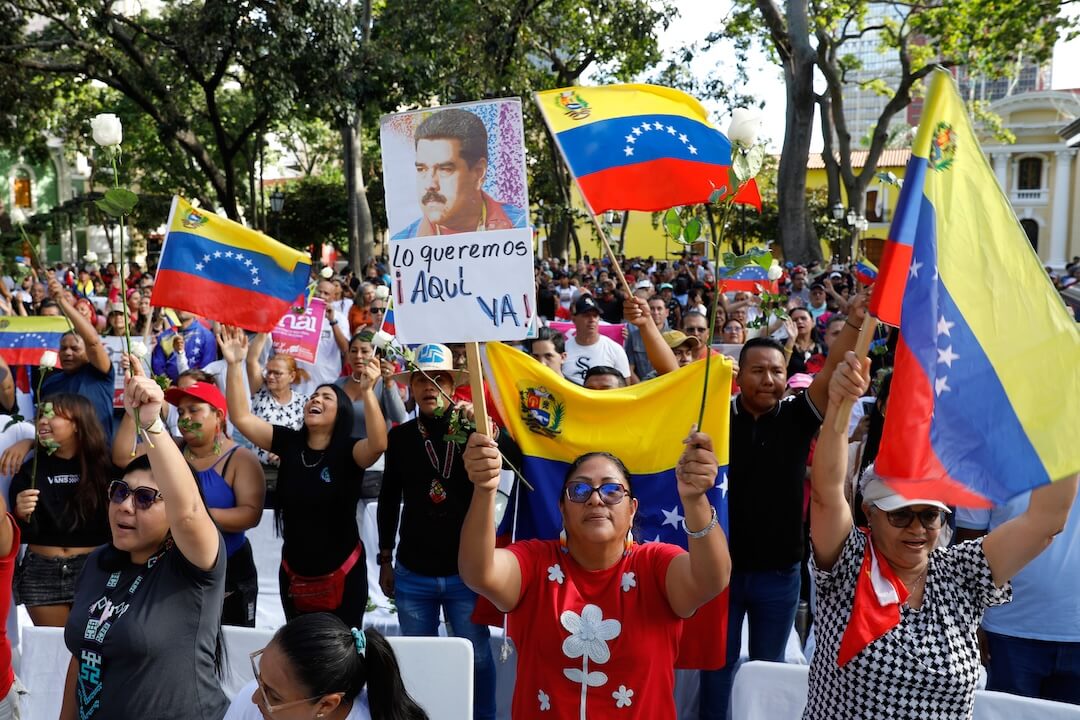
President Donald Trump ordered U.S. military forces to capture Venezuelan leader Nicolás Maduro without congressional authorization, drawing criticism from some lawmakers. Trump posted that he has the power to order such action and called the War Powers Act unconstitutional, asserting it violates Article II. Courts have repeatedly declined to rule on the resolution's constitutionality. The Senate advanced a resolution to limit further U.S. military operations in Venezuela without congressional backing, though enactment appears unlikely given the need for presidential signature and House uncertainty. For decades Congress and presidents have contested who may declare war, with Congress holding the constitutional power to declare it.
Read at Poynter
Unable to calculate read time
Collection
[
|
...
]