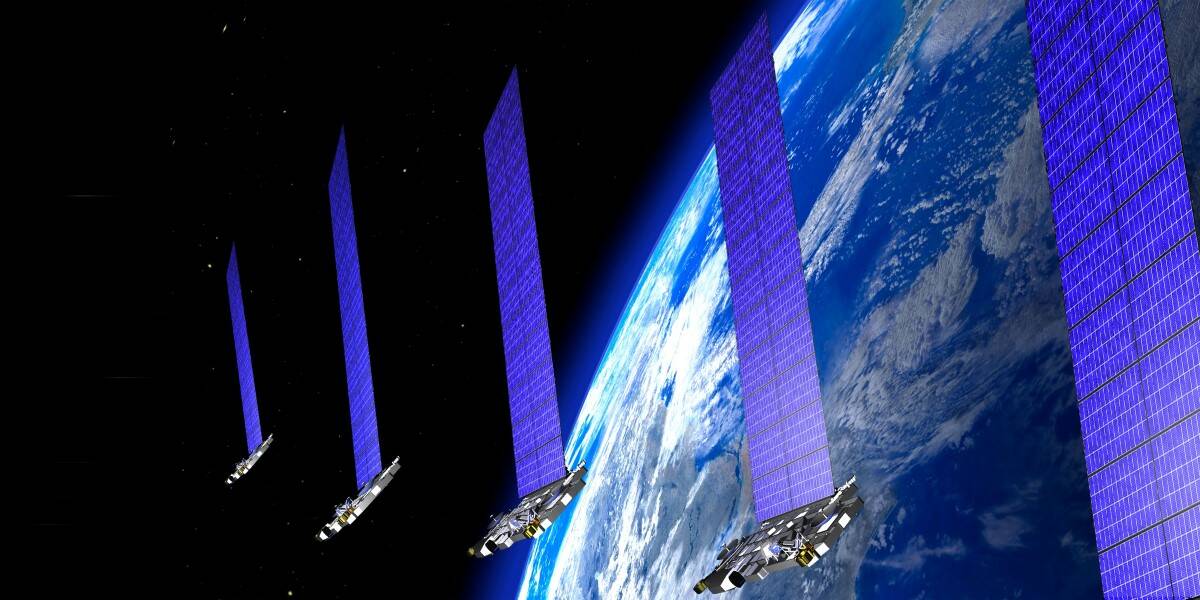
"Stefanovic found that Starlink carried data more quickly than connections that started on European cellular networks, despite the space broadband service often requiring more network hops and not using Tier 1 networks. She hypothesized that Starlink's performance can be attributed to the satellite-to-satellite laser connections SpaceX employs, which route traffic across the satellite network so it can reach the most appropriate terrestrial egress point. That laser network, she suggested, should perhaps be considered a new routing layer for the internet."
"In a later conference panel dedicated to the operational, policy, and resilience implications of internet access services delivered from low-Earth orbit, APNIC chief scientist Geoff Huston pointed out that Starlink can't always land traffic in countries where its service is available. He said the countries surrounding Mongolia - China and Russia - are hostile to Starlink, so the space ISP lands traffic for Mongolian users in Japan then uses terrestrial links to reach the central Asian country."
Starlink can sometimes shift data more quickly than terrestrial networks and improves connectivity in remote areas. Measurements using the RIPE Atlas network showed Starlink carrying data faster than connections that began on European 4G/5G networks, even when the satellite path involved more hops and bypassed Tier 1 networks. The faster performance was attributed to SpaceX's satellite-to-satellite laser links, which can route traffic across the orbital network to optimal terrestrial egress points and may function as a distinct routing layer. Operational and policy concerns arise when Starlink cannot land traffic domestically, creating cross-border dependencies and regulatory exposure.
Read at Theregister
Unable to calculate read time
Collection
[
|
...
]