#restaurants
#restaurants
[ follow ]
#new-york-city #dining #food #travel #food-culture #culinary #cuisine #brooklyn #hotels #los-angeles #hot-list


#los-angeles


LA food
fromEater LA
1 month ago4 Restaurants to Try This Weekend in Los Angeles: April 3
Four recommended dining spots in Los Angeles include Rainforest Cafe and Very Thai.
fromLos Angeles Times
3 months agoFood & drink
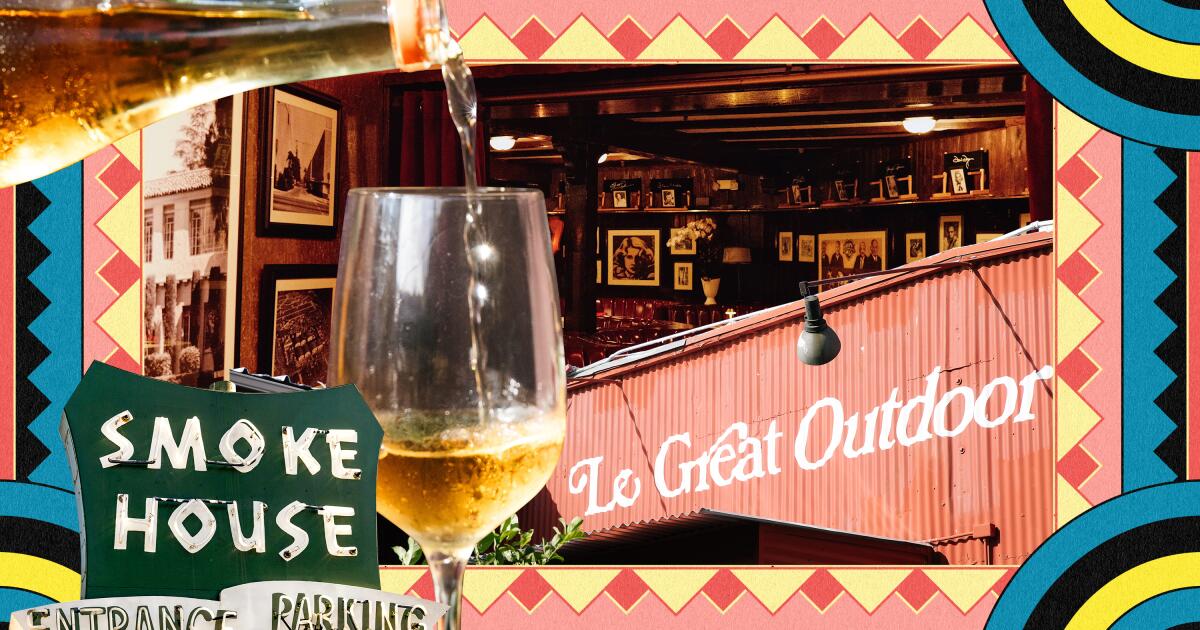
We're throwing a party for our 95-year-old dad! What are some nostalgic L.A. spots?
Choose a nostalgic, senior-friendly Los Angeles restaurant with a reservable patio—such as Casablanca in Venice—for an intimate, budget-conscious 95th-birthday celebration.
fromCN Traveller
4 weeks agoWhere the Chefs Eat: Yotam Ottolenghi's favourite restaurants in Amsterdam
I used to live in Amsterdam 30 years ago. I've been spending more and more time in the city, reconnecting with the city and getting to know its vibe and its restaurants. Amsterdam has changed so much since I was here in the late '90s.
London food

.gif)
%20copy%20(1).jpg)


fromEater
1 month agoThese 6 Iconic Restaurant Artworks Are the Stars of the Dining Room
The painting in question was gifted to the Inn's late founder Helmuth Deetjen by the late, celebrated local artist George Choley. This particular Choley painting had been in the same place since the 1980s, undisturbed, and a symbol of continued historic preservation.
Dining
fromFOX 5 New York
1 month agoMichelin Guide adds 9 NYC restaurants: See the list
"Being selected for The Guide also means that the establishment is already on Inspectors' radar, so it could receive other awards in the future. MICHELIN-selected restaurants are sometimes promoted to Stars or Bib Gourmands in subsequent years."
NYC food
Online marketing
fromEntrepreneur
1 month agoMost Restaurants Are Missing Out on the Platform That Brings Customers In - Here's What a Google Strategist Recommends
YouTube serves as a powerful discovery engine for restaurants, enhancing audience reach and customer loyalty through diverse content formats.


fromTravel + Leisure
2 months agoWhat Travelers Need to Know About Tipping in Europe-From Restaurants to Hotels and Taxis Across 10 Countries
At restaurants in Italy, an average of 10 to 15 percent is appreciated. When it comes to drivers and tour guides, the average is 10 percent, but many leave more.
Europe news
Food & drink
fromConde Nast Traveler
3 months ago9 Best Restaurants in San Antonio, a Taco Town With Plenty More on the Menu
San Antonio’s food scene blends long Mexican-American culinary traditions with creative international influences, offering tacos, regional Mexican dishes, and inventive barbecue across neighborhoods.
Social media marketing
fromwww.standard.co.uk
3 months agoRestaurant boss Jeremy King threatens to ban influencers from his Notting Hill eaterie The Park
A Notting Hill restaurant faces disruption from camera-wielding influencers and may ban phones or impose mobile-free rules to protect diners' experiences.
[ Load more ]