#rail-fleet-support
#rail-fleet-support
[ follow ]
#logistics

Business intelligence
fromLondon Business News | Londonlovesbusiness.com
3 hours agoHow contact centre outsourcing drives faster deliveries in logistics - London Business News | Londonlovesbusiness.com
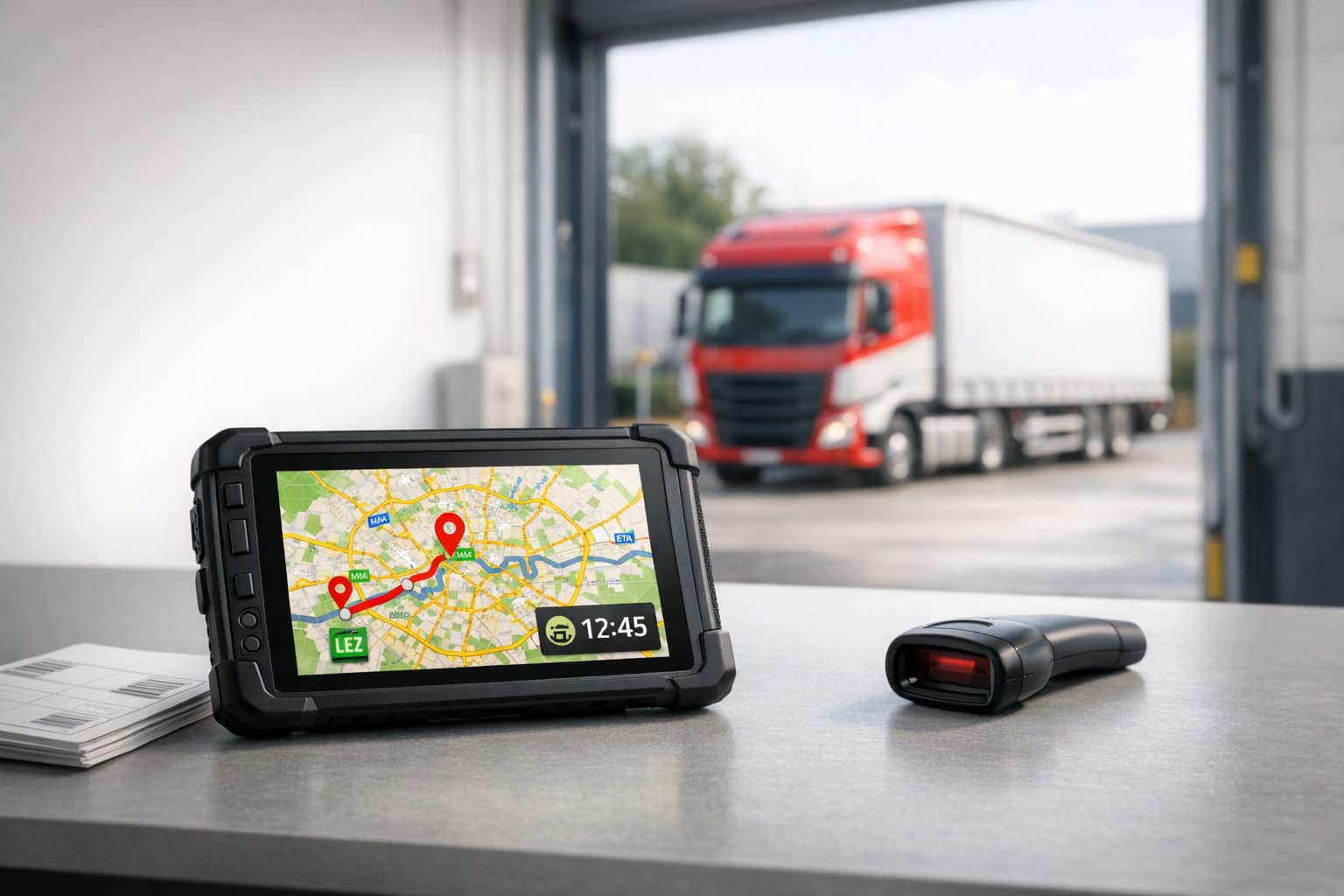
Call center outsourcing is now a core strategy for logistics companies to enhance delivery performance and operational efficiency.
London startup
fromLondon Business News | Londonlovesbusiness.com
5 days agoHow digital technology is making road freight operations more efficient - London Business News | Londonlovesbusiness.com
Digital technologies enhance operational efficiency and transparency in UK logistics, addressing rising costs and customer expectations.
fromianVisits
9 hours agoSeven shades of green: the DLR's quietly complicated network
The DLR first opened in 1987, it had two lines: Red - Stratford to Island Gardens and Green - Tower Gateway to Island Gardens. Within just a few years, as the DLR extended out to Beckton and later Lewisham, they turned the whole map green.
London

#transportation


SF politics
fromStreetsblog USA
1 week ago"Why Do We Do This Bill?": Preparing Congressional Staff for Surface Transportation Reauthorization - Streetsblog USA
Federal surface transportation reauthorization lacks institutional knowledge, leading to skepticism about its effectiveness and the need for reevaluation.
Alternative transportation
fromStreetsblog San Francisco
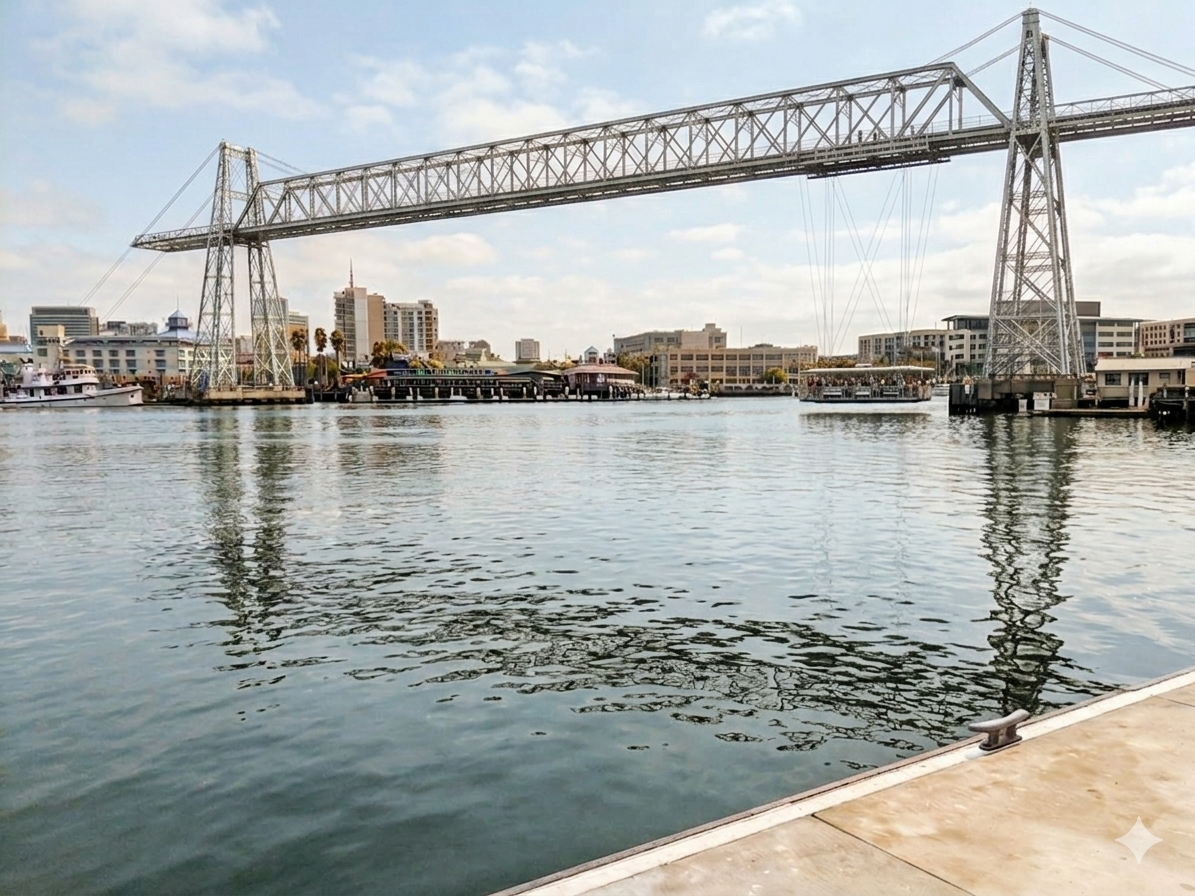
5 days agoCommentary: Is a Transporter Bridge the 100-Year-Old Solution for the Estuary Crossing We've all been Looking for? - Streetsblog San Francisco
A transporter bridge could provide a cost-effective solution for pedestrian and cyclist access between Western Alameda and Jack London Square.



fromBusline News
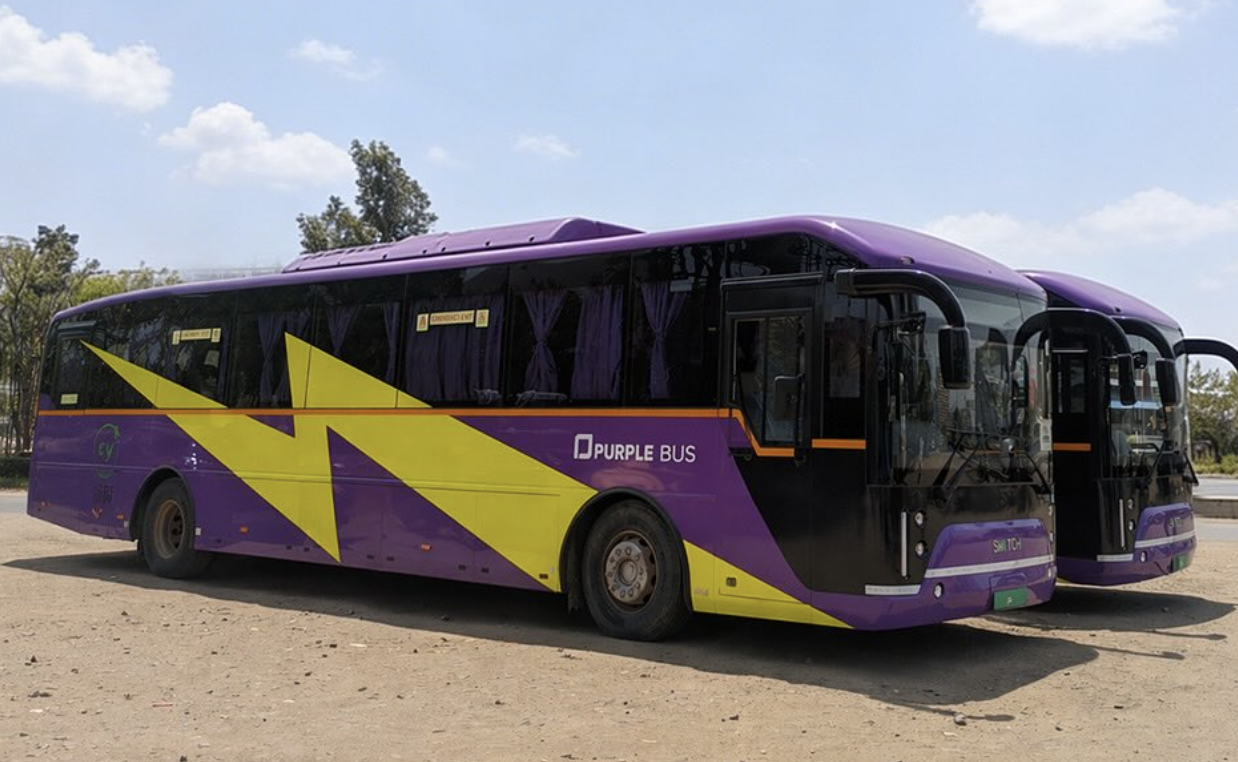
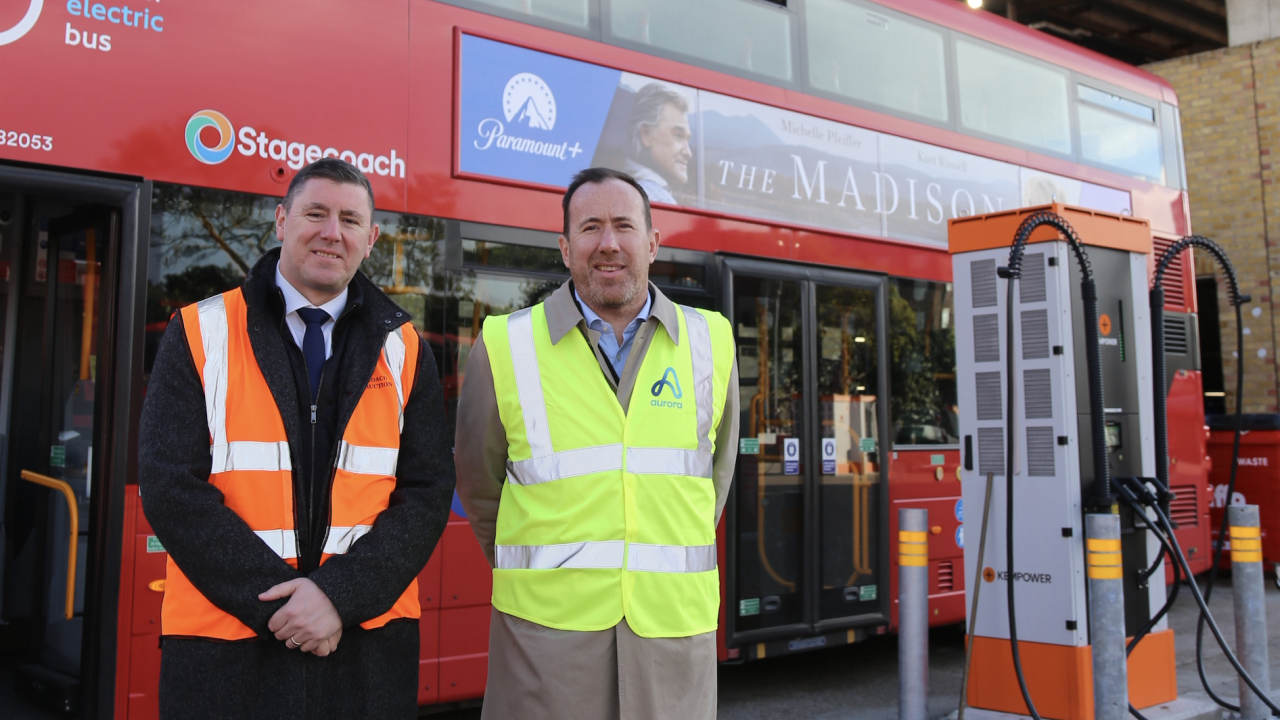
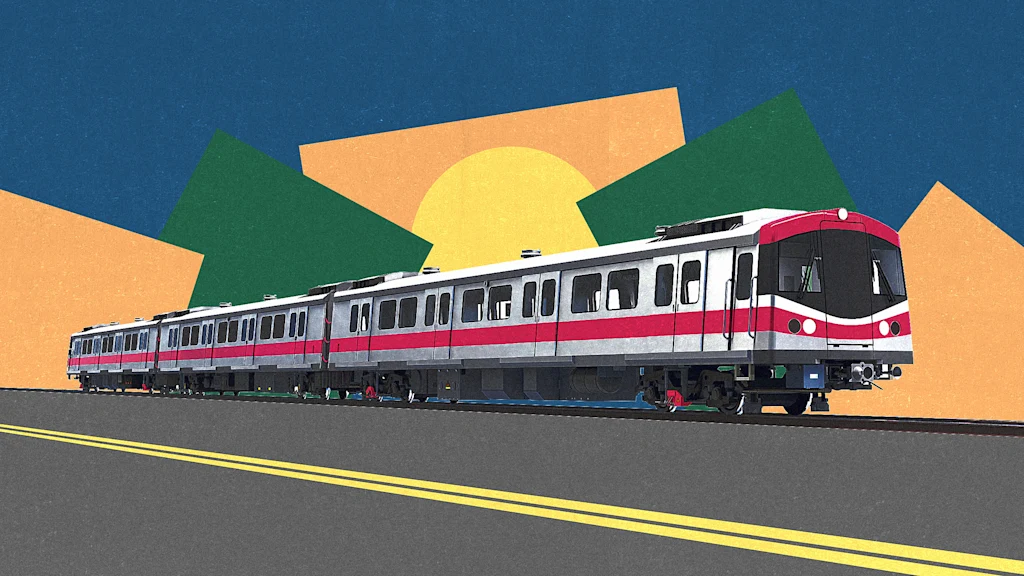
6 days agoENC Named To Washington State DES Statewide Transit Bus Contract - Busline News
Being named to the Washington State DES contract is a significant milestone for ENC and a testament to the strength of our product portfolio. This contract gives transit agencies across the region a streamlined path to American-made, Altoona-tested heavy-duty buses in every major propulsion category.
Alternative transportation

UK news
fromComputerWeekly.com
1 month agoUnreliable fleet connectivity driving employee exodus | Computer Weekly
UK fleet operators face significant connectivity challenges that threaten competitiveness, with unreliable networks causing customer complaints and operational disruptions despite limited failover protections.
fromWIRED
1 month agoHow Can a Locomotive Pull a Long Train That's Much Heavier?
Have you ever watched a mile-long freight train rumble by and wondered how one locomotive can pull more than a hundred fully loaded cars? The locomotive weighs maybe 150 metric tons, and each car is about 100 metric tons, which means it's hauling 10,000 tons. I mean, if you weigh 170 pounds, this would be like pulling three SUVs totaling 12,000 pounds.
Science
fromTravel + Leisure
2 weeks agoAmerica's Fastest Trains Are Here-but Rail Experts Say High-speed Travel Is Still Years Away
True high-speed rail in the U.S. is still years away despite recent advancements and public support. Rail experts emphasize that actual high-speed rail requires dedicated infrastructure and faster trains, similar to systems in Europe and Asia.
Alternative transportation
fromThe Drum
1 month agoNetwork Rail's powerful campaign
Sit down with Hannah Bowler and the Story Catchers and Network Rail team where they discuss their wins at The Drum Awards for Marketing EMEA for their 'You vs Train' campaign. Hear about the success of the campaign, how changing behavior was its ultimate goal, and how they reached difficult target audiences.
Marketing
from24/7 Wall St.
2 months agoTop 5 Railroad Equipment & Railcar Leasing Stocks: Picks & Shovels of Logistics
The railroad industry is a logistics artery, but the companies supplying the equipment that moves freight are where the real money gets made. Locomotives, railcars, tank cars, and digital rail systems are the picks and shovels of modern logistics. These companies capture recurring revenue from manufacturing, leasing, and maintenance contracts, benefiting from regulatory replacement cycles, nearshoring tailwinds, and the simple reality that freight must move.
Business
fromFuturism
2 months agoDelivery Robot Gets Stuck on Train Tracks, Gets Obliterated by Locomotive
Footage of the incident, which took place January 15, shows the robot sitting motionless on the tracks, seemingly making no attempt to get out of the way as the unmistakable blare of the train horn gets louder and louder. "Oh it's gonna crush it!" the onlooker taking the video can be heard saying moments before the train, operated by Brightline, flattens the unfortunate bot into the tracks. Sparks can be seen flying from beneath the train before the video cuts off.
Startup companies
Travel
fromianVisits
2 months agoRailway engineering works close lines, but unlock a little-used bit of track near Twickenham
SWR services between New Malden, Twickenham and the Shepperton branch will be partially replaced by buses from 14–17 February 2026 while signalling and level crossing work takes place.
fromSustainable Bus
2 months agoAutonomous Systems: depot-first autonomy for smartbuses
For more than a decade, autonomous buses have been "almost ready." Demonstrations with safety drivers began around 2015, and ten years later, this is still largely what we see. The reason is not a lack of ambition - it is physics, safety, and economics. Autonomous buses on city streets are inherently difficult. They carry dozens of passengers, operate as heavy vehicles, and move through a chaotic urban environment.
Business
fromSustainable Bus
2 months agoEvolution: the practical path to autonomous buses - Sustainable Bus
It's tempting to frame autonomous driving as a single leap. In public transport, adoption tends to be incremental - because the system is built for reliability, and new capabilities have to fit into daily operations without disrupting service. That is why a practical strategy is evolution, not revolution: introduce autonomy in a defined domain, learn safely in real operations, and expand capability step-by-step.
Artificial intelligence
#london-underground-infrastructure
London
fromianVisits
1 month agoLondon's weekly railway news
London's rail transport faces multiple challenges including aging infrastructure heat problems, strikes over working conditions, safety incidents, operational disruptions, and service expansion plans across Underground, Elizabeth Line, and mainline networks.
fromStreetsblog
1 month agoOpinion: The Federal Railroad Administration's Proposed Amtrak Restructuring is Worth Considering - Streetsblog USA
While dozens of other countries have delivered fast, modern train networks, we are stuck with a skeletal system built largely on slow, 19th-century alignments. Even developing nations are passing us by. There is growing recognition at the federal level that things need to change, but substantial and comprehensive reform would require an act of Congress.
Alternative transportation
fromredBus Blog
2 months agoIndian Railways Reintroduces Emergency Quota for Premium Sleeper Trains - redBus Blog
Indian Railways has restored the emergency quota for premium sleeper trains - Vande Bharat sleeper and Amrit Bharat. The purpose behind reintroducing the emergency quota is to serve those in urgent need of train tickets due to unexpected circumstances. Indian Railways continues to review and revise its policies to meet the evolving demands of travellers. In this guide, we have discussed all that you need to know about the emergency quota in Indian Railways for premium sleeper trains.
Travel
Artificial intelligence
fromeLearning Industry
2 months agoArtificial Intelligence In Transportation Training And Education
AI enables individualized transportation training by evaluating trainee performance, tailoring instruction, simulating real scenarios, and measuring performance for targeted improvement.
fromGothamist
1 month agoNJ Transit opens new bridge over Hackensack River, enabling faster train speeds
The new structure is taller than the old one, meaning it won't have to open and close for boats on the river. Officials said that would happen dozens of times each year on the old bridge, and it would often get stuck and require a worker to hammer the pieces back into place.
Alternative transportation
[ Load more ]